

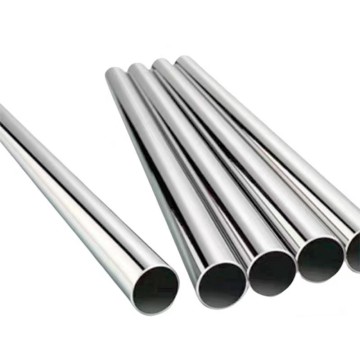
 Titanium Exhaust Tube for Custom Motorcycle Mid-Pipes
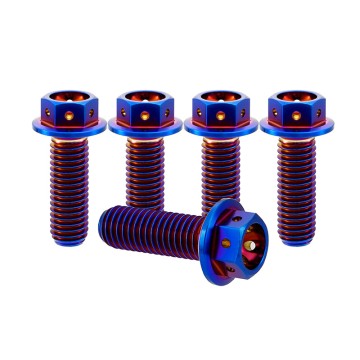 Race Spec Titanium Hex Flange Bolt for Motorcycle Racing
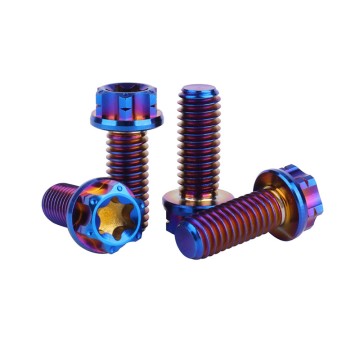 Grade 5 Titanium Dual Drive Race Spec Bolt
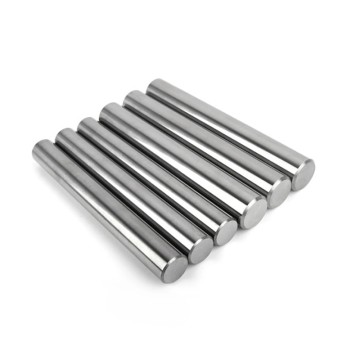 ASTM B348 Grade 2 Titanium Rod for Industrial Use
Weldable Titanium Pipe For High-Speed Rail Ventilation: Innovation, Industry Trends, and In-Depth Applications
Weldable titanium pipes offer an exemplary combination of strength, corrosion resistance, and lightweight properties, making them increasingly vital in modern engineering sectors. Particularly in the realm of high-speed rail ventilation systems, these pipes enable technologies that support safer, more efficient, and environmentally sound railway operations.
Industry Overview: Titanium Pipes in High-Speed Rail Ventilation
High-speed rail systems operate under demanding conditions requiring ventilation networks that maintain air quality, temperature control, and pressure stability within tunnels and carriages. Traditional ventilation ducts, often made from steel or aluminum, face challenges like corrosion and weight constraints. Here, weldable titanium pipes revolutionize design by combining durability with corrosion resistance — especially critical in humid and variable climates typical of rail tunnels.
Titanium’s excellent weldability allows manufacturers to fabricate complex pipe assemblies reliably, ensuring airtight seals crucial for ventilation efficiency. Furthermore, titanium’s natural resistance to oxidation at elevated temperatures enhances system lifetime and reduces maintenance downtime.
Development Trends & Market Dynamics
The high-speed rail industry’s recent expansion, particularly across Asia and Europe, drives increased demand for advanced materials like titanium pipes in ventilation infrastructure. Market research suggests the following trends shaping future adoption:
- Lightweight Design Focus: Reduced pipe weight helps lower overall train energy consumption and tunnel structural loading, supporting sustainability goals.
- Improved Weld Technologies: Advances like laser and electron beam welding refine joint integrity in titanium pipe systems, shortening production cycles while enhancing quality.
- Integration with Smart Systems: Embedding sensors and smart coatings onto titanium pipes enhances condition monitoring and predictive maintenance in ventilation networks.
- Customization and Modular Fabrication: Demand for bespoke pipe geometries drives modular, prefabricated titanium assemblies for accelerated on-site installation.
Deeper Application Scenarios of Weldable Titanium Pipes in High-Speed Rail
Tunnels often present moisture, chemical agents, and temperature fluctuations leading to corrosion risks for ventilation components. Titanium’s inert oxide film dramatically resists corrosion from humidity and airborne pollutants, extending pipe lifespan far beyond alternatives.
Using lightweight titanium pipes in ventilation ducting systems reduces the overall load on tunnel support structures and lowers energy consumption for air circulation fans. This aligns with drive toward greener, more energy-efficient transportation infrastructure development.
The adaptability of weldable titanium allows precision-fit pipe assemblies designed to navigate intricate tunnel geometries and ventilation routing, avoiding laborious field modifications and ensuring system integrity.
Titanium pipes can be outfitted with embedded sensors to continuously monitor airflow, pipe wall conditions, and temperature, enabling predictive maintenance and reducing unscheduled breakdowns in ventilation systems.
Commercial & Industrial Implications
Industrial suppliers and rail infrastructure contractors increasingly recognize the long-term value proposition offered by weldable titanium pipes. Although titanium material costs are higher upfront compared to conventional metals, notably steel or aluminum, their lifecycle cost benefits justify the investment:
- Extended Service Life: The corrosion and wear resistance reduce need for frequent replacements and repairs, significantly cutting maintenance expenditures.
- Operational Reliability: Minimized risk of ventilation duct failure means safer rail environments and reduced downtime risk.
- Regulatory Compliance: Titanium pipes help meet strict safety and environmental standards imposed on modern high-speed rail projects.
- Enhanced Brand Value: Utilizing cutting-edge materials like titanium reinforces customer and stakeholder confidence through demonstrable innovation and quality.
This combination of technical superiority and commercial viability positions weldable titanium pipes as a compelling choice for next-generation high-speed rail ventilation solutions.
Partnership & Quality Assurance
As a professional titanium product supplier focused on engineering excellence, we provide:
- Strict quality control in material sourcing and certificate compliance with ASTM, ISO, and other international standards.
- Flexible customization to meet specific project requirements and welding compatibilities.
- Responsive service tailored to engineering teams, innovators, and integrators worldwide.
- Global logistic capabilities ensuring timely and reliable delivery to project sites.
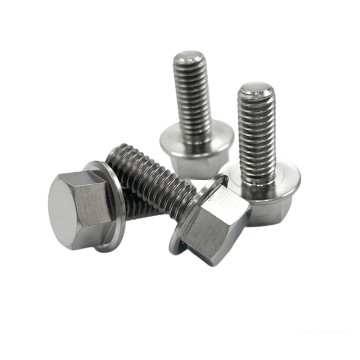 Gr5 Titanium Flanged Hex Head Bolts for Performance Vehicles & Industrial Use
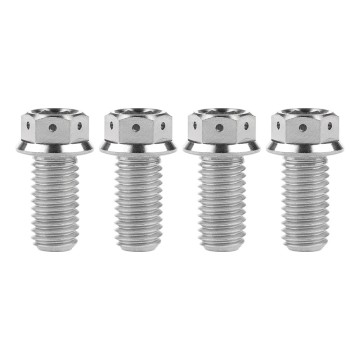 Dual-Drive Titanium Hex Flange Bolt for Motorcycles & Precision Use
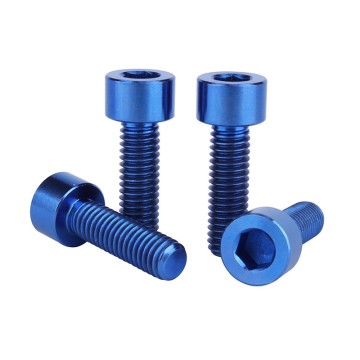 Grade 5 Titanium Socket Head Cap Bolts for Motorcycle and Automotive Applications
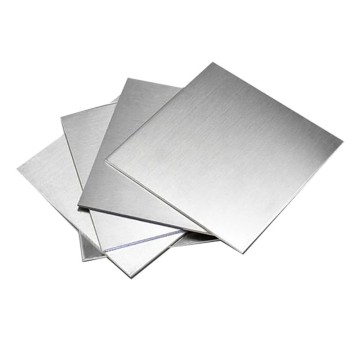 Grade 2 Titanium Sheet for CNC and Prototyping