Leave Your Message
-
Phone
-
E-mail
-
Whatsapp
-
Whatsapp

In endurance motorsport, track-day supercars, and high-performance racing superbikes, mechanical kinetic energy is violently converted into intense thermal energy. Brake friction surfaces routinely exceed 750°C (1382°F). Traditional steel and aluminum components fail to address the fundamental problem of brake fluid boil: when thermal conduction radiates uncontrollably from the brake pad backing plate through the caliper pistons and into the DOT 4 or racing 5.1 hydraulic fluid, vapor lock occurs, causing catastrophic pedal drop.
Titanium sheet stock—specifically cold-rolled and annealed Grade 5 (Ti-6Al-4V) and commercial purity Grade 2 in gauges ranging from 0.5mm to 3.0mm—serves as the preeminent thermodynamic barrier. Because titanium possesses a remarkably low thermal conductivity (approx. 6.7 W/m·K for Ti-6Al-4V, contrasted against ~205 W/m·K for aluminum and ~50 W/m·K for mild steel), laser-cut titanium sheet heat shims isolate the caliper pistons, keeping hydraulic reservoirs within safe operational thresholds.
Precision waterjet and CNC fiber-laser cutting of 0.8mm to 1.2mm Ti-6Al-4V sheet allows bespoke geometry matching any racing brake pad footprint. By nesting between the pad backing plate and titanium or ceramic pistons, these shields block up to 70% of radiant heat transfer, extending seal longevity and preventing micro-boiling in caliper fluid channels.
Intermediate gauge titanium sheet plates (2.5mm to 6.0mm) are precision stamped and wire-EDM cut to produce drive plates, spring clips, and anti-rattle tabs for two-piece floating disc assemblies. Titanium's exceptional fatigue limit and high yield strength prevent notch embrittlement under continuous cyclic torque spikes.
Directing forced ambient air onto the rotor eye requires ultralight ductwork that will not disintegrate when bombarded by high-velocity track debris, carbon dust, and rubber marbles. Formed 0.6mm Grade 2 titanium sheet resists cyclic vibration work-hardening while remaining impervious to corrosive brake dust deposits.
Every gram eliminated at the wheel hub directly increases suspension damping responsiveness and transient steering turn-in speed. Utilizing Grade 5 titanium sheet for custom retention plates and bracketry trims mass by ~45% compared to alloy steel, while delivering superior stiffness and zero risk of galvanic rot.
Unlike carbon steels that pit when subjected to glycol-based brake fluids and salt water spray, titanium spontaneously generates a tough, self-healing passive TiO₂ (titanium dioxide) oxide layer. This ensures that floating hardware remains free-sliding throughout severe endurance racing stints.
High-precision sheet stock with tight gauge tolerances (±0.02mm) enables predictable bend radii and zero directional delamination during press-brake forming, ensuring accurate production runs of anti-knockback springs and multi-point piston caps.
| Material Specification | Thermal Conductivity (W/m·K) | Density (g/cm³) | Tensile Yield Strength (MPa) | Max Continuous Temp (°C) |
|---|---|---|---|---|
| Grade 5 Titanium (Ti-6Al-4V Sheet) | 6.7 | 4.43 | 880 - 1100 | 450°C - 500°C |
| Grade 2 Titanium (Commercial Pure Sheet) | 16.4 | 4.51 | 345 - 450 | 350°C |
| Stainless Steel (AISI 304 / 316) | 16.2 | 8.00 | 290 | 800°C |
| Aircraft Aluminum (6061-T6) | 167.0 | 2.70 | 276 | 150°C |
| Structural Steel (4130 Chromoly) | 42.7 | 7.85 | 460 | 400°C |

As electric vehicles (EVs) continue their rapid commercial ascension, curb weights are surging due to dense lithium-ion battery enclosures. Heavy chassis platforms demand radically elevated braking energy capacities. However, modern aero-efficient EVs offer limited frontal airflow to brake corners, generating concentrated heat soak scenarios within wheel barrels.
Consequently, tier-1 brake tier suppliers and specialized performance aftermarket fabricators are turning heavily to ultra-thin Grade 5 titanium sheet stock. Utilizing automated parametric CAD-to-laser workflows, manufacturers cut complex vented shims that trap thermal radiation, ensuring that low rolling-resistance calipers operate safely without fluid degredation. Simultaneously, titanium's absolute non-magnetic character prevents interference with ABS hall-effect tone wheels and electronic pad wear sensors.
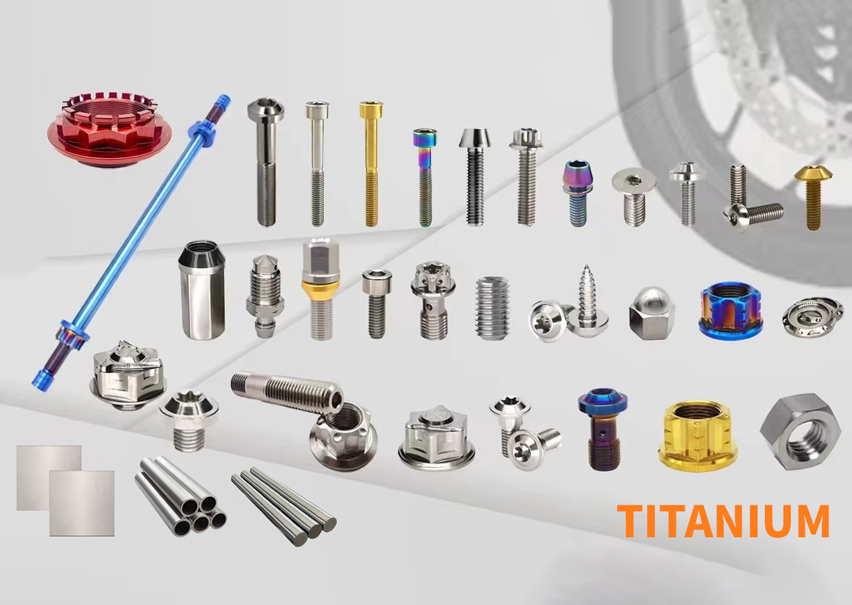
We connect you to high-quality titanium components through flexible and responsive service, empowering your projects with performance, durability, and innovation. We started with a simple principle: to resolve the complexities of global titanium product sourcing. We saw that engineers and innovators needed not just a supplier, but a partner who offers reliable materials and eliminates logistical hurdles. We believe that true success is built on trust and long-term collaboration. Every bolt, tube, rod and plate we deliver carries our commitment to your project's success and our mutual growth.
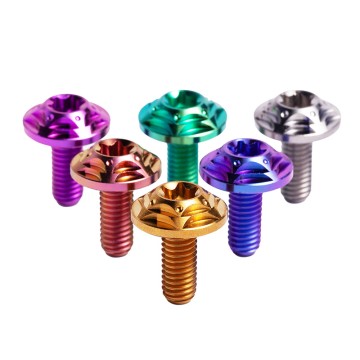
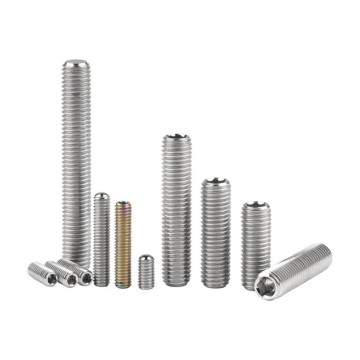
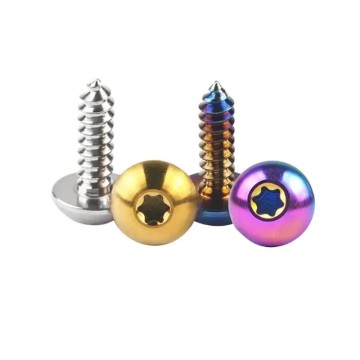
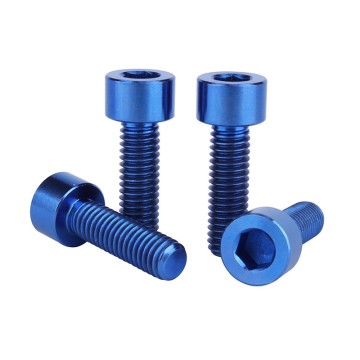
We specialize in titanium fasteners and components that meet the demands of industries worldwide. Our main product lines include:
Note: The above are our major product categories. Customized titanium parts are also available upon request.

We prioritize understanding our clients' needs, providing reliable materials, timely delivery, and flexible solutions.

We build transparent, long-term relationships based on honesty and shared success.

From material sourcing to final delivery, we uphold stringent quality control so you can specify with confidence.

We provide not just products, but practical guidance and innovative ideas to overcome technical hurdles.