Leave Your Message
-
Phone
-
E-mail
-
Whatsapp
-
Whatsapp

Explore our specialized titanium solutions designed to meet the rigorous structural and environmental demands of high-speed rail HVAC installations.
High-speed rail (HSR) technology represents one of the most significant advancements in modern transport infrastructure, bridging cities and nations with unparalleled speed, efficiency, and environmental benefits. As trains regularly exceed operational speeds of 300 to 350 km/h, they are subjected to extreme aerodynamic forces, rapid pressure fluctuations, and severe atmospheric conditions. Within this context, the design and performance of onboard systems—particularly heating, ventilation, and air conditioning (HVAC) systems—become paramount. These systems are not only responsible for maintaining passenger comfort by regulating temperature, humidity, and fresh air flow, but they also serve a critical safety function: cooling high-power traction converters, transformers, braking resistors, and battery packs.
Traditional materials like aluminum and stainless steel have historically formed the backbone of HSR component manufacturing. However, as next-generation trains push the boundaries of velocity and energy efficiency, these conventional metals are reaching their physical limits. High-speed rail ventilation systems are continuously exposed to turbulent airflows, moisture, airborne particulates, and temperature extremes. Under these demanding conditions, structural degradation, fatigue cracking, and corrosion can lead to costly maintenance cycles and operational downtime. To address these challenges, railway engineers and designers are increasingly turning to titanium sheet stock. Titanium's exceptional strength-to-weight ratio, unparalleled corrosion resistance, and high fatigue limit make it the premier material choice for the critical ventilation components of modern high-speed trains.
The selection of materials for high-speed rail ventilation ducting, grilles, and structural housings is guided by several demanding engineering criteria. Titanium sheet stock, particularly in Grade 2 (commercially pure) and Grade 5 (Ti-6Al-4V) alloys, satisfies these criteria in ways that no other material class can match.
One of the primary drivers in modern rolling stock design is weight reduction. Every kilogram removed from the train's structure directly translates to reduced energy consumption, lower track wear, and the ability to carry more payload or achieve higher speeds. Titanium has a density of approximately 4.5 g/cm³, which is roughly 60% of the density of steel, while offering comparable or superior tensile strength. By replacing heavy steel or thick-walled aluminum ventilation ducts with thin, high-strength titanium sheet stock, engineers can achieve weight savings of up to 40% on individual assemblies without sacrificing structural integrity.
High-speed trains traverse vast geographical regions, exposing them to highly corrosive environments. Coastal routes subject the train body to salt-laden air, while industrial areas present sulfurous and acidic atmospheric pollutants. Furthermore, the interior of ventilation ducts is prone to condensation due to temperature differentials between the air-conditioned cabin and the external environment. Titanium possesses an innate ability to instantaneously form a stable, continuous, and highly protective oxide film (TiO₂) upon exposure to oxygen. This passive layer provides near-absolute resistance to localized pitting, crevice corrosion, and galvanic corrosion, ensuring that ventilation channels remain clean, hygienic, and structurally sound for decades without the need for protective coatings or paint.
When a high-speed train enters a tunnel or passes another train, it experiences sudden, violent pressure waves (aerodynamic buffeting). These pressure pulses exert cyclic mechanical stress on the train's external grilles, intake ducts, and louvers. Standard materials like aluminum can suffer from fatigue failure under these repetitive loads, leading to micro-cracks and eventual structural collapse. Titanium sheet stock exhibits an exceptionally high fatigue limit and fracture toughness. It can withstand millions of pressure cycles without structural degradation, ensuring the continuous, safe operation of the ventilation system throughout the vehicle's lifespan.
Railway safety regulations impose strict standards on the fire, smoke, and toxicity (FST) performance of materials used in passenger cabins and technical compartments. Titanium is inherently non-combustible and maintains its mechanical properties at elevated temperatures far better than aluminum, which begins to lose strength at temperatures as low as 150°C. In the event of an electrical fire or external thermal event, titanium ventilation ducts act as effective fire barriers, preventing the spread of flames and toxic fumes through the air distribution network.
The application of titanium sheet stock in high-speed rail ventilation systems extends far beyond simple flat panels. The material is integrated into several critical subsystems, each requiring specific manufacturing processes and material grades.
Located on the exterior of the train, these components regulate the intake of fresh air and the exhaust of stale air. They are directly exposed to high-velocity airflow, rain, snow, and impact from airborne debris (ballast, insects). Titanium sheet stock is stamped and perforated to form aerodynamic louvers that resist deformation under high aerodynamic drag while preventing the ingress of moisture.
The internal ducting network distributes air throughout the passenger coaches and cooling air to the under-car machinery. Titanium sheets are rolled, bent, and welded using advanced TIG or laser welding techniques to form lightweight, airtight ducts. The smooth surface finish of titanium minimizes air friction losses, reducing the power required by the ventilation fans and improving overall system efficiency.
The high velocity of air moving through ventilation ducts generates significant noise, which can compromise passenger comfort. To mitigate this, engineers design double-walled duct sections with micro-perforated titanium sheets. These sheets, combined with acoustic insulation materials, trap sound waves and reduce cabin noise levels. Titanium’s high modulus of elasticity ensures that these thin, perforated sheets do not vibrate or generate secondary noise.
HVAC systems rely on heat exchangers to regulate cabin temperature. The enclosures housing these heat exchangers are subject to constant humidity and thermal cycling. Titanium sheet stock provides a rigid, corrosion-proof housing that protects the delicate fins and tubes of the heat exchanger from external damage and environmental degradation.
Historically, the use of titanium was largely confined to aerospace, defense, and chemical processing due to its high cost and complex manufacturing requirements. Today, however, the commercial landscape is shifting. The global railway industry is undergoing a paradigm shift towards sustainability and lifecycle optimization.
While the initial material cost of titanium sheet stock is higher than that of aluminum or stainless steel, a comprehensive Lifecycle Cost Analysis (LCCA) reveals that titanium is highly cost-effective. High-speed rail systems are designed for operational lifespans of 30 to 40 years. During this period, steel and aluminum components require regular inspection, anti-corrosion treatments, and occasional replacement due to wear and fatigue. Titanium components, by contrast, require virtually zero maintenance and last the entire lifetime of the train. The elimination of maintenance downtime and replacement costs far outweighs the initial premium paid for the material.
The supply of high-grade titanium has stabilized, with manufacturing hubs like Baoji in China (often referred to as "Titanium Valley") providing reliable, high-volume production of titanium sheets, rods, and fasteners. This industrial concentration has led to improved production efficiencies, making titanium more accessible to commercial sectors like high-speed rail. Standardized quality control certifications, such as ISO 9001 and AS9100, ensure that the titanium sheet stock supplied to railway manufacturers meets the rigorous safety and performance standards required for public transit infrastructure.
As the world moves towards carbon neutrality, the transportation sector is under pressure to minimize its ecological footprint. Next-generation high-speed trains are targeting even higher speeds (up to 400 km/h and beyond) and stricter energy targets. Future rail HVAC systems will incorporate smart sensors and variable-flow dampers to optimize air quality based on passenger load. Titanium sheets will be integrated with smart materials and thin-film heating elements to create active, self-deicing ventilation intakes that prevent ice build-up during winter operations in sub-zero climates.
Looking beyond conventional high-speed rail, magnetic levitation (Maglev) trains and Hyperloop systems represent the future of ultra-high-speed ground transport. Operating in partial vacuums or at extremely high velocities, these systems demand materials that can withstand near-space conditions. Titanium sheet stock, with its low outgassing properties, high strength, and thermal stability, is poised to play a pivotal role in the construction of ventilation and environmental control systems for these futuristic transit networks.

Professional Titanium Product Supplier for Engineers, Innovators, and Businesses Worldwide.
We connect you to high-quality titanium components through flexible and responsive service, empowering your projects with performance, durability, and innovation. Whether you are developing advanced aerospace assemblies, high-speed rail ventilation systems, or custom precision machinery, our comprehensive sourcing capabilities ensure that you receive materials manufactured to the highest international standards.
We started with a simple principle: to resolve the complexities of global titanium product sourcing. We saw that engineers and innovators needed not just a supplier, but a partner who offers reliable materials and eliminates logistical hurdles.
We believe that true success is built on trust and long-term collaboration. Every bolt, tube, rod and plate we deliver carries our commitment to your project's success and our mutual growth. Over the years, we have expanded our capabilities to supply critical industries worldwide, continually striving to lower the barriers of acquiring premium titanium materials.

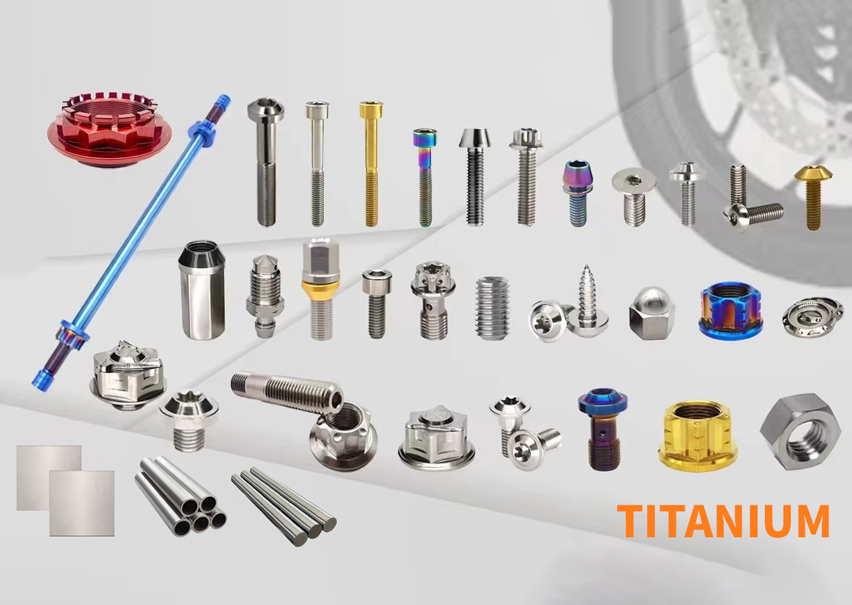
We specialize in titanium fasteners and components that meet the demands of industries worldwide. Our main product lines include:
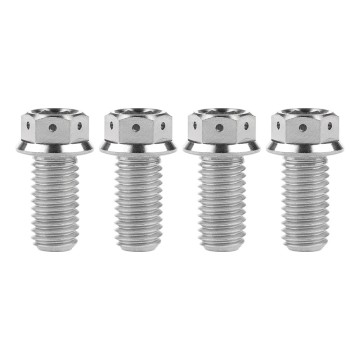
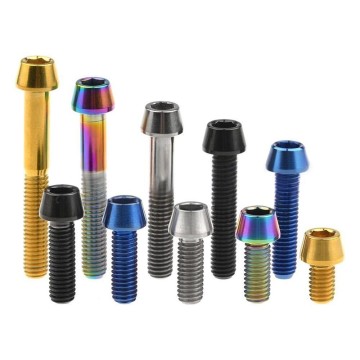
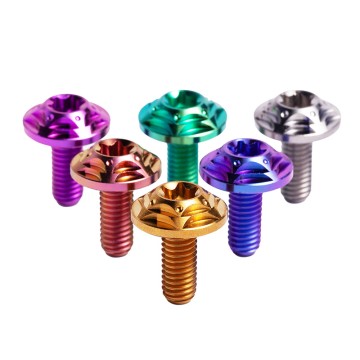
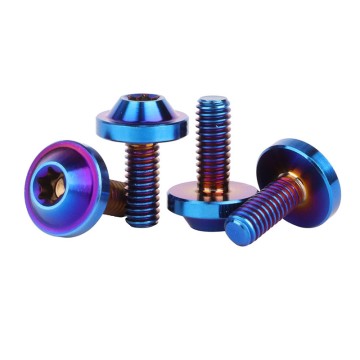
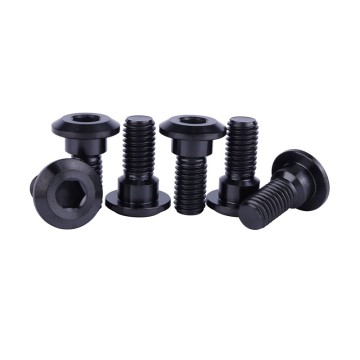
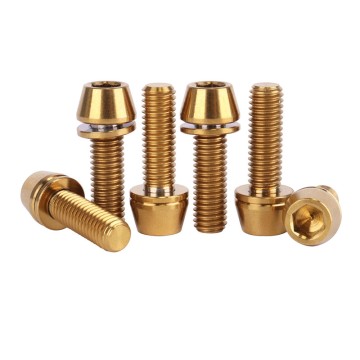
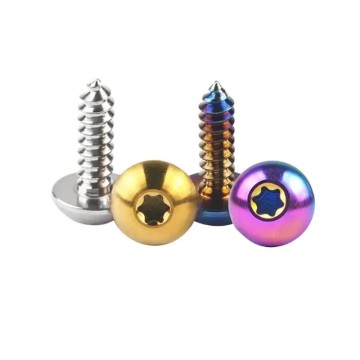
Titanium Fasteners: Bolts, nuts, and washers, commonly in M5–M30 sizes, available in Grades 2, 5, and 7. Widely used in automotive, motorcycles, marine, and industrial equipment.
Titanium Tubes & Fittings: Durable and corrosion-resistant, suitable for piping, marine, and chemical applications.
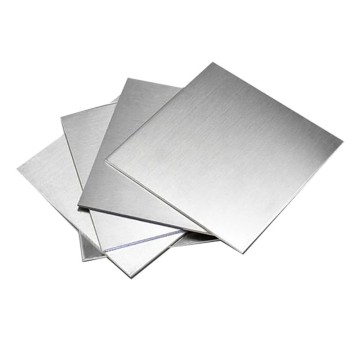
Titanium Rods & Plates: Machined to custom specifications, supporting engineering projects and precision parts.
Note: The above are our major product categories. Customized titanium parts are also available upon request.
To be the trusted partner for engineers, innovators, and businesses worldwide, delivering high-quality titanium components with flexible support and practical guidance.

We prioritize understanding our clients’ needs, providing reliable materials, timely delivery, and flexible solutions.

We build transparent, long-term relationships based on honesty and shared success.

From material sourcing to final delivery, we uphold stringent quality control so you can specify with confidence.

We provide not just products, but practical guidance and innovative ideas to overcome technical hurdles.
Leveraging China's premier titanium manufacturing ecosystem to deliver world-class products and logistics.


Explore our full range of standard and custom titanium fasteners, components, and sheet stock engineered for demanding industrial operations.