
Leave Your Message
-
Phone
-
E-mail
-
Whatsapp
-
Whatsapp

Precision-engineered titanium fasteners designed to handle extreme braking forces, thermal cycling, and corrosive environments — the upgrade every performance build demands.
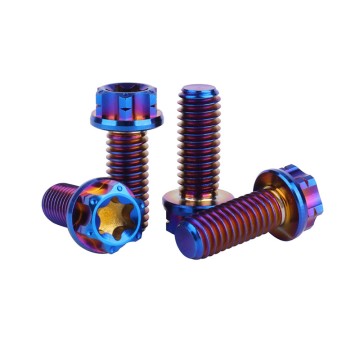
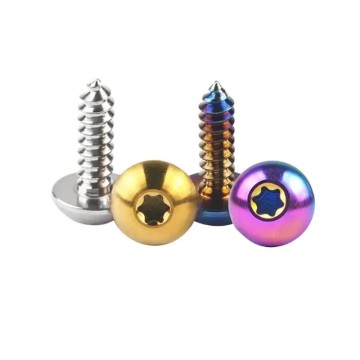
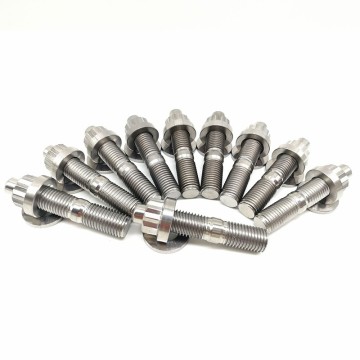
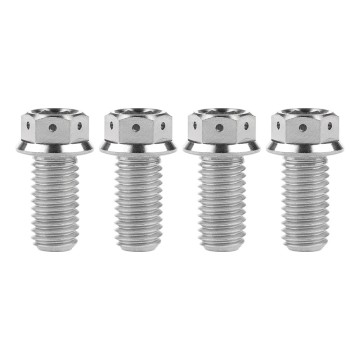
A Titanium Mod Bolt — short for "modification bolt" — is a direct-replacement fastener manufactured from aerospace-grade titanium alloy (most commonly Grade 5, Ti-6Al-4V) to replace standard steel or stainless steel hardware in performance and safety-critical assemblies. In the context of performance brake systems, these bolts secure brake calipers, rotors, master cylinders, brake lines, and caliper brackets — components that endure some of the most extreme mechanical and thermal stresses in any vehicle or machine.
Braking is arguably the most safety-critical function in motorsport and high-performance automotive engineering. Every time a driver applies the brakes at speed, the fasteners holding the caliper and rotor assembly together must resist enormous shear forces, thermal expansion cycles, and vibration. Standard steel bolts can corrode, gall, seize, or add unnecessary rotational mass — all of which degrade braking precision and increase maintenance burden. Titanium mod bolts eliminate these compromises.
Key Insight: Grade 5 titanium (Ti-6Al-4V) offers a tensile strength exceeding 900 MPa while being approximately 40% lighter than equivalent steel fasteners. In brake system applications, this weight reduction directly contributes to lower unsprung mass — a critical factor in suspension response, braking feel, and overall lap-time performance.
The decision to specify titanium mod bolts for performance brake systems is not merely aesthetic — it is driven by a compelling set of material properties that directly translate into measurable performance and safety gains. Understanding these properties helps engineers, builders, and enthusiasts make informed decisions.
Titanium Grade 5 maintains its mechanical properties up to approximately 600°C — critical in brake environments where rotor and caliper temperatures can exceed 400°C under sustained heavy braking. Steel bolts can lose significant strength at these temperatures, while titanium retains structural integrity.
With a density of just 4.43 g/cm³ compared to steel's 7.85 g/cm³, titanium delivers the same or greater clamping force at dramatically reduced mass. Every gram saved on unsprung, rotating components improves braking response and handling dynamics.
Titanium forms a self-healing passive oxide layer that resists salt, brake fluid, moisture, and road chemicals. Unlike steel fasteners that corrode and seize in caliper bores, titanium mod bolts remain easily removable even after years of service — reducing maintenance time and cost.
Titanium's low elastic modulus and excellent fatigue resistance mean brake caliper bolts maintain consistent clamping force through thousands of thermal cycles and vibration events — preventing the bolt relaxation that can cause brake fade or caliper movement.
In specialized motorsport and industrial applications — particularly those involving proximity to sensors or flammable environments — titanium's non-magnetic and non-sparking characteristics provide an additional layer of operational safety.
Titanium can be anodized to produce vivid, durable colors without paint or coatings — allowing brake caliper bolts to be color-matched to team liveries or brand aesthetics while maintaining full mechanical performance.
The global market for titanium fasteners in performance brake applications has experienced robust growth over the past decade, driven by converging trends in motorsport engineering, high-performance street vehicles, electric vehicle (EV) development, aerospace ground support equipment, and industrial heavy machinery. According to industry analysts, the titanium fastener market is projected to grow at a compound annual growth rate (CAGR) of over 6% through 2030, with automotive and motorsport segments representing the fastest-growing application areas.
From a commercial perspective, the adoption of titanium mod bolts in brake systems has moved decisively beyond the exclusive domain of Formula 1 and professional motorsport teams. Today, a thriving ecosystem of aftermarket suppliers, performance tuning shops, OEM Tier-1 suppliers, and direct-to-consumer brands serves a global customer base that ranges from weekend track-day enthusiasts to professional racing constructors and industrial equipment manufacturers.
Market Signal: The premium performance fastener segment — encompassing titanium, Inconel, and advanced alloy hardware — is increasingly being specified at the OEM level for high-performance production vehicles, not just as an aftermarket modification. Manufacturers such as Porsche, Ferrari, Lamborghini, and Ducati have integrated titanium fasteners into their factory brake and powertrain specifications, signaling a shift from niche to mainstream adoption.
The industrial sector presents equally compelling opportunities. Heavy commercial vehicles, railway braking systems, offshore oil and gas equipment, and aerospace ground support machinery all operate in environments where brake fastener corrosion, weight, and reliability directly impact operational costs and safety records. Titanium mod bolts in these contexts deliver total cost of ownership (TCO) advantages that justify their premium price point through extended service intervals, reduced maintenance labor, and elimination of corrosion-related failures.
China's Baoji region — widely recognized as the global center of titanium production — plays a pivotal role in supplying the raw material and finished fastener components that underpin this market. Suppliers operating from Baoji benefit from proximity to primary titanium sponge and mill product sources, enabling competitive pricing without compromising on the Grade 5 alloy specifications demanded by performance brake applications worldwide.
From circuit racing to industrial machinery, titanium mod bolts for brake systems deliver measurable advantages across a diverse range of demanding environments.
In Formula racing, GT endurance events, and time-attack competition, titanium caliper bolts are standard specification. The weight savings reduce unsprung mass and rotational inertia, while thermal stability ensures consistent clamping force through long braking zones such as Monza's chicanes or Le Mans' Mulsanne corner. Teams report measurable improvements in brake pedal feel consistency across full race stints.
In MotoGP, Superbike, and high-performance street motorcycle builds, the brake caliper, rotor carrier, and master cylinder mounting points are prime targets for titanium mod bolt upgrades. The combination of weight reduction (critical on two-wheelers where every gram is felt), corrosion resistance in wet road conditions, and the ability to withstand aggressive brake fluid chemistry makes titanium the definitive choice for serious motorcycle brake builds.
EV brake systems present unique challenges: regenerative braking reduces mechanical brake usage, but when mechanical brakes engage — particularly in emergency or high-speed scenarios — they must perform flawlessly. Titanium mod bolts resist the accelerated corrosion that can occur in underused brake assemblies, and their non-magnetic properties are compatible with the electromagnetic environments of EV powertrains. As EV performance models proliferate, titanium brake hardware is becoming a key specification for thermal and weight management.
Aircraft wheel brake assemblies and ground support equipment operate in environments combining extreme temperatures, corrosive de-icing chemicals, and stringent weight budgets. Titanium fasteners are already widely used in airframe construction, and their application in ground brake systems provides the same benefits: weight savings that translate directly into payload capacity, and corrosion resistance that reduces scheduled maintenance intervals in harsh airport environments.
Industrial disc brakes on mining equipment, wind turbine yaw systems, crane hoists, and railway rolling stock operate continuously in corrosive, high-vibration environments. Titanium mod bolts in these applications prevent the corrosion-induced bolt seizure that is a primary cause of unplanned downtime. The extended service life of titanium fasteners in such environments delivers significant TCO reductions, with some operators reporting maintenance interval extensions of 3–5× compared to stainless steel alternatives.
Marine vessels — from high-performance powerboats to offshore supply vessels — rely on hydraulic and mechanical brake systems for winches, anchor windlasses, and propulsion systems. The combination of saltwater exposure, humidity, and mechanical loading makes titanium the only fastener material that delivers both the corrosion immunity and mechanical strength required without the weight penalty of Inconel or the corrosion vulnerability of steel.
The titanium mod bolt market for brake systems is being shaped by several powerful technological and commercial trends that will define the next decade of fastener engineering.
Advanced 3D printing technologies — particularly selective laser melting (SLM) and electron beam melting (EBM) — are enabling the production of complex titanium fastener geometries that were previously impossible to machine. For brake systems, this means custom-profiled caliper bolts with integrated load distribution features, reduced thread stress concentrations, and optimized head geometries for specific caliper architectures.
The boundary between aftermarket modification and OEM specification is rapidly dissolving. Tier-1 automotive suppliers are increasingly adopting titanium fasteners at the design stage for performance and luxury vehicle platforms. This shift is driving standardization of titanium brake bolt specifications and creating larger, more stable procurement volumes that benefit the entire supply chain.
As electric and hybrid vehicles proliferate, the unique demands of their brake systems — including reduced mechanical brake usage, increased corrosion risk from infrequent activation, and strict weight targets — are creating new specification requirements for brake fasteners. Titanium's combination of corrosion immunity and weight efficiency positions it as the fastener material of choice for next-generation EV brake architectures.
Emerging surface treatment technologies — including physical vapor deposition (PVD) coatings, titanium nitride (TiN) surface hardening, and plasma electrolytic oxidation (PEO) — are further enhancing the performance of titanium brake fasteners. These treatments improve surface hardness, reduce galling risk during installation, and provide additional corrosion protection in the most aggressive environments.
The rise of digital manufacturing platforms and direct-to-engineer sourcing models is transforming how titanium mod bolts are specified and procured. Engineers can now access custom thread forms, non-standard head geometries, and bespoke alloy specifications through streamlined online ordering processes — reducing lead times from months to weeks and enabling rapid prototyping of performance brake system hardware.
As sustainability becomes a core procurement criterion, titanium's exceptional longevity is increasingly valued. A titanium brake caliper bolt that lasts the lifetime of a vehicle — versus steel hardware requiring replacement every 2–3 years — represents a significant reduction in material consumption and maintenance-related carbon footprint. Life cycle assessment (LCA) studies are beginning to quantify these benefits, strengthening the business case for titanium specification.
We connect you to high-quality titanium components through flexible and responsive service, empowering your projects with performance, durability, and innovation. As a specialist titanium fastener supplier rooted in China's premier titanium production hub — Baoji — we bring together deep material expertise, rigorous quality standards, and genuine partnership to every client engagement.
We started with a simple principle: to resolve the complexities of global titanium product sourcing. We saw that engineers and innovators needed not just a supplier, but a partner who offers reliable materials and eliminates logistical hurdles. We believe that true success is built on trust and long-term collaboration. Every bolt, tube, rod and plate we deliver carries our commitment to your project's success and our mutual growth.

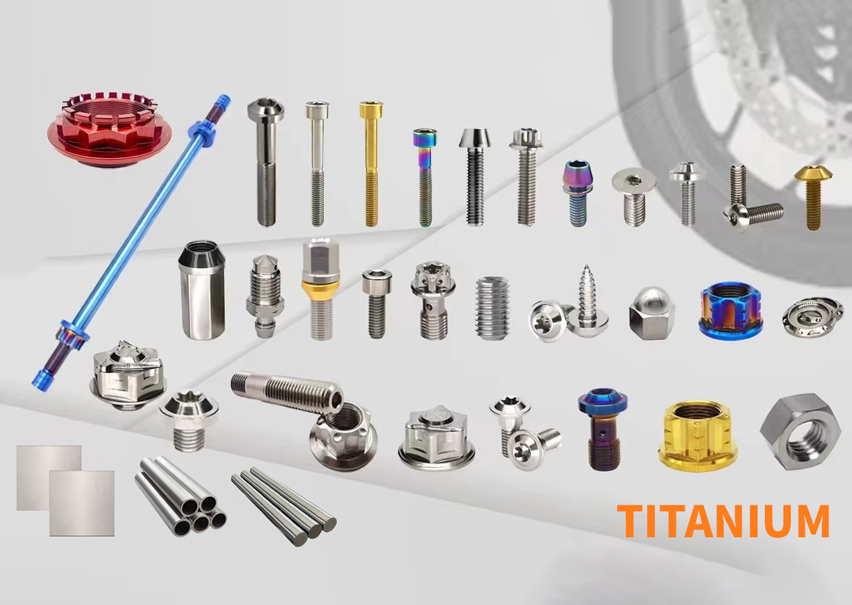
We specialize in titanium fasteners and components that meet the demands of industries worldwide. Our main product lines include:
Vision: To be the trusted partner for engineers, innovators, and businesses worldwide, delivering high-quality titanium components with flexible support and practical guidance. We understand that successful projects rely not only on materials but also on trust, support, and reliability.

We prioritize understanding our clients' needs, providing reliable materials, timely delivery, and flexible solutions.

We build transparent, long-term relationships based on honesty and shared success.

From material sourcing to final delivery, we uphold stringent quality control so you can specify with confidence.

We provide not just products, but practical guidance and innovative ideas to overcome technical hurdles.
Five compelling reasons why engineers and businesses worldwide trust us for their titanium brake fastener requirements.


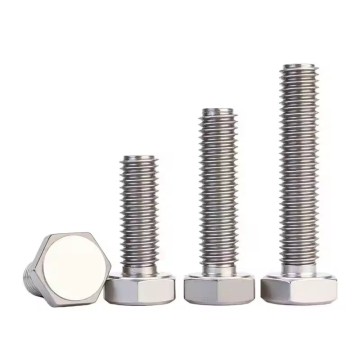
From race-spec dual-drive bolts to precision hex socket set screws — our full range of Grade 5 titanium fasteners covers every performance brake and high-demand application.
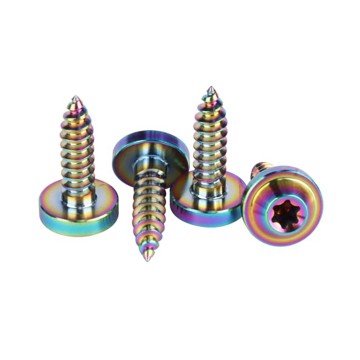
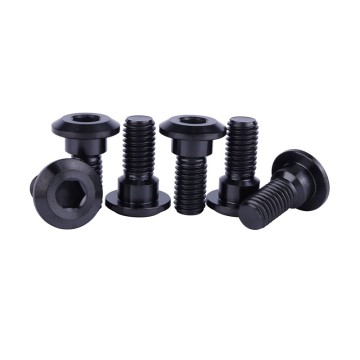
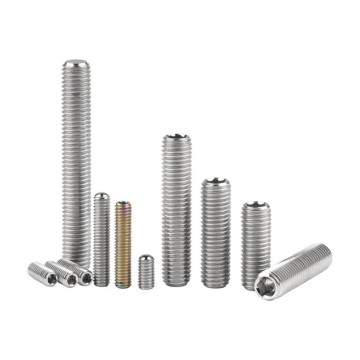
Whether you're building a race car, tuning a performance motorcycle, or engineering an industrial braking solution — our Grade 5 titanium mod bolts deliver the performance, reliability, and weight savings your project demands. Contact our team for specifications, custom orders, and competitive pricing.
Explore All Titanium Products →