Leave Your Message
-
Phone
-
E-mail
-
Whatsapp
-
Whatsapp

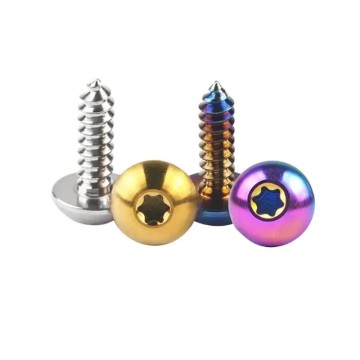
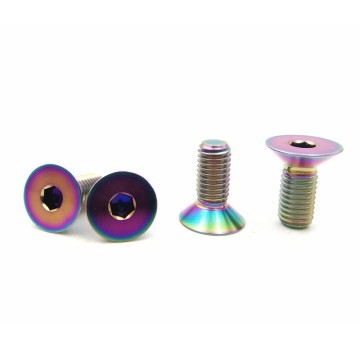
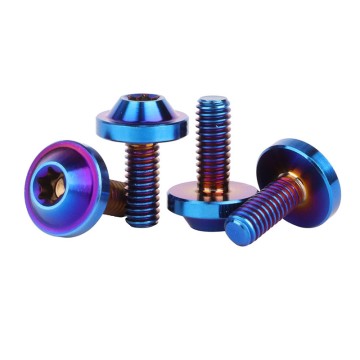
High-speed rail (HSR) networks represent the pinnacle of modern civil engineering and transit technology. Operating at speeds often exceeding 300 km/h, these trains are subjected to extreme aerodynamic forces, continuous vibration, and rapid environmental transitions. Within this context, the ventilation and HVAC (Heating, Ventilation, and Air Conditioning) systems are critical not only for passenger comfort but also for maintaining safe pressure differentials inside the cabins. To secure these complex systems, engineers are increasingly turning to advanced materials, specifically Titanium Decorative Screws.
Why titanium? Historically, stainless steel or aluminum fasteners were the default choice. However, the aggressive weight-reduction targets of modern train manufacturers, coupled with the need for materials that can withstand localized galvanic corrosion, have made titanium the premium material of choice. A titanium decorative screw does not simply hold components together; it serves a dual purpose. It provides the high-tensile structural integrity required to secure ventilation grilles, intake ducts, and diffuser panels, while offering an aesthetically refined, high-tech finish that aligns with the luxury and futuristic design language of modern train interiors.
The global market for high-speed rail fasteners is undergoing a significant transformation. As governments invest in green infrastructure, rail networks are expanding across Europe, Asia, and North America. This expansion is accompanied by stricter regulatory standards regarding energy efficiency, carbon emissions, and safety. Fasteners account for a small percentage of a train's physical volume but represent a critical factor in safety and maintenance cycles. Standard steel fasteners require frequent inspection, anti-rust coatings, and replacement due to fatigue. Titanium fasteners, although requiring a higher initial investment, dramatically reduce the Total Cost of Ownership (TCO) by eliminating corrosion-related maintenance and reducing overall train weight, which directly translates to energy savings.
From a commercial perspective, manufacturers who supply titanium screws to the rail industry must adhere to rigorous aerospace-grade quality standards. The production process involves precision CNC machining, thread rolling, and specialized surface treatments like anodizing to achieve specific colors and enhanced wear resistance. The demand is no longer just for functional bolts; it is for highly engineered components that contribute to the overall acoustic damping, aerodynamic efficiency, and visual appeal of the passenger cabins.

Professional Titanium Product Supplier for Engineers, Innovators, and Businesses Worldwide.
We connect you to high-quality titanium components through flexible and responsive service, empowering your projects with performance, durability, and innovation. Whether you are developing advanced aerospace structures, marine installations, or high-speed rail ventilation systems, our engineering-centric approach ensures you receive the exact specifications required for your application.
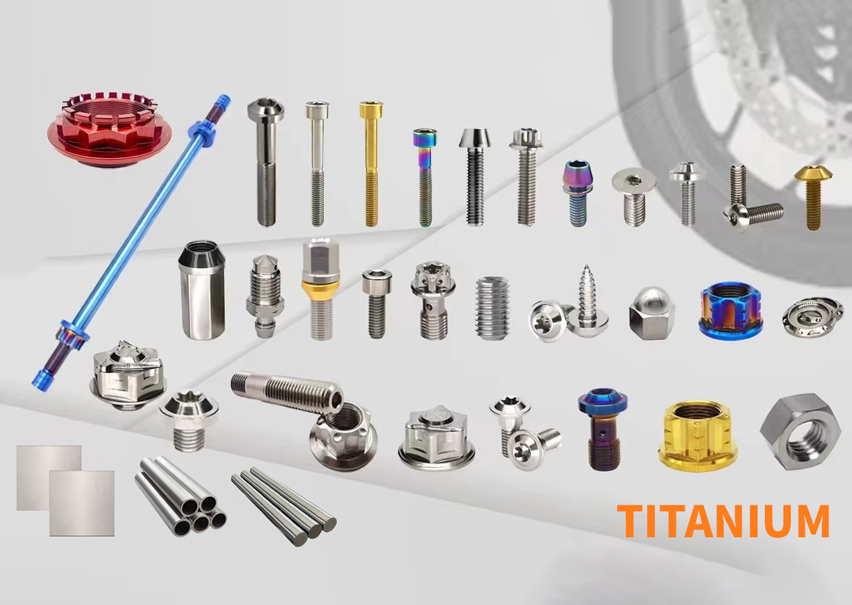
Ventilation systems in high-speed trains are highly complex, consisting of air intakes, mixing chambers, distribution ducts, and passenger cabin outlets. Each of these zones presents unique environmental challenges that justify the use of titanium decorative screws:
Inside the passenger car, aesthetics are paramount. Air diffusers are located along the ceiling and walls, directly within the passengers' line of sight. Standard industrial screws can look out of place and detract from the clean, modern look of the cabin. Titanium decorative screws, particularly those with Torx button heads or countersunk profiles, offer a sleek, low-profile appearance. They can be anodized in various metallic shades to match the interior color schemes. Furthermore, because titanium is non-magnetic, it does not interfere with the sensitive electronic systems and Wi-Fi antennas embedded within the cabin ceilings.
The ventilation ducts responsible for cooling the traction motors and electrical systems are located under the train chassis. This area is constantly exposed to harsh elements: gravel impacts, water spray, road salt during winter, and extreme temperature fluctuations from the motors. Standard fasteners quickly succumb to stress corrosion cracking under these conditions. Grade 5 Titanium (Ti-6Al-4V) screws offer a tensile strength comparable to high-strength steel but with absolute immunity to atmospheric rust and chloride-induced corrosion, ensuring the cooling grilles remain securely attached throughout the train's operational lifespan.
High-speed trains generate substantial noise and vibration. The HVAC ductwork is lined with acoustic insulation and vibration-damping panels to ensure a quiet cabin environment. Fasteners in these sections are subjected to continuous high-frequency vibrations that can cause standard screws to back out or shear. Titanium's excellent fatigue strength and high elasticity modulus allow it to absorb vibration energy without weakening. The use of titanium flange bolts ensures a wider distribution of clamping force, preventing damage to fragile acoustic panels.

We started with a simple principle: to resolve the complexities of global titanium product sourcing. We saw that engineers and innovators needed not just a supplier, but a partner who offers reliable materials and eliminates logistical hurdles.
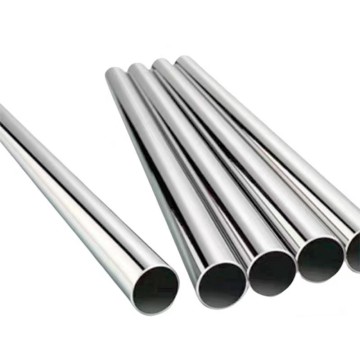
We believe that true success is built on trust and long-term collaboration. Every bolt, tube, rod and plate we deliver carries our commitment to your project's success and our mutual growth. From our humble beginnings, we have expanded to support critical infrastructure projects, including advanced transit systems and aerospace components, ensuring quality at every step.
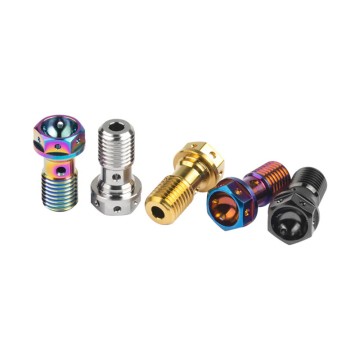
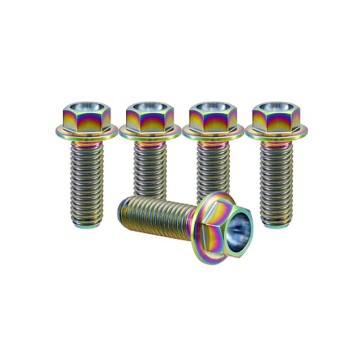
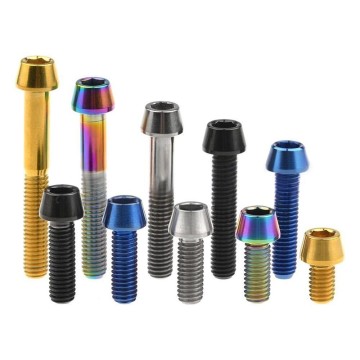
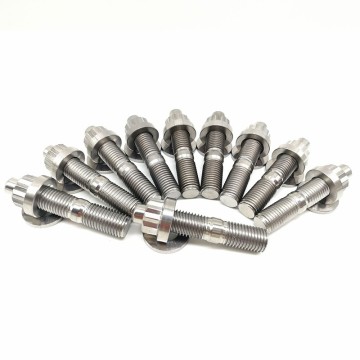
We specialize in titanium fasteners and components that meet the demands of industries worldwide. Our main product lines include:
Note: The above are our major product categories. Customized titanium parts, specifically tailored for high-speed rail ventilation and aerodynamic applications, are also available upon request.
To be the trusted partner for engineers, innovators, and businesses worldwide, delivering high-quality titanium components with flexible support and practical guidance.

We prioritize understanding our clients’ needs, providing reliable materials, timely delivery, and flexible solutions.

We build transparent, long-term relationships based on honesty and shared success.

From material sourcing to final delivery, we uphold stringent quality control so you can specify with confidence.

We provide not just products, but practical guidance and innovative ideas to overcome technical hurdles.
To meet the strict safety margins of high-speed rail ventilation, the manufacturing of titanium decorative screws involves state-of-the-art processes. Titanium is notoriously difficult to machine due to its high strength, low thermal conductivity, and tendency to gall during cutting operations. At our facilities, we utilize advanced CNC machining centers and precision thread-rolling machines to ensure that every screw meets exact dimensional tolerances.
Thread rolling, rather than cutting, is critical for structural fasteners. This process cold-works the metal, compressing the grain structure of the titanium alloy and significantly increasing the fatigue strength of the threads. For ventilation systems that must withstand decades of continuous vibration, rolled threads are non-negotiable. Furthermore, our decorative screws undergo specialized mechanical polishing followed by anodization. This electrochemical process grows a controlled oxide layer on the surface of the titanium, providing both a vibrant, durable color finish and an extra layer of protection against wear and chemical exposure.
Looking ahead, the integration of smart technologies into railway infrastructure is driving the development of "smart fasteners." These are titanium screws equipped with embedded micro-sensors capable of monitoring clamping force, temperature, and vibration in real-time. If a ventilation grille screw begins to loosen due to extreme operating conditions, the sensor transmits a wireless signal to the train's central diagnostic system, prompting maintenance before a failure occurs.
Additionally, research into new titanium-matrix composites (TMCs) promises even higher strength-to-weight ratios, allowing for even smaller and lighter fasteners. As train speeds push past 400 km/h in next-generation maglev and ultra-high-speed projects, the demand for titanium's unique properties will only grow, cementing its place as the backbone of modern transit engineering.