Leave Your Message
-
Phone
-
E-mail
-
Whatsapp
-
Whatsapp

Precision-engineered titanium fasteners trusted by motorsport engineers and OEM brake system manufacturers worldwide.
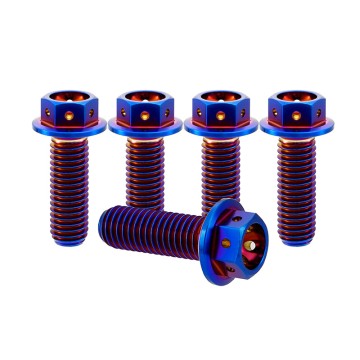
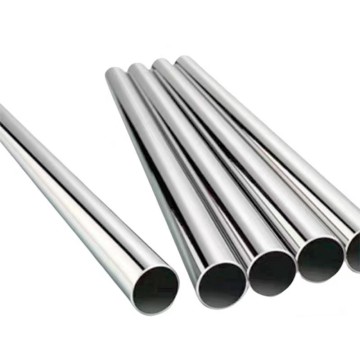
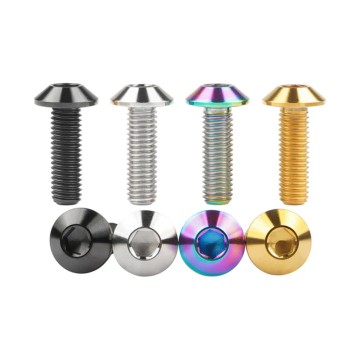
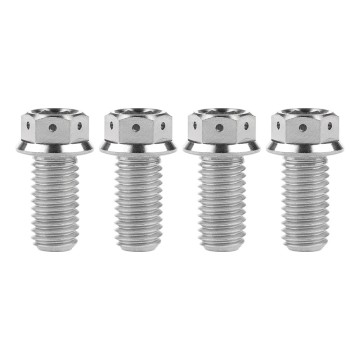
In the high-stakes world of performance braking, every gram and every newton-meter matters. Titanium cap screws — specifically Grade 5 Ti-6Al-4V alloy fasteners — have emerged as the gold standard for engineers and racing teams demanding the ultimate combination of lightweight performance, structural integrity, and long-term reliability under extreme thermal and mechanical loads. From MotoGP paddocks to GT3 endurance racing, from aerospace brake assemblies to premium OEM automotive platforms, titanium cap screws are no longer a luxury upgrade — they are an engineering necessity.
The global titanium fastener market is experiencing accelerated growth, driven by the expanding electric vehicle sector, the resurgence of motorsport investment, and tightening regulations around unsprung mass and thermal management in braking systems. Understanding the technical depth, commercial landscape, and application-specific requirements of titanium cap screws in brake systems is essential for engineers, procurement specialists, and performance aftermarket businesses alike.
Grade 5 Ti-6Al-4V delivers measurable performance gains across every critical braking parameter.
Titanium's density of 4.51 g/cm³ compared to steel's 7.85 g/cm³ delivers a dramatic reduction in unsprung weight. In brake caliper and rotor hat assemblies, this directly translates to faster wheel response, reduced rotational inertia, and improved suspension kinematics — measurable in lap time gains on circuit.
Brake systems routinely exceed 600°C under hard racing conditions. Titanium maintains its tensile strength and fatigue resistance at elevated temperatures far more effectively than aluminum or standard steel fasteners. Ti-6Al-4V retains over 80% of its room-temperature strength at 300°C, critical for caliper mounting bolts exposed to repeated thermal cycling.
Brake systems are exposed to moisture, road salts, brake fluid, and aggressive cleaning chemicals. Titanium's naturally forming TiO₂ oxide layer provides outstanding resistance to galvanic corrosion, even when mated with aluminum calipers or carbon composite brake discs — eliminating seized fasteners and thread damage during service intervals.
Grade 5 titanium achieves a minimum tensile strength of 895 MPa with a yield strength of 828 MPa — comparable to high-strength steel — at less than 60% of the weight. This enables engineers to specify smaller fastener diameters without sacrificing clamping force, enabling more compact caliper designs and reduced thermal mass in brake assemblies.
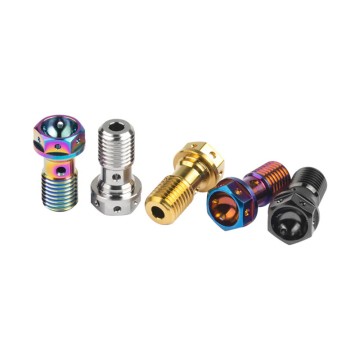
Titanium's lower modulus of elasticity (approximately 114 GPa vs. 200 GPa for steel) provides inherent vibration-damping characteristics, reducing the risk of fastener loosening under the intense vibration profiles generated by high-performance braking events. This is particularly critical for brake line banjo bolts and caliper bridge bolts.
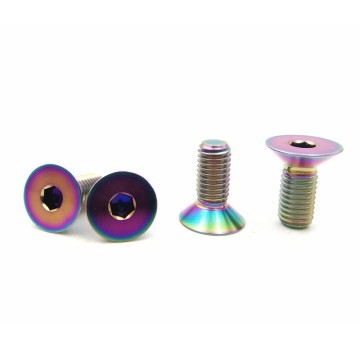
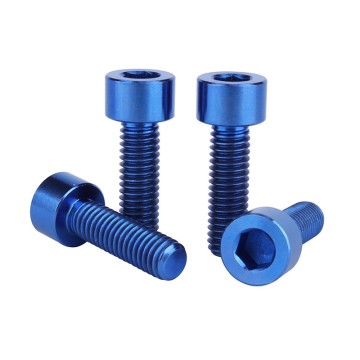
Beyond pure engineering metrics, titanium cap screws deliver a premium visual signature increasingly demanded by high-end aftermarket and OEM customers. The natural silver-grey finish, or anodized color options, positions titanium fasteners as a visible quality indicator in performance brake kits, contributing measurable commercial value to premium brake system brands.
In performance brake system engineering, fastener failure is not an option. Grade 5 titanium (Ti-6Al-4V) is the aerospace and motorsport industry's benchmark alloy — certified to AMS 4928, ASTM B265, and ISO 5832-3 standards. Its combination of high fatigue strength, biocompatibility, and corrosion immunity makes it the definitive choice for brake caliper bolts, rotor hat screws, brake line banjo bolts, and master cylinder mounting hardware in safety-critical applications from Formula racing to commercial aviation ground braking systems.
The titanium fastener market for brake systems is expanding across multiple high-value sectors globally.
The global market for titanium fasteners in performance brake systems is no longer confined to elite motorsport. A structural shift is underway across three major commercial vectors: the premium automotive aftermarket, which is experiencing double-digit annual growth as enthusiast consumers demand OEM-quality upgrades; the electric vehicle sector, where regenerative braking systems and reduced mechanical brake usage paradoxically increase the demand for premium fasteners due to extended service intervals and higher caliper temperatures from occasional hard stops; and the industrial and aerospace braking sector, where titanium's corrosion resistance and weight savings are mandated by operational specifications.
From a procurement perspective, sourcing titanium cap screws from established suppliers with direct access to China's Baoji titanium production hub — the world's largest titanium processing region — provides significant cost advantages without compromising material traceability or certification compliance. The consolidation of titanium supply chains post-pandemic has reinforced the strategic value of partnering with vertically integrated suppliers capable of providing material certifications, custom thread specifications, and batch consistency across M5 to M20 size ranges commonly required in brake system applications.
From circuit racing to industrial machinery, titanium cap screws serve critical roles across diverse braking applications.
In open-wheel and GT racing, titanium socket head cap screws secure brake calipers to upright carriers under extreme combined loads of braking force (up to 5G deceleration), thermal cycling, and high-frequency vibration. The weight saving per corner — typically 20–40g per caliper mounting set — contributes directly to reduced unsprung mass, improving tire contact patch consistency and mechanical grip. Teams in FIA Formula 3, Formula 4, and GT3 categories have standardized on Grade 5 titanium cap screws for all brake-related fastening points.
Motorcycle brake systems operate in an even more weight-sensitive environment than four-wheel applications. Titanium cap screws are used extensively for brake disc mounting bolts, caliper bridge screws, brake lever pivot bolts, and master cylinder mounting hardware. The combination of weight reduction and corrosion resistance is particularly valued in endurance and adventure motorcycle applications where extended service intervals and exposure to mud, water, and temperature extremes are routine operational conditions.
Electric vehicles present a unique brake fastener challenge. Regenerative braking reduces mechanical brake usage, but when mechanical brakes engage — typically at low speeds or in emergency stops — they must deliver full braking performance immediately. This creates high thermal shock events in caliper and rotor assemblies. Titanium cap screws' superior fatigue resistance under thermal cycling, combined with their non-magnetic properties (critical for proximity sensor compatibility in EV brake-by-wire systems), make them the preferred fastener specification for premium EV brake system engineers.
Commercial and military aircraft wheel brake assemblies represent one of the most demanding fastener environments on earth — combining extreme temperatures (carbon brake discs can reach 1000°C+), massive clamping loads, and stringent weight budgets. Titanium cap screws certified to aerospace standards (AMS, ASTM, MIL-SPEC) are specified throughout aircraft brake actuator assemblies, brake housing mounting, and anti-skid system brackets, where their corrosion resistance eliminates the risk of fastener seizure during long maintenance intervals.
High-speed rail brake systems — including disc brake caliper assemblies on Shinkansen, TGV, and ICE platforms — require fasteners that maintain consistent clamping force across thousands of thermal cycles over multi-year service periods. Titanium's resistance to stress relaxation at elevated temperatures, combined with its corrosion immunity in salt-spray environments (coastal rail routes), makes titanium cap screws a technically superior and increasingly cost-competitive alternative to Inconel and high-alloy steel fasteners in rail braking applications.
Wind turbine yaw and pitch braking systems, industrial press braking assemblies, and crane braking mechanisms all benefit from titanium cap screws' combination of corrosion resistance and fatigue strength. In offshore wind installations, where salt-spray corrosion is a primary maintenance cost driver, titanium fasteners in brake caliper assemblies can extend service intervals by 300–500% compared to stainless steel alternatives, delivering compelling total-cost-of-ownership advantages despite higher initial fastener costs.
Five structural trends are accelerating the transition from conventional to titanium fasteners in performance braking.
Global emissions regulations (Euro 7, CAFE standards, China NEV mandates) are driving OEM engineers to pursue weight reduction at every component level. Brake system fasteners, while individually small, aggregate to meaningful weight savings across a complete vehicle. The shift to titanium cap screws in brake assemblies is increasingly appearing in OEM supplier specifications for premium and performance vehicle platforms, with Tier 1 brake suppliers mandating titanium fastener options in their catalog offerings.
The unique thermal profiles of electric vehicle brake systems — characterized by infrequent but intense thermal events — create fastener fatigue patterns that accelerate failure in conventional steel fasteners. EV brake system engineers are increasingly specifying titanium cap screws as a standard material to address warranty and reliability concerns, particularly in the performance EV segment where brake system specifications are a key differentiator.
The global performance brake aftermarket — valued at over $8 billion annually — is experiencing a strong premiumization trend. Consumers investing in big brake kits, track-day upgrades, and motorcycle performance parts increasingly specify titanium hardware as a visible quality and performance statement. This has driven major brake system brands including Brembo, AP Racing, and StopTech to offer titanium fastener options across their product lines, creating a downstream demand pull for precision titanium cap screw supply.
The maturation of China's titanium manufacturing sector — centered in Baoji, Shaanxi Province — has dramatically reduced the cost premium of Grade 5 titanium fasteners relative to high-performance steel alternatives. Improved CNC machining capabilities, tighter material traceability systems, and ISO 9001 / AS9100 certification adoption among Chinese titanium suppliers have made high-quality titanium cap screws accessible to mid-tier brake system manufacturers and aftermarket brands that previously could not justify the cost differential.
The increasing availability of custom-specification titanium cap screws — including safety wire hole drilling (critical for motorsport caliper bolts), custom thread forms, specialized head geometries, and application-specific surface treatments such as PVD coating for enhanced galling resistance — is enabling brake system engineers to specify titanium fasteners optimized for their precise application requirements rather than adapting standard catalog items. This trend toward application-engineered titanium fasteners is expected to accelerate as digital manufacturing and small-batch CNC production costs continue to decline.
Professional Titanium Product Supplier for Engineers, Innovators, and Businesses Worldwide.

We connect you to high-quality titanium components through flexible and responsive service, empowering your projects with performance, durability, and innovation.
We started with a simple principle: to resolve the complexities of global titanium product sourcing. We saw that engineers and innovators needed not just a supplier, but a partner who offers reliable materials and eliminates logistical hurdles.
We believe that true success is built on trust and long-term collaboration. Every bolt, tube, rod and plate we deliver carries our commitment to your project's success and our mutual growth.
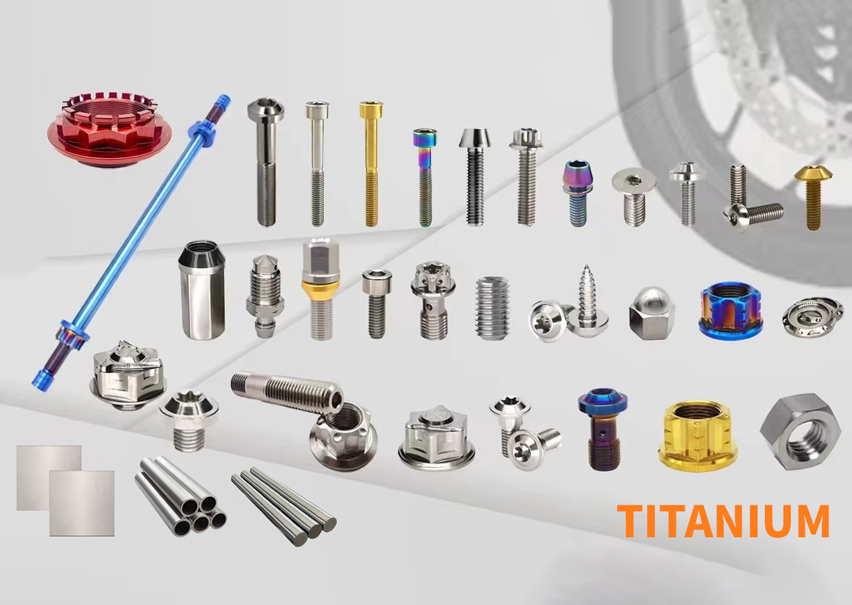
We specialize in titanium fasteners and components that meet the demands of industries worldwide. Our main product lines include:
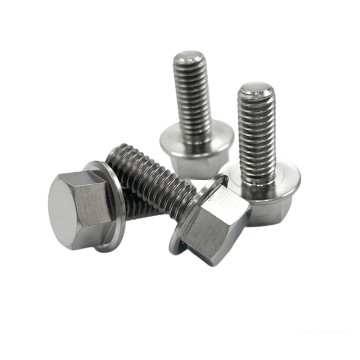
Titanium Fasteners: Bolts, nuts, and washers, commonly in M5–M30 sizes, available in Grades 2, 5, and 7. Widely used in automotive, motorcycles, marine, and industrial equipment.
Titanium Tubes & Fittings: Durable and corrosion-resistant, suitable for piping, marine, and chemical applications.
Titanium Rods & Plates: Machined to custom specifications, supporting engineering projects and precision parts.
Note: The above are our major product categories. Customized titanium parts are also available upon request.
Vision: To be the trusted partner for engineers, innovators, and businesses worldwide, delivering high-quality titanium components with flexible support and practical guidance. We understand that successful projects rely not only on materials but also on trust, support, and reliability.

We prioritize understanding our clients' needs, providing reliable materials, timely delivery, and flexible solutions.

We build transparent, long-term relationships based on honesty and shared success.

From material sourcing to final delivery, we uphold stringent quality control so you can specify with confidence.

We provide not just products, but practical guidance and innovative ideas to overcome technical hurdles.
Five pillars of competitive advantage that make V Star Titanium the preferred supplier for brake system engineers worldwide.


Explore our full range of precision titanium bolts and fasteners engineered for brake caliper, rotor, and hydraulic line applications.