
Leave Your Message
-
Phone
-
E-mail
-
Whatsapp
-
Whatsapp

Engineered for extreme aerodynamic pressure and rapid thermal fluctuations in modern railway infrastructure.
The evolution of high-speed rail (HSR) networks globally has pushed the boundaries of metallurgical engineering. As trains exceed commercial speeds of 350 km/h and push towards 400 km/h, the aerodynamic forces, pressure differentials, and micro-climatic challenges acting upon the train's exterior and interior systems increase exponentially. At the heart of passenger comfort and mechanical safety is the High-Speed Rail Ventilation System. Traditionally manufactured from aluminum alloys or stainless steel, these systems are now undergoing a material revolution. The integration of the Pure Titanium Plate into high-speed rail ventilation represents a paradigm shift in how railway engineers approach weight reduction, corrosion resistance, and structural longevity.
Pure titanium, specifically commercially pure (CP) grades like Grade 1 and Grade 2, offers an unparalleled strength-to-weight ratio. In the context of a high-speed train, every kilogram saved translates to reduced energy consumption, lower track wear, and increased payload capacity. When applied to the intricate ductwork, exterior intake grilles, and exhaust manifolds of a ventilation system, pure titanium plates ensure that the structural integrity of the HVAC system remains uncompromised even under the severe vibrational stress generated by high-speed transit. Furthermore, the inherent acoustic dampening properties of titanium help in mitigating the roaring aerodynamic noise that typically infiltrates the cabin through ventilation shafts, thereby significantly enhancing the acoustic comfort of passengers.
Beyond structural mechanics, the thermodynamic properties of pure titanium plates are highly beneficial. High-speed trains traverse diverse geographical landscapes—from sub-zero mountainous regions to highly humid coastal areas—often within a single journey. This rapid environmental transition causes severe condensation within the ventilation ducts. Aluminum and steel are highly susceptible to galvanic corrosion and pitting under these conditions. Pure titanium, however, instantly forms a stable, continuous, and highly adherent protective oxide film (TiO2) upon exposure to oxygen or moisture. This self-healing oxide layer renders the titanium plates virtually immune to the corrosive effects of condensation, atmospheric pollutants, and even the saline-rich air of coastal railways, ensuring a maintenance-free lifespan that matches the operational life of the train itself.
The commercial landscape for pure titanium plates in the railway sector is experiencing unprecedented growth. According to recent industrial analyses, the global high-speed rail market is expanding at a robust Compound Annual Growth Rate (CAGR), driven heavily by massive infrastructure investments in Asia, Europe, and emerging networks in North America. Consequently, the demand for advanced aerospace-grade materials in railway construction has surged. Titanium, once reserved almost exclusively for aerospace, medical implants, and military applications, is now becoming a standardized material specification for premium high-speed rail components. This transition is largely due to the optimization of titanium extraction and refining processes, which has gradually lowered the cost barrier, making it a viable option for large-scale industrial transit projects.
The industrial realization of pure titanium plates for high-speed rail requires a highly sophisticated supply chain. The manufacturing process begins with titanium sponge, which is melted in vacuum arc remelting (VAR) furnaces to ensure absolute purity and the elimination of microscopic inclusions that could cause fatigue failure. The ingots are then hot-rolled and cold-rolled into precise plates. For ventilation systems, these plates must be manufactured to exacting tolerances, often requiring thicknesses as thin as 0.5mm to 2mm, yet maintaining perfect flatness and uniform mechanical properties.
Regions like Baoji, China—often referred to as the "Titanium Valley"—have become global epicenters for this specialized manufacturing. The concentration of technological expertise, advanced CNC machining facilities, and rigorous quality control protocols in such hubs ensures that the titanium plates meet the stringent international railway standards, such as EN 15085 (welding of railway vehicles) and ISO 9001. The ability to reliably source high-quality pure titanium plates from established industrial hubs is critical for global train manufacturers like CRRC, Siemens, and Alstom to maintain their production schedules and safety certifications.
While the initial procurement cost of pure titanium plates is higher than that of traditional aluminum or steel, the Total Cost of Ownership (TCO) presents a compelling commercial argument. High-speed rail operators calculate costs over a 30 to 40-year lifecycle. The utilization of titanium in ventilation systems eliminates the need for periodic anti-corrosion coatings, drastically reduces maintenance downtime, and prevents premature part replacement. When factored into the energy savings derived from weight reduction, the Return on Investment (ROI) for utilizing pure titanium plates becomes highly positive, driving its widespread adoption in next-generation train sets.
One of the most extreme physical challenges for a high-speed train occurs when it enters a tunnel. At speeds exceeding 300 km/h, the train acts like a piston, compressing the air ahead of it and creating massive aerodynamic pressure waves (micro-pressure waves). The exterior ventilation intakes and exhaust grilles bear the brunt of these sudden pressure spikes. If these components flex or deform, it can disrupt the airflow, damage the HVAC fans, and cause uncomfortable pressure pops in the passenger cabin. Pure titanium plates possess a high yield strength and excellent fatigue resistance. When fabricated into ventilation louvers and duct reinforcements, titanium maintains absolute structural rigidity against these violent pressure differentials, ensuring a smooth, uninterrupted flow of conditioned air and protecting the delicate internal mechanisms of the HVAC unit.
The internal ventilation network of a high-speed train is a complex labyrinth of ducts that distribute heated or cooled air throughout the carriages. Because the train operates across varying climatic zones, the temperature differential between the exterior environment and the interior conditioned air leads to continuous condensation on the duct walls. Over time, standing moisture mixed with airborne dust and microbes creates a highly corrosive environment. Traditional galvanized steel ducts eventually rust, compromising air quality and structural safety. By utilizing Grade 2 pure titanium plates for these critical duct sections, engineers completely eradicate the risk of corrosion. The titanium surface is naturally antimicrobial and resists the buildup of biofilms, ensuring that the air delivered to passengers remains clean, odorless, and free from metallic particulates.
Modern high-speed rail ventilation is no longer passive; it utilizes active flow control systems equipped with sensors and automated dampers to adjust air intake based on train speed and passenger load. The moving parts of these dampers require materials that are lightweight to ensure rapid actuation by low-power servo motors, yet strong enough to withstand continuous mechanical cycling. Pure titanium plates are precision-cut using laser or waterjet technology to create these dynamic damper blades. The low mass of the titanium blades reduces the inertial load on the motors, resulting in faster response times and significantly extending the lifespan of the electronic actuation systems.
As the railway industry looks toward the future, the integration of Artificial Intelligence (AI) in manufacturing and the development of ultra-high-speed transit systems will further elevate the importance of pure titanium plates. AI-driven predictive modeling is now being used to design highly complex, biomimetic ventilation structures that optimize airflow and reduce drag. These intricate designs, often featuring honeycomb or lattice structures, are incredibly difficult to manufacture using traditional materials. However, the excellent formability and weldability of pure titanium plates make them the ideal substrate for these next-generation aerodynamic designs.
Furthermore, the advent of Magnetic Levitation (Maglev) trains and proposed Hyperloop systems—designed to operate at speeds of 600 km/h to over 1000 km/h—will completely redefine material requirements. In these near-vacuum or extreme-velocity environments, the friction-induced heat and aerodynamic stress on ventilation and life-support systems will be immense. Pure titanium plates, with their high melting point, exceptional thermal stability, and immunity to high-velocity particle abrasion, are positioned to be the foundational material for the atmospheric control systems of these futuristic transport modes. The ongoing research into titanium-matrix composites and 3D-printed titanium ventilation nodes suggests that the synergy between titanium metallurgy and high-speed transit is only in its infancy, promising a future of safer, faster, and more sustainable global travel.

Professional Titanium Product Supplier for Engineers, Innovators, and Businesses Worldwide.
We started with a simple principle: to resolve the complexities of global titanium product sourcing. We saw that engineers and innovators needed not just a supplier, but a partner who offers reliable materials and eliminates logistical hurdles.
We believe that true success is built on trust and long-term collaboration. Every bolt, tube, rod and plate we deliver carries our commitment to your project's success and our mutual growth.

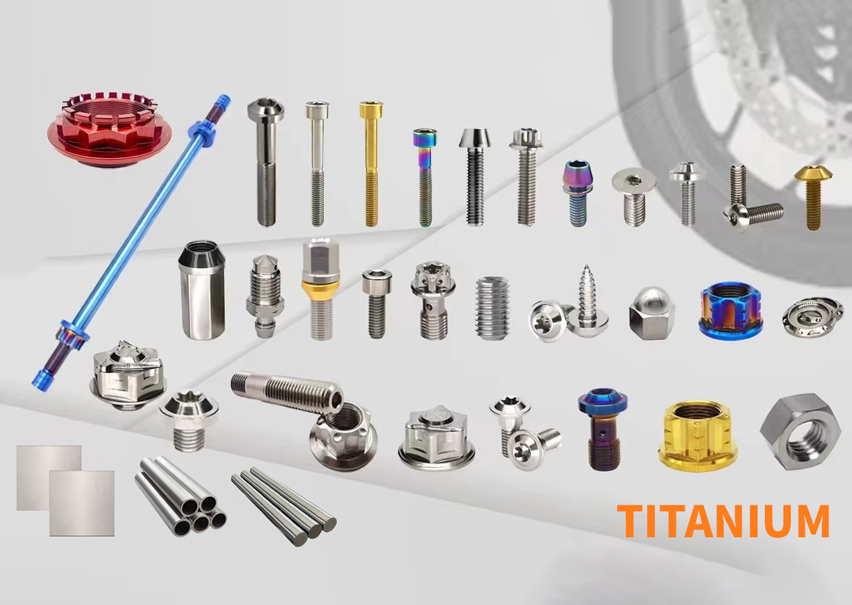
We specialize in titanium fasteners and components that meet the demands of industries worldwide. Our main product lines include:
Titanium Fasteners : Bolts, nuts, and washers, commonly in M5–M30 sizes, available in Grades 2, 5, and 7. Widely used in automotive, motorcycles, marine, and industrial equipment.
Titanium Tubes & Fittings : Durable and corrosion-resistant, suitable for piping, marine, and chemical applications.
Titanium Rods & Plates : Machined to custom specifications, supporting engineering projects and precision parts.
Note: The above are our major product categories. Customized titanium parts are also available upon request.
Vision: To be the trusted partner for engineers, innovators, and businesses worldwide, delivering high-quality titanium components with flexible support and practical guidance.
We understand that successful projects rely not only on materials but also on trust, support, and reliability. Trusted by engineers and innovators worldwide, we aim to empower every client with high-performance titanium solutions.

We prioritize understanding our clients’ needs, providing reliable materials, timely delivery, and flexible solutions.

We build transparent, long-term relationships based on honesty and shared success.

From material sourcing to final delivery, we uphold stringent quality control so you can specify with confidence.

We provide not just products, but practical guidance and innovative ideas to overcome technical hurdles.


Explore our full range of precision-engineered titanium products designed for advanced railway ventilation and structural applications.
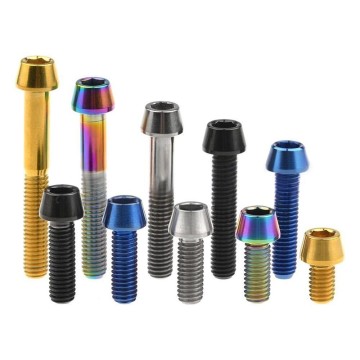 Grade 5 Titanium Tapered Bolt for Rail Ventilation Grilles
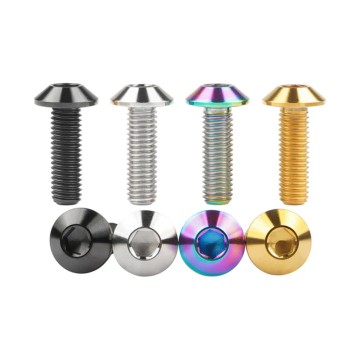 Titanium Dome Head Bolt for Aerodynamic Train Exteriors
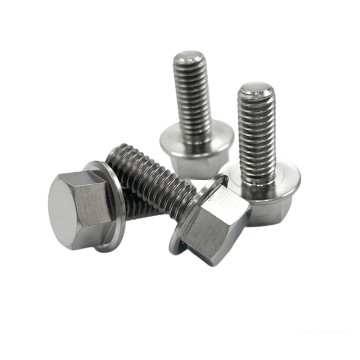 Gr5 Titanium Flanged Bolts for High-Speed HVAC Systems
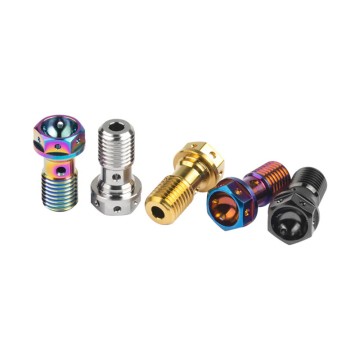 Titanium Banjo Bolt for Rail Pneumatic Control Valves
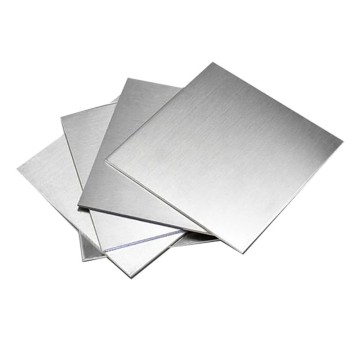 Grade 2 Pure Titanium Plate for Rail Ventilation Ducts
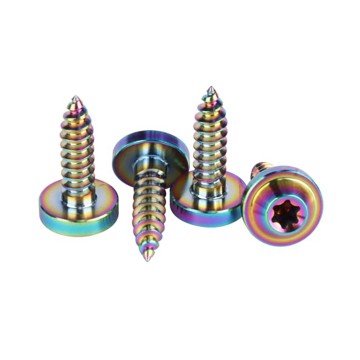 Titanium UFO Head Torx for Train Interior Panels
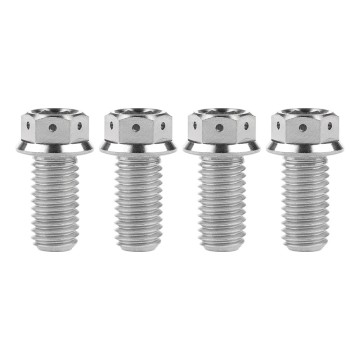 Dual-Drive Hex Bolt for High-Vibration Rail Engines
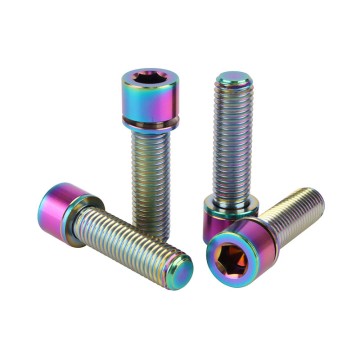 Titanium Socket Cap Bolt for High-Speed Rail Exhausts