Leave Your Message
-
Phone
-
E-mail
-
Whatsapp
-
Whatsapp

Our precision-engineered titanium products are trusted by rail engineers worldwide. Explore our leading solutions for ventilation and structural applications in high-speed rail systems.
As high-speed rail networks continue to expand globally — from Europe's intercity corridors to Asia's bullet train systems — the engineering demands placed on every component have reached unprecedented levels. Among the most critical yet often overlooked systems is the ventilation infrastructure inside high-speed trains and tunnels. Pure titanium pipe has emerged as the material of choice for forward-thinking rail engineers, offering a combination of properties that no other metal can match at the same weight and performance envelope.
High-speed rail ventilation systems must operate reliably under extreme conditions: rapid pressure fluctuations as trains enter and exit tunnels, temperature swings from sub-zero winter environments to heated interiors, constant vibration at speeds exceeding 300 km/h, and exposure to humidity, condensation, and trace chemicals. Traditional materials such as stainless steel and aluminium alloys have served adequately in slower rail systems, but the demands of modern high-speed rail have exposed their limitations.
🔍 Key Insight: Pure titanium pipe (Grade 1 & Grade 2) delivers a tensile strength-to-weight ratio approximately 2× superior to stainless steel, while offering near-perfect corrosion resistance — making it the definitive engineering choice for high-speed rail ventilation ducting, HVAC piping, and pressurized air systems.
The global high-speed rail market was valued at over USD 80 billion in 2023 and is projected to surpass USD 130 billion by 2030. Within this growth, lightweight and durable materials are receiving intense investment. Rail manufacturers in China, Japan, Germany, France, and South Korea are actively specifying titanium pipe assemblies for new-generation rolling stock, particularly in HVAC and ventilation circuits where weight reduction directly translates to energy savings and increased passenger capacity.
Understanding why pure titanium outperforms conventional materials in high-speed rail ventilation environments.
Titanium's density of 4.51 g/cm³ is roughly 57% that of steel, enabling dramatic weight savings in long ventilation pipe runs without compromising structural integrity or flow performance.
Pure titanium forms a stable, self-healing TiO₂ oxide layer that resists chloride attack, condensation moisture, and chemical exposure — critical in tunnel ventilation environments where humidity and pollutants are prevalent.
High-speed rail generates continuous vibration. Titanium pipe demonstrates exceptional fatigue resistance, maintaining structural integrity over millions of load cycles — far exceeding aluminium alloys.
Operating reliably from -50°C to over 300°C, pure titanium pipe handles the thermal extremes encountered in high-speed rail ventilation systems across diverse global climates.
Titanium is non-magnetic, making it ideal for installation near sensitive electronic systems and traction control equipment found throughout modern high-speed rail carriages.
In passenger cabin air circulation systems, titanium's biocompatible surface inhibits microbial adhesion, supporting cleaner air quality standards and reducing maintenance cleaning cycles.
The adoption of pure titanium pipe in high-speed rail ventilation is no longer experimental — it is becoming a mainstream engineering specification. Major rail vehicle manufacturers including CRRC Corporation (China), Alstom (France), Siemens Mobility (Germany), and Hitachi Rail (Japan) have incorporated titanium components into their flagship high-speed platforms. The material is now routinely specified in:
The cabin ventilation and air conditioning systems of high-speed trains require extensive networks of ducting running the length of each carriage. Pure titanium pipe in Grade 1 and Grade 2 (commercially pure titanium) offers the optimal balance of formability, weldability, and corrosion resistance for these applications. A typical 200-metre trainset can contain over 800 metres of ventilation ducting — replacing steel with titanium saves hundreds of kilograms per train, directly improving energy efficiency and reducing track wear.
High-speed rail tunnels require powerful forced-air ventilation systems to manage pressure waves, heat dissipation, and emergency smoke extraction. Titanium pipe is increasingly specified for the primary distribution manifolds and cross-passage ventilation risers in new tunnel construction, particularly in coastal or high-humidity environments where stainless steel requires frequent inspection and replacement.
Modern high-speed trains operating through long tunnels maintain pressurized cabins to protect passengers from sudden pressure changes. The pressurized air supply lines — connecting compressors to distribution manifolds — are subject to cyclic pressure loading and must be both lightweight and fatigue-resistant. Titanium pipe meets both requirements decisively.
The convergence of lightweighting mandates, sustainability targets, and advancing manufacturing technologies is accelerating titanium adoption across the global rail industry.
The European Green Deal and China's dual-carbon policy are pushing rail operators to reduce the lifecycle energy consumption of rolling stock. Every kilogram removed from a high-speed train reduces energy consumption by approximately 0.3–0.5 kWh per 100 km. Rail procurement agencies are now explicitly requiring lightweight material justification in new vehicle tenders, creating a structural tailwind for titanium pipe adoption in ventilation and ancillary systems.
Advances in cold pilgering, rotary piercing, and precision extrusion technologies have significantly reduced the production cost of seamless pure titanium pipe. Manufacturers in Baoji, China — the world's largest titanium production hub — can now supply seamless titanium tubes in OD ranges from 6mm to 200mm with wall tolerances of ±0.1mm, meeting the precision requirements of rail HVAC system designers.
Emerging ultra-high-speed transportation concepts — including hyperloop systems and next-generation maglev trains targeting speeds above 600 km/h — place even more extreme demands on ventilation and pressurization systems. Pure titanium pipe is already being evaluated in prototype hyperloop tube segments for its combination of low weight, pressure vessel suitability, and long-term corrosion immunity.
Rail certification bodies (EN 15085, IRIS, GB/T standards) increasingly require full material traceability from mill certificate to installed component. Modern titanium pipe suppliers are integrating digital traceability systems — QR-coded heat numbers, digital mill test reports, and blockchain-verified certificates — to meet the rigorous documentation demands of rail procurement.
Rail engineers are increasingly adopting modular ventilation architectures where pre-fabricated titanium pipe assemblies — complete with fittings, flanges, and insulation — are installed as plug-and-play units during carriage assembly. This approach reduces on-site fabrication time, improves quality consistency, and enables faster maintenance replacement, all of which favor titanium's excellent weldability and dimensional stability.
Beyond the primary ventilation duct, pure titanium pipe finds application across a surprisingly broad range of systems within high-speed rail infrastructure. The following scenarios represent the most technically significant and commercially active areas of deployment:
The underfloor equipment bays of high-speed trains house traction inverters, battery systems, and auxiliary power units that generate significant heat. Cooling pipes routing chilled water or refrigerant through these bays are exposed to road spray, salt, and mechanical vibration. Pure titanium Grade 2 pipe has been adopted in several European and Asian platforms for this application, delivering maintenance-free service life exceeding 15 years versus 5–7 years for stainless steel alternatives in coastal operating environments.
Roof-mounted HVAC units connect to cabin air handling units via refrigerant lines that pass through the train's roof structure. These lines are subject to aerodynamic vibration at high speed and must be both lightweight and resistant to refrigerant chemical attack. Titanium's compatibility with modern HFO and HFC refrigerants, combined with its vibration damping characteristics, makes it technically superior to copper and aluminium in this demanding location.
Fire safety regulations for high-speed rail require dedicated smoke extraction ducting capable of maintaining structural integrity at temperatures up to 600°C for defined periods. While Grade 1 pure titanium is not typically used at these extreme temperatures (Grade 5 Ti-6Al-4V is preferred for high-temperature structural applications), titanium alloy pipes are specified for the ambient-temperature distribution sections of these systems, where their corrosion resistance and lightweight properties provide operational advantages.
High-speed trains use vacuum-based waste collection systems. The vacuum pipe networks connecting toilet units to holding tanks are exposed to aggressive biological and chemical waste streams. Pure titanium pipe's biocompatibility and chemical inertness make it the preferred material for this application in premium rolling stock, eliminating the odor permeation and corrosion issues associated with plastic and stainless steel alternatives over long service periods.
Fixed infrastructure at tunnel ventilation stations includes large-diameter distribution manifolds connecting jet fans to duct networks. In coastal tunnels or those passing through geologically active zones with mineral-laden groundwater, titanium pipe manifolds offer a 30+ year service life with zero maintenance requirements, compared to painted carbon steel alternatives requiring 5-year inspection and recoating cycles.
| Application Scenario | Recommended Grade | Key Advantage | Typical OD Range |
|---|---|---|---|
| Cabin HVAC Ducting | Grade 1 / Grade 2 | Lightweight, formable, weldable | 25mm – 150mm |
| Underfloor Cooling Pipes | Grade 2 | Corrosion & vibration resistance | 12mm – 50mm |
| Roof HVAC Refrigerant Lines | Grade 2 | Refrigerant compatibility, low weight | 10mm – 35mm |
| Vacuum Waste System Pipes | Grade 1 | Biocompatibility, chemical inertness | 20mm – 80mm |
| Tunnel Ventilation Manifolds | Grade 2 / Grade 7 | Long service life, zero maintenance | 100mm – 500mm |
| Pressurized Cabin Air Lines | Grade 2 | Fatigue resistance, pressure integrity | 15mm – 60mm |

Professional Titanium Product Supplier for Engineers, Innovators, and Businesses Worldwide.
We connect you to high-quality titanium components through flexible and responsive service, empowering your projects with performance, durability, and innovation.
We started with a simple principle: to resolve the complexities of global titanium product sourcing. We saw that engineers and innovators needed not just a supplier, but a partner who offers reliable materials and eliminates logistical hurdles.
We believe that true success is built on trust and long-term collaboration. Every bolt, tube, rod and plate we deliver carries our commitment to your project's success and our mutual growth.

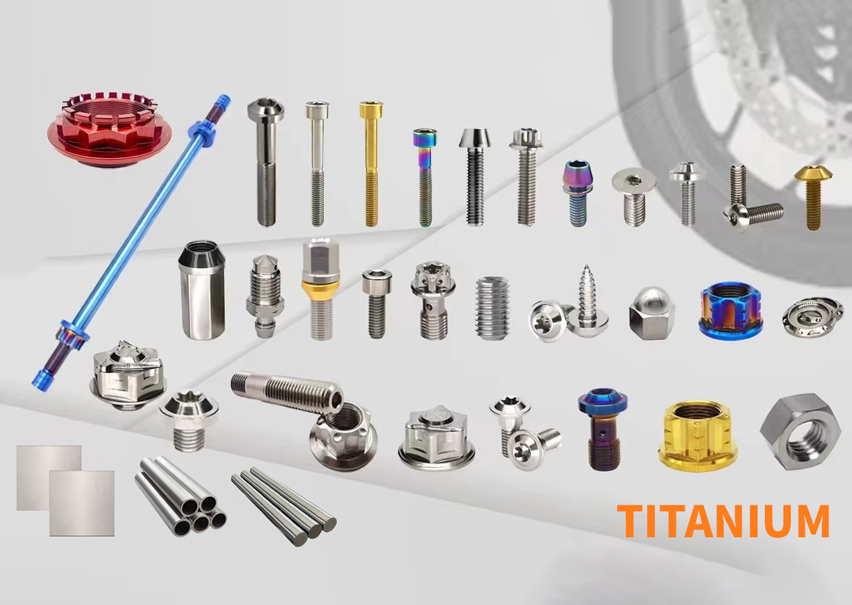
We specialize in titanium fasteners and components that meet the demands of industries worldwide. Our main product lines include:
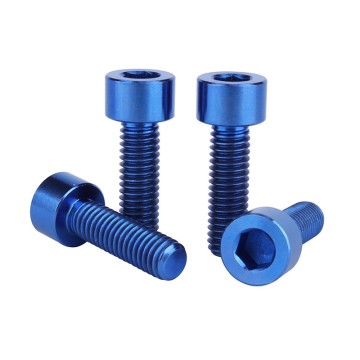
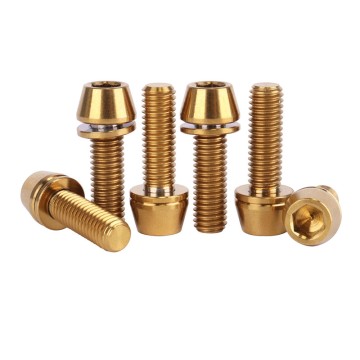
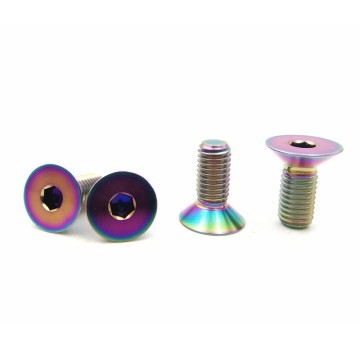
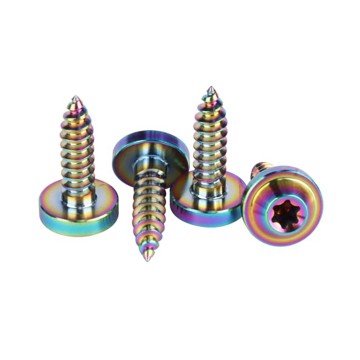
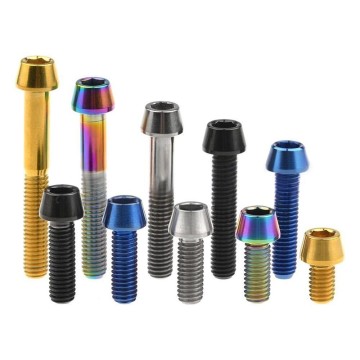
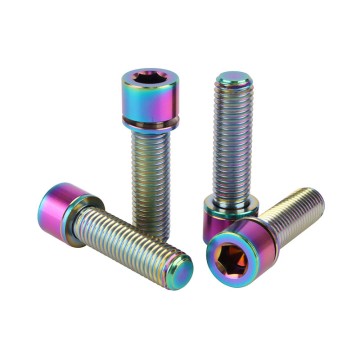
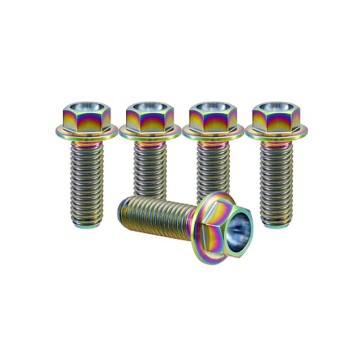
Titanium Fasteners: Bolts, nuts, and washers, commonly in M5–M30 sizes, available in Grades 2, 5, and 7. Widely used in automotive, motorcycles, marine, and industrial equipment.
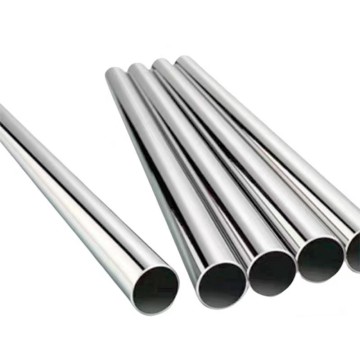
Titanium Tubes & Fittings: Durable and corrosion-resistant, suitable for piping, marine, and chemical applications.
Titanium Rods & Plates: Machined to custom specifications, supporting engineering projects and precision parts.
Note: The above are our major product categories. Customized titanium parts are also available upon request.
Vision: To be the trusted partner for engineers, innovators, and businesses worldwide, delivering high-quality titanium components with flexible support and practical guidance.
We understand that successful projects rely not only on materials but also on trust, support, and reliability. Trusted by engineers and innovators worldwide, we aim to empower every client with high-performance titanium solutions.

We prioritize understanding our clients' needs, providing reliable materials, timely delivery, and flexible solutions.

We build transparent, long-term relationships based on honesty and shared success.

From material sourcing to final delivery, we uphold stringent quality control so you can specify with confidence.

We provide not just products, but practical guidance and innovative ideas to overcome technical hurdles.


Explore our complete range of precision titanium components — engineered for performance in high-speed rail, automotive, marine, and industrial applications.