Leave Your Message
-
Phone
-
E-mail
-
Whatsapp
-
Whatsapp

Engineered for precision mounting, lightweight structures, and uncompromising reliability in professional imaging rigs.
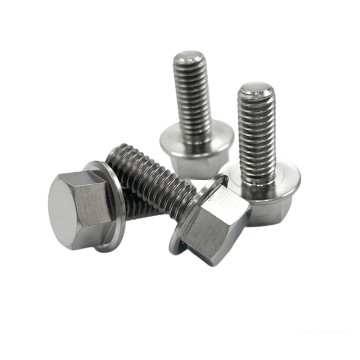
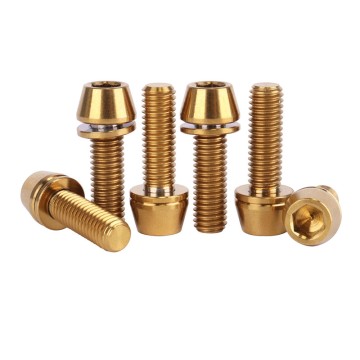
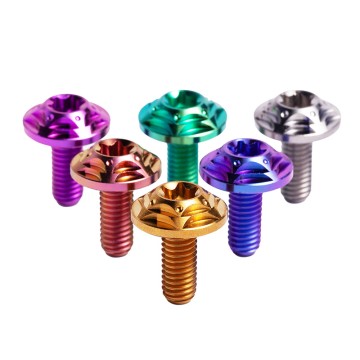
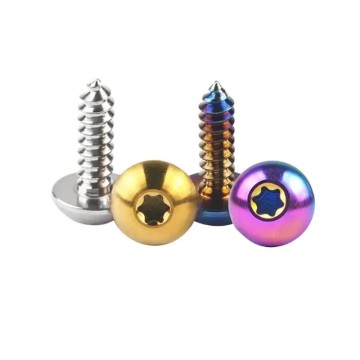
A deep-dive into why professional photographers, cinematographers, and imaging engineers are making the switch.
In the world of professional photography and high-resolution cinematography, the tripod is not merely a support stand — it is a precision instrument. Every component, from the carbon fiber legs to the ball head, must meet exacting standards of stability, durability, and weight economy. Among all the components in a modern high-end tripod, the fastening hardware — specifically the bolts that hold everything together — plays a surprisingly outsized role in the overall performance of the system.
The shift toward lightweight titanium bolts in premium tripod manufacturing represents one of the most significant material science advancements in professional imaging equipment over the past decade. Where traditional stainless steel or aluminum fasteners once dominated, Grade 5 titanium (Ti-6Al-4V) alloy bolts are now the hardware of choice for manufacturers producing flagship tripods targeting photojournalists, wildlife photographers, broadcast engineers, and studio cinematographers who demand instruments that perform at the highest level under all conditions.
A professional tripod carrying a full-frame mirrorless camera with a 600mm telephoto lens must transmit extraordinary loads through its joints without micromovement. Even sub-millimeter looseness in a single bolt can translate to noticeable image blur at high magnification — a critical failure that costs photographers once-in-a-lifetime shots and costs broadcasters air time.
Titanium bolt superiority in this context comes from three simultaneous advantages that no other single material offers:
Many tripod manufacturers invest heavily in carbon fiber leg construction yet overlook fastener material, inadvertently negating a portion of their weight savings. Replacing 60 standard M4 stainless steel bolts with Grade 5 titanium equivalents can reduce total tripod mass by 60–90 grams — equivalent to the weight of a full-size memory card holder or a lens cap. For photographers carrying gear over mountain trails or through international airports, every gram is meaningful.
The global precision fastener market was valued at approximately USD 95 billion in 2023, with specialty alloy fasteners — including titanium — representing a rapidly growing segment driven by aerospace, medical, automotive, and increasingly, consumer electronics and professional equipment sectors. The imaging equipment niche, while smaller in absolute volume, commands some of the highest per-unit margins in the fastener industry precisely because quality tolerances are extreme and brand reputation depends on component reliability.
Premium tripod brands originating in Germany, Japan, Italy, and the United States have been at the forefront of titanium hardware adoption. The professional photography market itself has bifurcated sharply: entry and mid-range tripods remain cost-sensitive and use aluminum or stainless hardware, while the sub-category of professional systems priced above USD 800 increasingly specifies titanium throughout. This segmentation drives demand for small-batch, high-precision titanium fastener production — an area where specialized Chinese manufacturers operating out of Baoji (the world's largest titanium production hub) have developed a strong and internationally recognized competitive position.
Industry analysts project the specialty titanium fastener market to grow at a CAGR of 7–9% through 2030, with imaging and precision instrument applications among the fastest-growing end-use categories. The proliferation of mirrorless camera systems with heavier lens ecosystems, combined with the growth of professional video production and drone-mounted camera platforms, is continually pushing imaging hardware requirements upward — and pulling fastener specifications along with them.
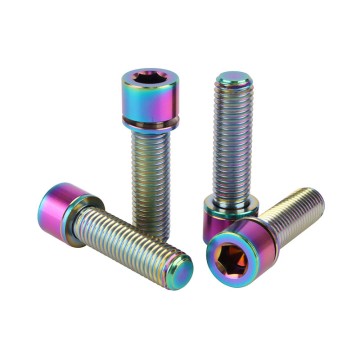
Beyond structural function, anodized titanium bolts now serve as premium visual differentiators. Heat-anodized finishes produce interference colors (gold, blue, purple, green) without added coating mass, appealing to high-end tripod brands that market aesthetics alongside performance to professional customers.
Advanced CNC machining capabilities are enabling M2.5–M4 titanium bolts with customized thread profiles optimized for carbon fiber engagement — preventing the thread pullout failures that have plagued first-generation carbon tripods using conventional hardware.
Next-generation tripods are combining titanium fasteners with ceramic-coated bearing surfaces and PEEK polymer inserts to create joint assemblies that are simultaneously lighter, stronger, more vibration-resistant, and smoother in operation than any single-material system could achieve.
The trend toward modular tripod systems — where photographers can swap heads, center columns, and leg sections to configure for different shooting scenarios — places additional demand on fastener systems. Bolts in modular systems must withstand thousands of assembly/disassembly cycles while maintaining precise clamp force. Titanium's exceptional fatigue resistance (superior to aluminum and comparable to steel at much lower weight) makes it the material of choice for frequently manipulated joints.
Torx-drive and flanged-head titanium bolt configurations are gaining particular traction in the tripod sector. Torx drives allow higher torque application without cam-out (the slipping that damages conventional hex or Phillips head bolts), which is critical when technicians must achieve precise pre-load in field conditions. Flanged heads distribute clamping load over a larger area, reducing the risk of surface compression in carbon fiber panels — one of the most common failure modes in amateur-grade tripod construction.
Photographers working in the Serengeti, Amazon basin, or Arctic tundra face temperature extremes from -40°C to +60°C within a single expedition. Steel fasteners expand and contract at rates that can loosen critical joints over repeated thermal cycles; titanium's lower thermal expansion coefficient maintains more consistent clamp force across this range. Combined with immunity to the salt and humidity present in coastal or rainforest environments, titanium bolts give expedition photographers confidence that their tripod will perform identically at the start and end of a 30-day field assignment.
Broadcast and cinematic production environments demand tripods that remain silent and vibration-free during multi-hour takes. Titanium's inherent damping properties help absorb floor vibrations from HVAC systems, foot traffic, or outdoor environmental noise. Fluid head video tripods — some carrying camera packages exceeding 20 kg — depend on precisely torqued titanium hardware to maintain their rated payload capacity without joint creep over a production season. Studios investing in 6K or 8K camera systems routinely specify titanium-fastened support equipment to eliminate any possibility of hardware-induced image artifacts.
Astrophotographers routinely leave tracking tripod systems operating unattended for 6–12 hour imaging sessions in damp, cold outdoor environments. Any fastener loosening due to vibration, thermal cycling, or corrosion during an imaging run can destroy a night's data collection. The high fatigue resistance and corrosion immunity of titanium bolts are directly mission-critical in this application. Many specialized astronomy equipment manufacturers now specify titanium hardware throughout their tracking mount tripod systems as a standard requirement, not a premium option.
Studio photographers and architectural shooters frequently transport heavy view camera systems or large-format digital backs on specialized tripods that see frequent travel by air. Airlines impose strict carry-on weight limits, and professional photography luggage is already heavily loaded with camera bodies and lenses. Titanium-bolted tripods that weigh 200–400 grams less than steel-equivalent systems can make the difference between checking equipment (risk of damage) and safely carrying it aboard. For photographers who travel 50–100 times per year, this convenience factor alone justifies the premium cost of titanium hardware.
| Property | Grade 5 Titanium | Stainless Steel 316 | Aluminum 7075 |
|---|---|---|---|
| Tensile Strength | 1000+ MPa | 515 MPa | 572 MPa |
| Density | 4.43 g/cm³ | 8.0 g/cm³ | 2.81 g/cm³ |
| Corrosion Resistance | Excellent | Good | Moderate |
| Fatigue Resistance | Excellent | Good | Moderate |
| Vibration Damping | Good | Low | Moderate |
| Ideal Use Case | Premium tripods, precision systems | Budget/mid-range tripods | Lightweight but lower fatigue life |
As the table illustrates, titanium occupies a unique position: it substantially outperforms aluminum on strength, fatigue life, and corrosion resistance, while achieving roughly 45% of steel's weight at equivalent or superior mechanical performance. No other commercially available fastener material combines these attributes at comparable cost-effectiveness for premium applications.
Professional photography equipment manufacturers sourcing titanium bolts from reputable suppliers expect rigorous documentation of material provenance and mechanical property verification. Leading titanium fastener suppliers provide mill certificates confirming composition compliance with ASTM B265 or AMS 4928 standards, dimensional inspection reports per ISO 4759, and hardness testing per Rockwell or Vickers methods. For tripod applications, thread form accuracy is particularly critical — thread gauging to 6H/6g tolerances ensures smooth engagement and prevents galling when bolts are assembled and disassembled repeatedly.
Surface treatment is another area of active development. PVD (physical vapor deposition) coatings can further enhance titanium bolt surface hardness and reduce friction, while standard anodization provides both corrosion enhancement and the distinctive color options that premium tripod brands use for product differentiation. Passivation treatments ensure that no residual machining oils or surface contamination compromise the long-term corrosion performance of the finished fastener.
For tripod manufacturers or OEM procurement engineers evaluating titanium fastener suppliers, several criteria are paramount. First, direct access to raw material from recognized titanium mills — particularly those in Baoji, China's "Titanium Valley" — provides traceability and cost efficiency that trading-company intermediaries cannot match. Second, in-house CNC threading and forming capabilities allow suppliers to produce custom specifications (non-standard head styles, specialized drive forms, unusual length-to-diameter ratios) that mass-market fastener catalogs simply don't carry. Third, responsiveness in small-batch sampling — allowing engineers to evaluate fit, finish, and function before committing to production quantities — is essential for iterative product development.
V Star Titanium represents exactly this type of integrated supplier: rooted in Baoji's titanium industry ecosystem, offering Grade 2, 5, and 7 titanium across fasteners, tubes, rods, and plates, with engineering support for custom specifications and a track record of serving demanding global clients in automotive, aerospace, marine, and precision equipment sectors.
We connect you to high-quality titanium components through flexible and responsive service, empowering your projects with performance, durability, and innovation.
From precision photography tripod hardware to aerospace-grade fasteners, our mission is simple: to resolve the complexities of global titanium product sourcing and deliver materials that empower your most demanding applications.

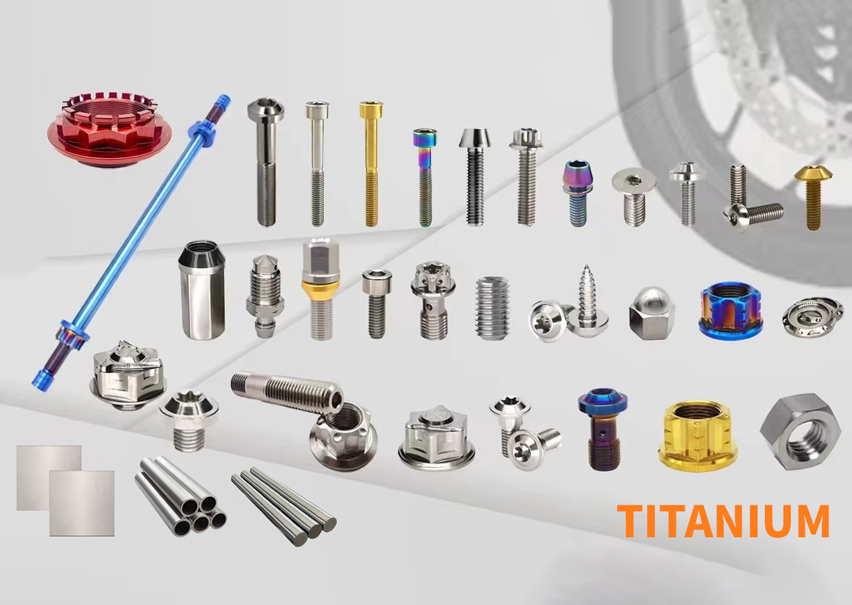
We specialize in titanium fasteners and components that meet the demands of industries worldwide. Our main product lines include:
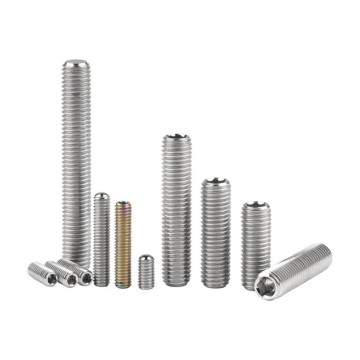
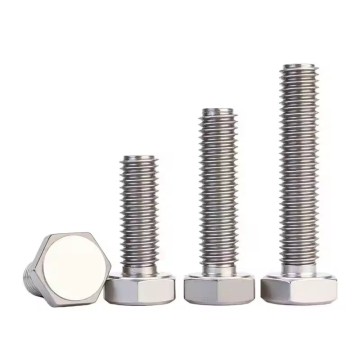
Titanium Fasteners: Bolts, nuts, and washers, commonly in M5–M30 sizes, available in Grades 2, 5, and 7. Widely used in automotive, motorcycles, marine, and industrial equipment.
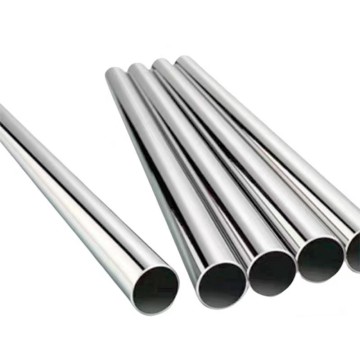
Titanium Tubes & Fittings: Durable and corrosion-resistant, suitable for piping, marine, and chemical applications.
Titanium Rods & Plates: Machined to custom specifications, supporting engineering projects and precision parts.
Note: The above are our major product categories. Customized titanium parts are also available upon request.
Vision: To be the trusted partner for engineers, innovators, and businesses worldwide, delivering high-quality titanium components with flexible support and practical guidance.

We prioritize understanding our clients' needs, providing reliable materials, timely delivery, and flexible solutions.

We build transparent, long-term relationships based on honesty and shared success.

From material sourcing to final delivery, we uphold stringent quality control so you can specify with confidence.

We provide not just products, but practical guidance and innovative ideas to overcome technical hurdles.
Five reasons why engineers and manufacturers worldwide trust V Star Titanium for their most critical applications.


Contact our engineering team for custom titanium bolt specifications, sample requests, or volume pricing for your professional imaging equipment project.
Explore All Titanium ProductsExplore our full range of precision titanium bolts and components — engineered for photography systems, motorsport, marine, and industrial applications.