Leave Your Message
-
Phone
-
E-mail
-
Whatsapp
-
Whatsapp

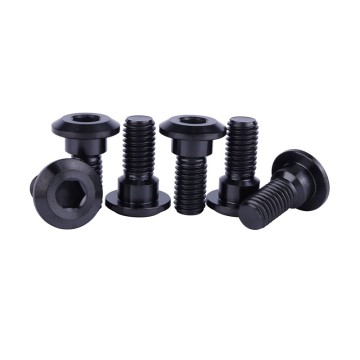
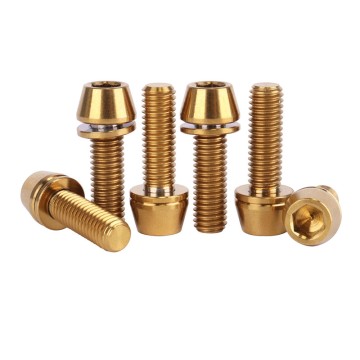
Precision-engineered titanium bolts and fasteners designed to withstand aggressive chemical cleaning processes and elevated temperatures in semiconductor fabrication environments.
A deep-dive into the material science, industrial demand, and evolving application landscape of titanium fasteners in advanced chip manufacturing.
The semiconductor industry operates at the frontier of precision engineering. Fabrication facilities — commonly known as fabs — run continuous wet cleaning and etching processes where wafers are exposed to highly aggressive chemicals such as hydrofluoric acid (HF), sulfuric acid (H₂SO₄), hydrogen peroxide (H₂O₂), and various solvent blends. The equipment that houses these processes must be built from materials that can endure both extreme chemical attack and elevated thermal conditions simultaneously.
Among all structural and fastening components used in semiconductor cleaning tools, heat resistant titanium bolts have emerged as the gold standard. Their unique combination of exceptional corrosion resistance, high strength-to-weight ratio, thermal stability, and biocompatibility with ultra-pure process environments makes them irreplaceable in modern fab tool design.
Semiconductor cleaning tools must operate reliably at temperatures ranging from ambient to over 200°C, in the presence of concentrated acids and oxidizing agents — conditions that rapidly degrade standard stainless steel or plastic fasteners. Heat resistant titanium bolts maintain structural integrity and chemical inertness across this entire operating envelope.
Global semiconductor cleaning equipment revenue surpassed USD 7 billion in 2023 and is projected to grow at a CAGR exceeding 8% through 2030, driven by the relentless advance of sub-5nm process nodes, the proliferation of 3D NAND stacking, and aggressive capacity expansions by leading chipmakers in Asia, North America, and Europe. Every new generation of cleaning tool — whether single-wafer spin processors, batch wet stations, or advanced megasonic cleaning systems — demands tighter material specifications for every internal component, including fasteners.
As process chemistries become more aggressive and thermal budgets tighter, the tolerance for fastener failure narrows dramatically. A single corroded bolt releasing metallic ions into an ultra-pure chemical bath can contaminate an entire wafer lot, resulting in yield losses worth hundreds of thousands of dollars. This economic reality has made heat resistant titanium bolts not a premium option, but a baseline engineering requirement in leading-edge cleaning tool design.
Titanium's dominance in semiconductor cleaning tool fastener applications stems from a confluence of material properties that no single alternative can replicate:
Titanium forms a stable, self-regenerating TiO₂ passive oxide layer that resists attack from most mineral acids, chlorine compounds, and oxidizing media. Grade 2 (commercially pure) titanium excels in HF-containing environments, while Grade 5 (Ti-6Al-4V) provides superior mechanical strength in structural applications. Neither grade leaches metallic contaminants into process fluids — a critical requirement for semiconductor purity standards.
With a melting point of approximately 1,668°C and a service temperature exceeding 300°C in most fastener applications, titanium maintains its mechanical properties and corrosion resistance at the elevated temperatures characteristic of heated chemical baths, drying modules, and thermal processing chambers within cleaning tools. Unlike polymers, titanium bolts do not creep, outgas, or degrade under sustained thermal load.
Grade 5 titanium delivers tensile strength comparable to many alloy steels at roughly 60% of the weight. In precision cleaning tool frames and chamber assemblies, this translates to reduced structural mass without compromising clamping force or vibration resistance — important factors in megasonic and ultrasonic cleaning modules where resonant frequency management is critical.
Titanium's non-magnetic nature prevents interference with magnetically sensitive wafer handling robotics. Its relatively low coefficient of thermal expansion (approximately 8.6 µm/m·°C) reduces differential thermal stress at bolted joints during repeated heat-cool cycles, extending the fatigue life of both the fastener and the mating component.
Modern semiconductor fabs operate under SEMI F57 and equivalent standards governing metallic contamination in process chemicals. Titanium's exceptional chemical inertness and the stability of its passive oxide layer ensure that titanium bolts contribute negligible ionic contamination to process environments — a compliance advantage that stainless steel and even exotic alloys cannot always guarantee.
Emerging technology directions shaping the demand for heat resistant titanium bolts in advanced semiconductor manufacturing.
As chipmakers push to 2nm and sub-2nm process nodes, cleaning tool specifications tighten dramatically. Particle contamination limits shrink to single-digit nanometer levels, demanding fastener materials with zero ionic leaching. Heat resistant titanium bolts are the only commercially viable fastener solution meeting these emerging purity requirements at scale.
The explosive growth of 3D NAND flash and heterogeneous integration packaging requires cleaning tools capable of handling increasingly complex wafer geometries and multi-step chemical sequences. Titanium fasteners' resistance to mixed-acid environments (SPM, APM, HPM) makes them ideal for the multi-chemistry cleaning chambers these processes demand.
Massive fab investments in the US (CHIPS Act), Europe (European Chips Act), Japan, and South Korea are creating unprecedented demand for cleaning equipment and associated precision components. This global capacity surge is driving a sustained uptick in procurement of high-specification titanium fasteners, creating new supply chain opportunities for qualified manufacturers.
Semiconductor manufacturers are under increasing ESG pressure to extend tool lifecycles and reduce waste. Titanium bolts' exceptional durability — resisting corrosion-induced failure for years longer than stainless steel alternatives — directly supports tool longevity programs, reducing maintenance downtime and total cost of ownership across the fab.
As cleaning tools become increasingly automated with integrated sensors and robotic wafer handling, the non-magnetic and thermally stable properties of titanium fasteners become even more valuable, preventing electromagnetic interference and ensuring dimensional stability in precision-aligned robotic interfaces.
Tool OEMs are moving away from off-the-shelf fasteners toward custom-engineered titanium bolt specifications — including proprietary head geometries, surface treatments, and size ranges — to optimize chemical flow dynamics, minimize particle trapping, and meet tool-specific torque requirements. This trend favors suppliers with flexible manufacturing capabilities.
Specific engineering contexts where heat resistant titanium fasteners deliver decisive performance advantages within semiconductor cleaning and surface preparation equipment.
In single-wafer spin cleaning tools, the process bowl and chemical dispense arm are subjected to continuous acid and solvent exposure. Titanium bolts securing bowl flanges, drain assemblies, and cover plates must resist HF, H₂SO₄/H₂O₂ (piranha), and SC-1/SC-2 chemistries at temperatures up to 80–120°C. Grade 2 titanium bolts are typically specified here for maximum HF resistance, while Grade 5 is used where higher clamping torque is required.
Batch wet benches process multiple wafers simultaneously in large chemical tanks — often PTFE or quartz-lined. The structural frames, tank mounting brackets, and lid assemblies use titanium bolts to maintain mechanical integrity in environments saturated with chemical vapors and splashback. Heat resistance is critical near heated tanks (70–90°C), where thermal cycling would fatigue inferior fastener materials over time.
Megasonic cleaning systems use high-frequency acoustic energy to dislodge sub-micron particles from wafer surfaces. The transducer assemblies and tank mounting hardware experience simultaneous chemical exposure and mechanical vibration. Titanium bolts' high fatigue strength and vibration resistance prevent loosening and fretting corrosion, ensuring consistent acoustic coupling over extended tool lifetimes.
Post-clean drying modules — including IPA vapor dryers and Marangoni dryers — operate at elevated temperatures (100–200°C) with residual chemical exposure. Titanium bolts securing heating elements, chamber walls, and gas distribution manifolds must maintain clamping force and resist oxidation at these temperatures, a requirement that eliminates most polymer and many metallic alternatives.
Ultra-pure chemical delivery lines supplying cleaning tools use titanium compression fittings and bolted flange connections to prevent metallic contamination of process chemicals. The combination of pressure resistance, chemical inertness, and thermal stability makes titanium bolts the preferred choice for flange sealing in HF and oxidizing acid distribution systems.
Chemical exhaust systems connected to cleaning tools handle corrosive vapor streams containing HF, HCl, and solvent vapors. Structural fasteners in exhaust duct flanges, scrubber tower connections, and fan housing assemblies require the same chemical and thermal resistance as process-side components. Titanium bolts provide the necessary durability in these often-overlooked but critical ancillary systems.
Choosing the appropriate titanium grade for semiconductor cleaning tool fastener applications requires careful consideration of the specific chemical environment, operating temperature, and mechanical load requirements:
| Grade | Alloy | Tensile Strength | Best Chemical Resistance | Typical Application in Cleaning Tools |
|---|---|---|---|---|
| Grade 2 | Commercially Pure Ti | 345–450 MPa | HF, HCl, oxidizing acids | Process bowl fasteners, chemical tank hardware, HF-exposed components |
| Grade 5 | Ti-6Al-4V | 895–1000 MPa | H₂SO₄, H₂O₂, SC-1/SC-2 | Structural frame bolts, high-torque flange connections, megasonic mounts |
| Grade 7 | Ti-0.2Pd | 345–480 MPa | Reducing acids, crevice corrosion | Specialized chemical environments, heated acid applications |
The global market for semiconductor-grade titanium fasteners is concentrated among a small number of specialized manufacturers with the metallurgical expertise, quality systems, and supply chain infrastructure to meet the stringent requirements of tier-1 semiconductor equipment OEMs. Baoji, China — known as the "Titanium Valley" — is the world's largest production hub for titanium fasteners and components, accounting for a significant share of global titanium product output.
For semiconductor equipment manufacturers and procurement teams, the key sourcing criteria for heat resistant titanium bolts include: material certification to ASTM B348 or equivalent, dimensional compliance with ASME or DIN standards, documented traceability from mill to finished part, and demonstrated experience with semiconductor industry quality requirements including lot control and COC documentation.
Flexible minimum order quantities and responsive technical support are also critical — semiconductor tool development programs often require rapid prototyping of custom fastener geometries before committing to production volumes. Suppliers who can bridge the gap between custom prototype and volume production, while maintaining consistent quality, provide the highest value to tool OEM customers.

We connect you to high-quality titanium components through flexible and responsive service, empowering your projects with performance, durability, and innovation.
Our Story: We started with a simple principle — to resolve the complexities of global titanium product sourcing. We saw that engineers and innovators needed not just a supplier, but a partner who offers reliable materials and eliminates logistical hurdles.
We believe that true success is built on trust and long-term collaboration. Every bolt, tube, rod and plate we deliver carries our commitment to your project's success and our mutual growth.
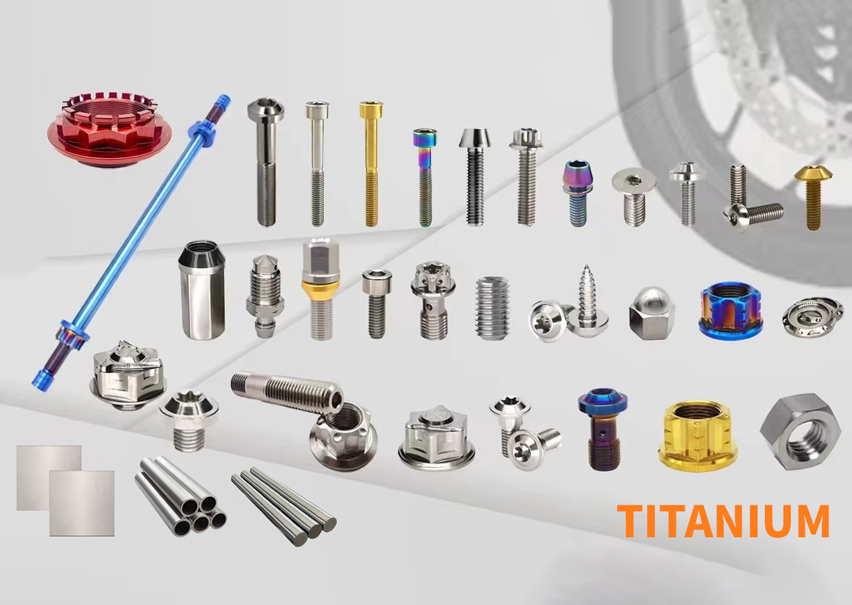
We specialize in titanium fasteners and components that meet the demands of industries worldwide. Our main product lines include:
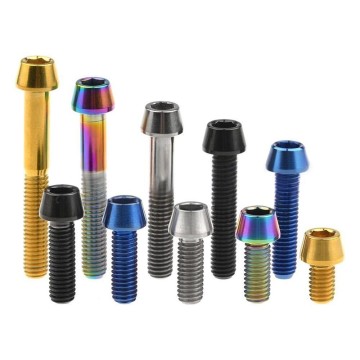
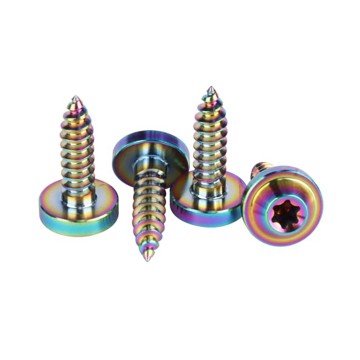
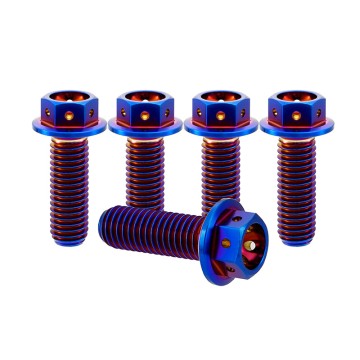
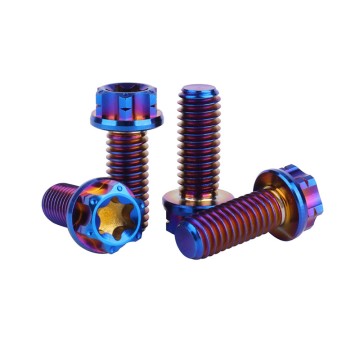
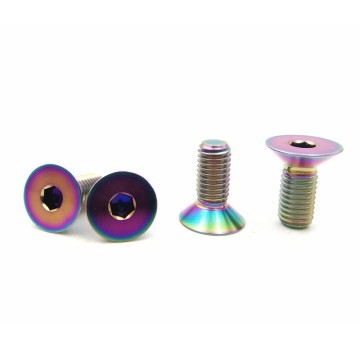
Titanium Fasteners: Bolts, nuts, and washers, commonly in M5–M30 sizes, available in Grades 2, 5, and 7. Widely used in semiconductor equipment, automotive, motorcycles, marine, and industrial equipment.
Titanium Tubes & Fittings: Durable and corrosion-resistant, suitable for piping, marine, chemical, and semiconductor process applications.
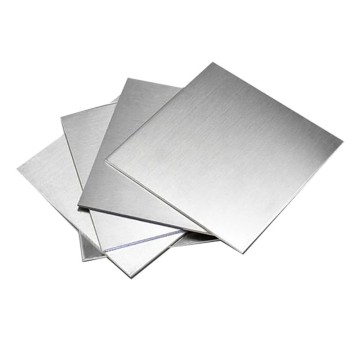
Titanium Rods & Plates: Machined to custom specifications, supporting engineering projects and precision parts.
Note: The above are our major product categories. Customized titanium parts are also available upon request.
Vision: To be the trusted partner for engineers, innovators, and businesses worldwide, delivering high-quality titanium components with flexible support and practical guidance. We understand that successful projects rely not only on materials but also on trust, support, and reliability.

We prioritize understanding our clients' needs, providing reliable materials, timely delivery, and flexible solutions.

We build transparent, long-term relationships based on honesty and shared success.

From material sourcing to final delivery, we uphold stringent quality control so you can specify with confidence.

We provide not just products, but practical guidance and innovative ideas to overcome technical hurdles.
Trusted by semiconductor equipment engineers and industrial innovators worldwide — here's what sets us apart.

Reliable sourcing from the heart of China's titanium industry — Baoji

Strict quality control and certification compliant with international standards

Competitive pricing with guaranteed reliability

Responsive and attentive service for every client

Global logistics support for timely delivery
Connect with our titanium specialists to discuss your specific application requirements, request material certifications, or obtain a competitive quote for custom or standard titanium fasteners.
Request a Quote Today →Explore our full range of precision titanium bolts, fasteners, and components engineered for demanding industrial environments.