
Leave Your Message
-
Phone
-
E-mail
-
Whatsapp
-
Whatsapp

Precision-engineered titanium fasteners designed to withstand the demanding thermal and mechanical conditions of high-speed rail ventilation infrastructure.
Modern high-speed rail systems operate at speeds exceeding 350 km/h, generating intense aerodynamic forces, vibration, and heat — particularly within ventilation tunnels, HVAC ducts, traction motor housings, and underbody airflow management assemblies. In these environments, conventional steel fasteners frequently fail due to thermal expansion mismatch, oxidative corrosion, and fatigue fracture under cyclic loading.
Heat resistant titanium bolts have emerged as the definitive engineering solution. Titanium alloys — especially Ti-6Al-4V (Grade 5) — maintain exceptional tensile strength up to 300°C and exhibit a thermal expansion coefficient remarkably close to that of composite and aluminum structural panels used throughout modern rail carbodies. This compatibility dramatically reduces interfacial stress at fastener joints during thermal cycling.
Furthermore, titanium's outstanding corrosion resistance eliminates the need for protective coatings in humid tunnel environments and coastal rail corridors — ensuring structural integrity without scheduled re-coating downtime.
The global adoption of titanium fasteners in rail infrastructure is accelerating rapidly, driven by next-generation HSR expansion and sustainability mandates.
Engineered to perform where conventional fasteners cannot — our titanium bolts deliver a unique combination of thermal, mechanical, and chemical properties essential for rail ventilation systems.
Ti-6Al-4V (Grade 5) retains over 80% of its room-temperature tensile strength at 300°C, making it ideal for ventilation system bolts exposed to sustained high-temperature airflow from traction motors and braking systems in high-speed rail environments.
At roughly 4.5 g/cm³ density — 43% lighter than steel — titanium bolts dramatically reduce unsprung mass in rail bogies and ventilation module assemblies, contributing to improved ride dynamics and reduced track wear at ultra-high speeds.
Titanium's naturally forming TiO₂ passive oxide layer provides exceptional resistance to chloride-induced corrosion, tunnel humidity, de-icing salt spray, and industrial atmospheric pollutants — critical for rail ventilation hardware with 30+ year service life expectations.
Titanium alloys exhibit superior fatigue endurance limits compared to stainless steel. In high-speed rail ventilation systems subject to continuous aerodynamic vibration and resonance frequencies, titanium bolts maintain clamp load integrity over millions of load cycles.
Titanium's coefficient of thermal expansion (8.6 µm/m·°C) closely matches aluminum alloys and carbon fiber composites used in modern rail carbody construction, minimizing differential thermal stress at fastener interfaces and preventing joint loosening during temperature swings.
Titanium's non-magnetic properties prevent interference with rail signaling and electromagnetic systems. Its non-sparking characteristic is critical for ventilation systems in enclosed tunnels where flammable contaminants may be present, meeting stringent rail safety standards.
Standard and custom specifications available to meet international rail engineering standards including EN, JIS, ASTM, and GB/T requirements.
| Parameter | Grade 2 (CP Titanium) | Grade 5 (Ti-6Al-4V) | Grade 7 (Ti-0.2Pd) |
|---|---|---|---|
| Tensile Strength | 345–485 MPa | 895–1000 MPa | 345–485 MPa |
| Yield Strength | 275 MPa min. | 828 MPa min. | 275 MPa min. |
| Max. Service Temp. | ~250°C | ~300°C | ~250°C |
| Density | 4.51 g/cm³ | 4.43 g/cm³ | 4.50 g/cm³ |
| Corrosion Resistance | Excellent | Very Good | Superior (acid environments) |
| Available Sizes | M5–M30 | M5–M30 | M5–M24 |
| Primary Rail Application | Ventilation duct panels, interior fixtures | Motor housings, structural ventilation frames | Coastal/tunnel environments |
From traction motor cooling to tunnel ventilation infrastructure, titanium fasteners are redefining reliability standards across the entire high-speed rail ventilation ecosystem.
High-speed rail traction motors generate sustained operating temperatures of 180–260°C. Titanium bolts securing ventilation covers and cooling duct assemblies must maintain precise clamp load under continuous thermal cycling. Grade 5 titanium's strength retention at elevated temperature prevents bolt relaxation and gasket blowout that plagues steel fasteners in this application, reducing unscheduled maintenance events significantly.
Tunnel ventilation jet fans operate in environments combining high humidity, salt-laden air, diesel exhaust residues, and mechanical vibration. Titanium bolts in fan blade retention and mounting flange assemblies eliminate corrosion-induced loosening — a critical safety concern. Their non-magnetic properties also prevent interference with tunnel emergency communication and signaling infrastructure.
Modern HSR carbodies feature complex underbody aerodynamic panels that channel airflow to reduce drag and manage brake cooling. These panels, typically fabricated from CFRP or aluminum, are fastened with hundreds of bolts exposed to high-velocity airflow, stone impact, and temperature differentials exceeding 80°C between summer and winter operations. Titanium's CTE compatibility with composite substrates prevents fastener-induced delamination.
Passenger cabin HVAC systems in HSR trains require fasteners in air handling unit housings, diffuser grilles, and duct junction plates. Titanium bolts provide the necessary corrosion resistance for condensation-prone environments while their lightweight nature reduces overall HVAC module mass — a key consideration for energy efficiency in trains operating 20+ hours daily.
Bogie-mounted brake disc cooling vents and wheel-well airflow management components experience intense mechanical vibration at frequencies of 50–500 Hz during high-speed operation. Titanium's superior fatigue endurance limit — approximately 50% of ultimate tensile strength — compared to steel's 40% ensures these critical safety fasteners maintain structural integrity across the full 30-year service life of modern HSR bogies.
Roof-mounted pantograph assemblies and associated ventilation covers are exposed to extreme environmental conditions including UV radiation, acid rain, bird strikes, and electrical arcing proximity. Titanium bolts in these assemblies provide unmatched durability without galvanic corrosion when paired with aluminum roof panels — eliminating the isolation washers and coatings required with stainless steel alternatives.
The convergence of next-generation rail expansion, sustainability targets, and advanced manufacturing is driving unprecedented demand for heat resistant titanium fasteners in rail ventilation applications.
Prototype trains targeting 400–600 km/h commercial operation are under development in China, Japan, and Europe. At these speeds, thermal and aerodynamic loads on ventilation fasteners increase exponentially — making titanium not just preferable but technically mandatory for structural safety certification.
Rail operators face increasing regulatory pressure to reduce fleet energy consumption by 20–30% by 2035. Every kilogram eliminated from carbody and bogie mass directly reduces traction energy requirements. Titanium fasteners replacing steel across a full train set can eliminate 80–150 kg of mass — translating to measurable energy savings over a 30-year operational life.
3D printing of titanium fastener components using selective laser melting (SLM) is enabling complex internal geometries — including hollow-core bolts with integrated airflow passages — that are impossible with conventional machining. These innovations are opening new design possibilities for integrated ventilation fastener systems in next-generation rail vehicles.
Embedded sensor technology in titanium bolt heads — leveraging titanium's biocompatibility with piezoelectric sensor materials — is enabling real-time clamp load monitoring in critical ventilation assemblies. This IoT integration supports predictive maintenance programs that reduce rail operator maintenance costs by 25–35% compared to traditional scheduled inspection regimes.
Over 50,000 km of new high-speed rail lines are planned globally through 2035, with major projects in Southeast Asia, the Middle East, and North America. Each new HSR project represents a substantial procurement opportunity for heat resistant titanium fasteners, with a single 1,000 km line requiring millions of specialized fastener components across its ventilation and structural systems.
Advances in the Kroll process and emerging FFC Cambridge process alternatives are progressively reducing titanium production costs. Combined with China's dominant position in global titanium sponge production — accounting for over 50% of world supply — the price premium of titanium over stainless steel for fastener applications continues to narrow, accelerating adoption in cost-sensitive rail procurement programs.

The global market for titanium fasteners in rail transportation is estimated at approximately $340 million annually as of 2024, with high-speed rail ventilation applications representing the fastest-growing segment. Leading rail vehicle manufacturers including CRRC, Alstom, Siemens Mobility, Bombardier Transportation (now Alstom), and Hitachi Rail are progressively standardizing titanium fasteners in their latest generation platform designs.
From a procurement perspective, the total cost of ownership (TCO) calculation increasingly favors titanium. While titanium bolts carry a unit cost premium of 3–8× over stainless steel equivalents, the extended service life (30+ years vs. 10–15 years), elimination of corrosion treatment, reduced inspection frequency, and weight savings generate a positive ROI within 7–12 years of fleet operation — well within standard rail asset amortization periods.
Supply chain considerations are also evolving. Baoji, China — recognized as the "Titanium Valley" of the world — produces over 60% of global titanium fastener output, offering rail procurement teams competitive pricing, flexible MOQs, and rapid prototype-to-production timelines that Western suppliers cannot match. Qualified suppliers from this region are increasingly certified to EN 9100, IATF 16949, and rail-specific quality management frameworks.
We connect you to high-quality titanium components through flexible and responsive service, empowering your projects with performance, durability, and innovation.
We started with a simple principle: to resolve the complexities of global titanium product sourcing. We saw that engineers and innovators needed not just a supplier, but a partner who offers reliable materials and eliminates logistical hurdles.
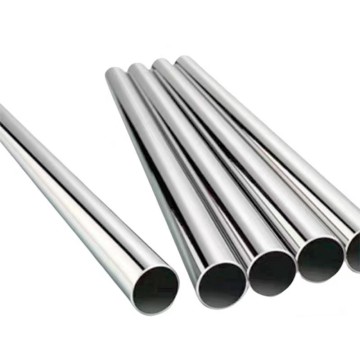
We believe that true success is built on trust and long-term collaboration. Every bolt, tube, rod and plate we deliver carries our commitment to your project's success and our mutual growth.
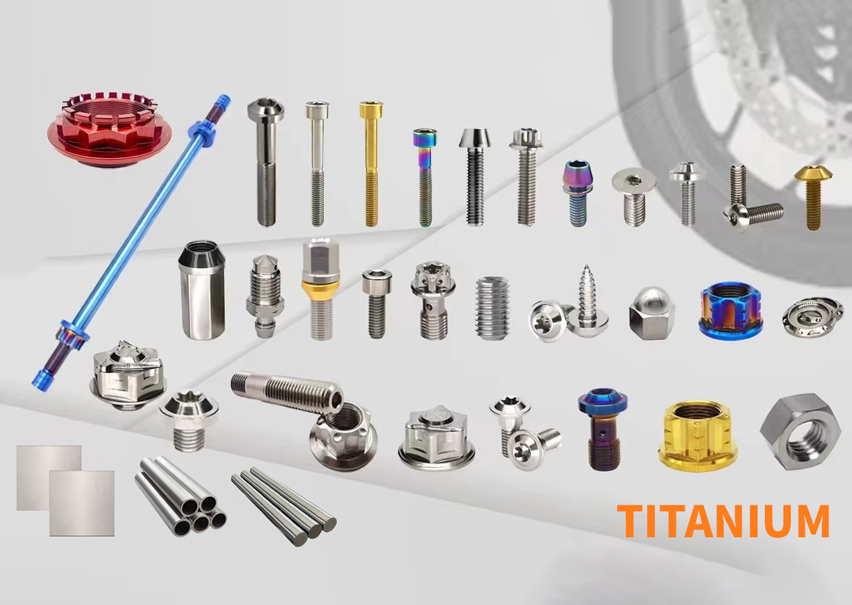
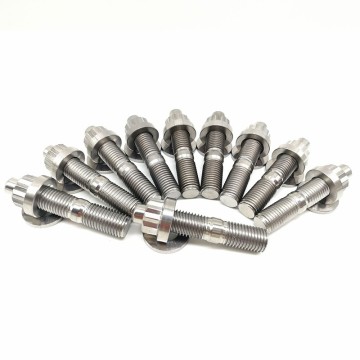
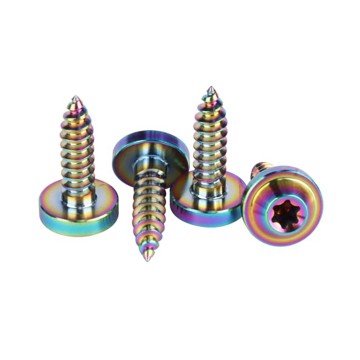
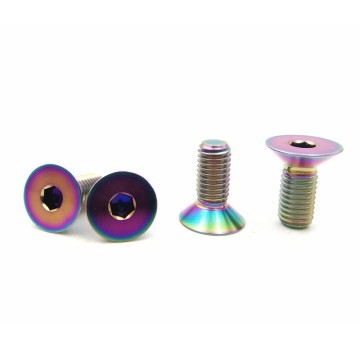
We specialize in titanium fasteners and components that meet the demands of industries worldwide. Our main product lines include:
Vision: To be the trusted partner for engineers, innovators, and businesses worldwide, delivering high-quality titanium components with flexible support and practical guidance. We understand that successful projects rely not only on materials but also on trust, support, and reliability.

We prioritize understanding our clients' needs, providing reliable materials, timely delivery, and flexible solutions.

We build transparent, long-term relationships based on honesty and shared success.

From material sourcing to final delivery, we uphold stringent quality control so you can specify with confidence.

We provide not just products, but practical guidance and innovative ideas to overcome technical hurdles.
Backed by Baoji's world-leading titanium manufacturing ecosystem, we deliver the quality, reliability, and service that demanding rail and industrial applications require.


Explore our full range of precision titanium fasteners and components — engineered for rail, automotive, marine, and advanced industrial applications.
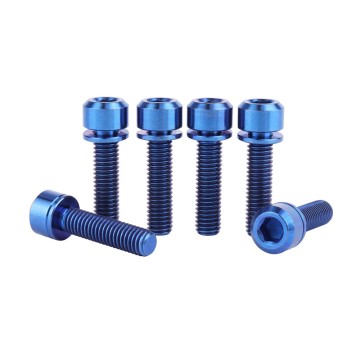
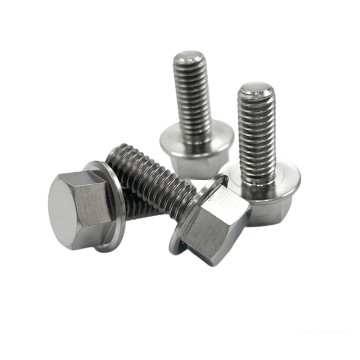
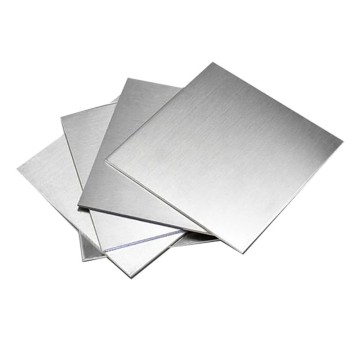
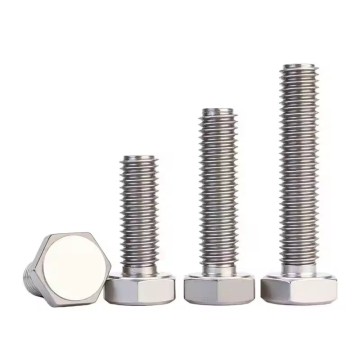
Partner with V Star Titanium for engineering-grade heat resistant titanium bolts that deliver unmatched performance, longevity, and value in high-speed rail ventilation applications. Request a quote or technical consultation today.
Get a Custom Quote →