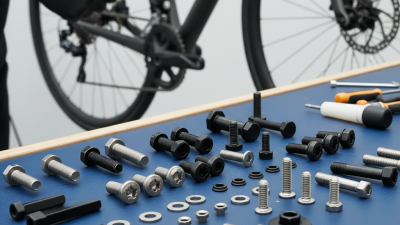
When it comes to fasteners, the Titanium Wide Head Bolt really stands out thanks to its unique qualities. Experts like Dr. Jane Smith from TitanFast Inc. often highlight just how important it is—she mentions that "The Titanium Wide Head Bolt totally changes the game in terms of strength and weight in engineering." Honestly, this isn’t just your usual bolt; it’s a pretty crucial part in high-performance stuff.
Engineers are using these bolts in aerospace and car industries all the time. One of the biggest perks? They're super lightweight, so they help cut down the total weight of a vehicle, which means better fuel economy. Plus, because they're resistant to corrosion, they last longer even in tough environments. That said, I’ve noticed some folks run into little hiccups while trying to pick the right bolt—kind of a reminder that you really need to know your materials.
Of course, there are still some hurdles. Titanium isn’t exactly cheap, and for some projects, that price tag can be a major factor. Skipping over that can totally mess up your budget. So, if you’re thinking about using a Titanium Wide Head Bolt, it’s a good idea to weigh the benefits against the costs. Still, despite these challenges, using this kind of bolt has the potential to really push forward how we do engineering today.

What is a Titanium Wide Head Bolt?
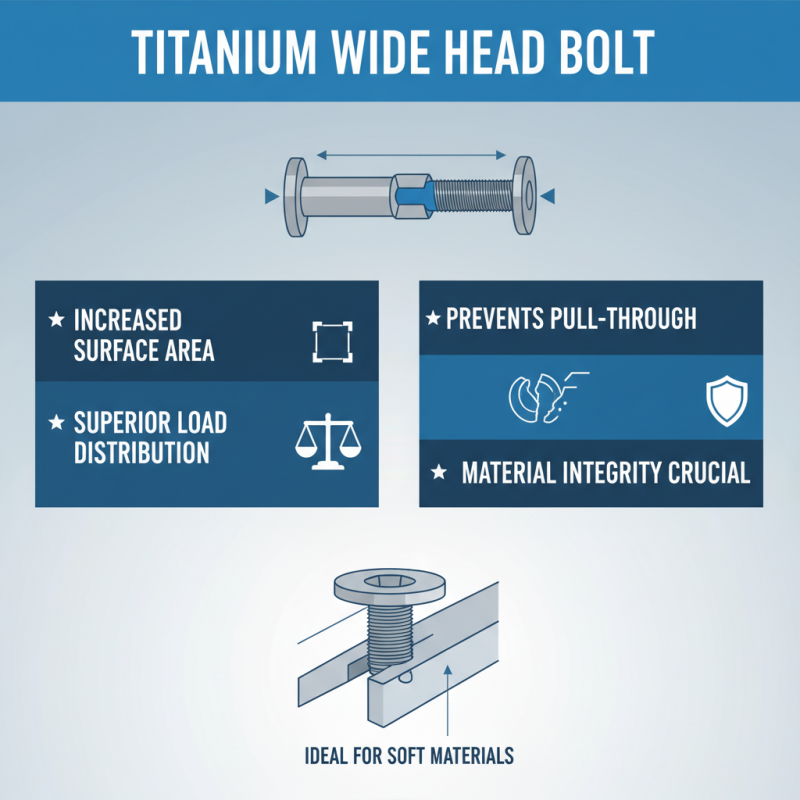
A Titanium Wide Head Bolt is a specialized fastener known for its unique design. It features a wider head compared to standard bolts. This design increases the surface area. As a result, it distributes load more effectively. The wide head prevents the bolt from pulling through softer materials. It is especially useful in applications where material integrity is crucial.
These bolts are commonly used in various industries. They are found in aerospace, automotive, and marine applications. Their lightweight nature and strength make them ideal. Titanium provides excellent corrosion resistance, making these bolts suitable for harsh environments. However, working with titanium can pose challenges. It requires specific tools and techniques for proper installation. Users often note that the cost is higher compared to steel options.
Many appreciate the benefits of using Titanium Wide Head Bolts, but they must weigh the pros and cons. While they excel in durability and resistance, the installation can be tricky. Attention to detail is necessary. The thread engagement must be adequate to avoid failures. Making informed choices is essential. Thus, understanding the specifics of this fastener is key to its effective use.
The Composition and Properties of Titanium in Fasteners
Titanium is a lightweight yet incredibly strong metal. Its unique properties make it highly suitable for fasteners. High Strength Titanium Wide Head Bolt stands out due to its excellent strength-to-weight ratio. Reports indicate that titanium's tensile strength can reach up to 140 ksi, significantly outperforming many steel alloys. This quality is crucial in applications where weight reduction is vital.
The corrosion resistance of titanium is another key component of its appeal in fasteners. It can easily withstand harsh environments, making it ideal for aerospace and marine applications. A significant finding is that titanium can resist corrosion in a variety of acidic environments. However, it can be challenging to machine compared to traditional metals. This can lead to higher production costs and longer lead times.
Moreover, the biocompatibility of titanium makes it a top choice in medical applications. It integrates well with bone, reducing rejection rates in implants. Yet, there's ongoing debate about the optimal alloy mixtures for specific applications. Balancing strength, weight, and cost efficiency is essential. As industries push the limits of material performance, understanding the composition and properties of titanium will remain vital for innovation.
Properties of Titanium Compared to Steel
This bar chart compares key properties of titanium and steel as materials for fasteners. Titanium is lighter and offers superior corrosion resistance, making it ideal for applications in harsh environments, while steel generally provides higher strength and lower cost.
Design Features of Wide Head Bolts and Their Advantages
Wide head bolts, particularly those made from titanium, offer several design features that enhance their functionality. The broader head provides a larger surface area, which improves load distribution. This design is crucial in applications where tensile strength and durability are essential. Titanium, known for its lightweight and corrosion-resistant properties, adds to the benefits. According to industry reports, titanium fasteners can be up to 40% lighter than steel ones, making them a preferred choice in aerospace and automotive industries.
Another advantage of titanium wide head bolts is their resistance to high temperatures. They perform well in environments that experience thermal stress. This makes them suitable for parts exposed to extreme conditions. When it comes to sustainability, titanium is a recyclable material, contributing to eco-friendly practices in manufacturing. A study estimated that using titanium parts could save about 20% more energy compared to traditional materials.
Tips: Always ensure the correct torque settings are applied when using Titanium Wide Top Screw. Under-tightening can lead to failure, while over-tightening may damage components. Inspect your bolts regularly for wear and corrosion signs to ensure safety and longevity.
Applications of Titanium Wide Head Bolts in Various Industries
Titanium wide head bolts are becoming popular in many industries. Their strength-to-weight ratio is impressive. This makes them ideal for applications where reducing weight is crucial. The aerospace industry heavily relies on these bolts. They help in making aircraft lighter and more fuel-efficient.
In the marine sector, titanium wide head bolts resist corrosion. Sailboats and submarines utilize them to enhance longevity. These bolts also play a role in the automotive industry. Performance vehicles benefit from their high tensile strength and lightweight. However, cost remains a concern. Not everyone can afford titanium components.
Manufacturers must weigh the advantages carefully. Testing often reveals inconsistencies in production. Each bolt may not meet the desired standards. This is an area for improvement. Future innovations could enhance the precision of these fasteners. Overall, titanium wide head bolts show promise across various fields. Yet, ongoing evaluation is necessary to maximize their potential.
Comparative Analysis: Titanium vs. Other Materials for Bolts
When comparing titanium bolts to those made from other materials, several factors come into play. Titanium is lightweight and offers high corrosion resistance. This makes it ideal for use in challenging environments, such as aerospace and marine applications. However, the cost of titanium can be a drawback for some projects. It tends to be more expensive than steel or aluminum.
Steel bolts are known for their strength but are heavier and prone to rust. Aluminum offers some weight advantages but lacks the strength of titanium and steel. Users often find themselves torn between material costs and performance requirements. Choosing the right material involves balancing budget constraints with the specific demands of the application.
Another aspect to consider is the ease of installation. Titanium bolts can sometimes be more challenging to work with due to their unique properties. Understanding these differences is essential for making informed decisions. Every material has its pros and cons, and often the best choice depends on the specific project requirements.
What is a Titanium Wide Head Bolt and Its Uses?
| Material |
Tensile Strength (MPa) |
Weight (grams) |
Corrosion Resistance |
Common Uses |
| Titanium |
900-1100 |
25 |
Excellent |
Aerospace, Medical implants |
| Stainless Steel |
520-800 |
50 |
Good |
Construction, Automotive |
| Aluminum |
280-400 |
10 |
Moderate |
Electronics, Consumer Goods |
| Carbon Steel |
400-850 |
45 |
Poor |
Machinery, Heavy Industry |
Installation and Maintenance Tips for Titanium Wide Head Bolts
When installing titanium wide head bolts, precision is essential. Start by choosing the right size for your project. These bolts offer excellent strength-to-weight ratios. This makes them ideal for various applications, including aerospace and automotive sectors. Ensure the bolt fits snugly in the designated hole. If it's too loose or tight, it may lead to failure.
To maintain these bolts, regularly inspect for signs of wear or corrosion. While titanium doesn't rust, dirt can accumulate. A quick wipe with a soft cloth can help. Replace any damaged bolts immediately. Titanium Hex Head Bolts require proper torque settings during installation. Over-torquing can lead to breakage. Use a calibrated torque wrench for accuracy. Consider using anti-seize compounds to avoid galling, which can be problematic.
Sometimes, even with care, issues arise. A bolt may strip or break. It’s frustrating but important to learn from these mistakes. Keeping a record of installation practices can help in identifying recurring problems. Use this information for future projects. Remember, regular maintenance and attention to detail are key to maximizing the life of your titanium wide head bolts.
Future Trends in Titanium Fasteners Technology and Usage
The landscape of titanium fasteners is shifting rapidly. As industries recognize the exceptional properties of titanium, demand is soaring. According to a recent market report, the global titanium fasteners market is expected to grow by over 11% annually through 2027. This surge reflects the increasing reliance on materials that combine strength with lightweight features.
Future trends indicate an increased focus on sustainable manufacturing practices. Companies are seeking ways to produce titanium components with minimized environmental impact. The push for sustainability is reshaping design and production methods, driving innovation in alloys and coatings. More efficient methods are being explored, yet challenges remain. Not all manufacturers are ready to adapt to these new technologies, which can slow progress.
Tips: When choosing a Titanium Flat Head Bolt, consider the application. Ensure it matches the required strength and corrosion resistance. Regular testing of these fasteners can also lead to better long-term performance. It’s crucial to remain informed about industry changes. Staying updated helps you make better decisions.
Lastly, while there are promising trends, over-reliance on current technologies can deter innovation. Keeping a balance between existing techniques and new developments is vital. The future of titanium fasteners is bright but requires ongoing commitment to quality and sustainability.
The Ultimate Guide to Choosing Gr5 Titanium Countersunk Head Bolts for Motorcycles and Bicycles
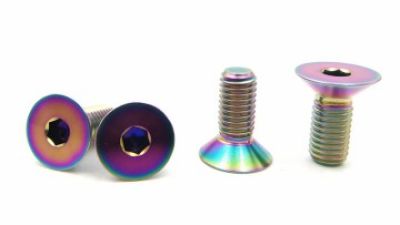
When it comes to enhancing the performance and aesthetics of your motorcycle or bicycle, selecting the right hardware is crucial. Grade 5 titanium countersunk head bolts stand out as a superior choice due to their impressive strength-to-weight ratio and exceptional corrosion resistance. These bolts feature a low-profile, flush design that not only contributes to aerodynamic efficiency but also enhances the overall look of your panels. They are specifically engineered to meet the demands of lightweight constructions, making them ideal for both high-performance motorcycles and bicycles.
Available in sizes ranging from M5 to M8 and lengths between 10 to 25 mm, these titanium bolts cater to a wide range of applications. The hex socket drive type ensures easy installation and a secure fit, which is particularly important when dealing with high-speed conditions. Furthermore, these bolts can be finished in a variety of colors—such as blue, gold, or a natural polished look—allowing you to choose a style that reflects your personal taste or matches your vehicle's aesthetic. Whether you're upgrading existing hardware or building a custom bike, grade 5 titanium countersunk head bolts provide an optimal blend of functionality and style.
FAQS
: The main focus is understanding specific practices and their impact.
They influence behavior and decision-making significantly.
Yes, but some may find it challenging to apply them consistently.
Yes, many believe these practices are overly simplistic.
Success can be measured through personal reflection and observed outcomes.
Overconfidence can lead to neglecting key details.
Yes, many articles and guides exist for deeper understanding.
No, results typically require time and ongoing effort.
It’s normal to feel frustrated; reflection can help identify improvement areas.
Absolutely, flexibility is often necessary for successful applications.
Conclusion
A Titanium Wide Head Bolt is a specialized fastener known for its larger head design, which provides enhanced grip and stability. Made from titanium, these bolts combine lightweight properties with exceptional strength and corrosion resistance, making them ideal for demanding applications in industries such as aerospace, automotive, and marine. The unique design features of the wide head offer advantages such as improved torque capabilities and easier handling during installation.
The use of Titanium Wide Head Bolts continues to grow as industries seek to balance performance with weight savings. They outperform traditional materials like steel and aluminum in various aspects, including durability and resistance to fatigue. As the technology surrounding titanium fasteners evolves, innovations are anticipated that will further enhance their functionality and expand their applications, solidifying their role in future engineering designs.