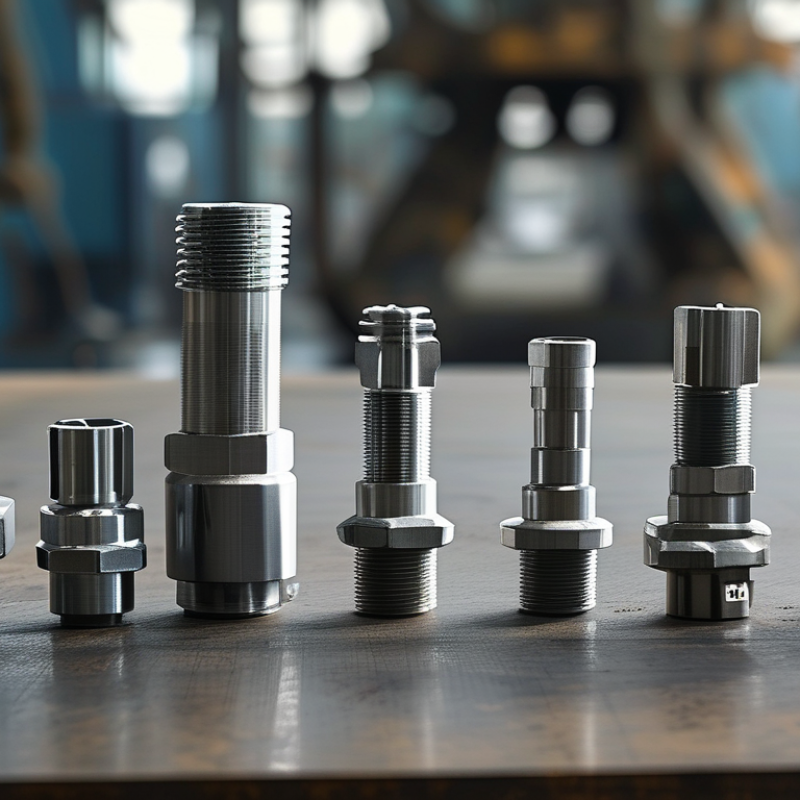
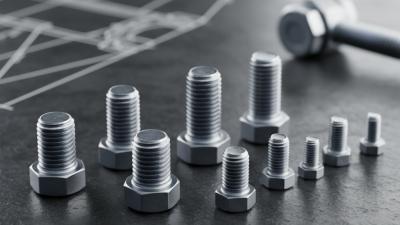
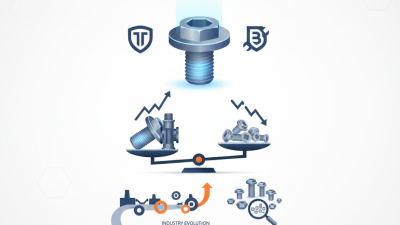
In today’s engineering world, you’ll find that Titanium Fasteners are pretty essential for a bunch of different projects. People love them because they’re incredibly strong but still lightweight, plus they resist corrosion really well. Industries like aerospace, automotive, and marine are increasingly turning to these fasteners. Companies like TitanFast offer top-notch options that are tailored for specific needs. When you’re picking materials, it’s really important to think about how they’ll perform over the long haul—no one wants to change fasteners every couple of years!
What are Titanium Fasteners? A Comprehensive Overview
Titanium fasteners are components made from titanium—a lightweight, strong metal. They play a critical role in various industries, including aerospace, automotive, and medical. These fasteners exhibit excellent corrosion resistance, making them ideal for harsh environments. Their ability to withstand extreme temperatures adds to their reliability, enhancing the longevity of projects.
The unique properties of titanium fasteners stem from the metal's atomic structure. Unlike steel, titanium has a lower density but maintains similar, or even superior, strength. This quality allows engineers to reduce overall weight without sacrificing performance. Despite their advantages, titanium fasteners can be challenging to work with. The machining process can be complex and may require specialized tools. It’s essential to consider these factors when incorporating them into projects.
Choosing the right fastener impacts the project's success. While titanium fasteners may come at a higher price point, their durability can lead to cost savings over time. Investing in reliable materials ultimately safeguards your project’s integrity. However, careful selection and proper installation are crucial to maximizing their potential.
Key Properties of Titanium That Make It Suitable for Fasteners
Titanium fasteners are gaining traction in various industries due to their exceptional properties. Titanium possesses a high strength-to-weight ratio, making it ideal for applications where reducing weight is crucial. According to a report by the International Titanium Association, titanium's tensile strength is comparable to that of steel while being 45% lighter. This quality is particularly beneficial in aerospace and automotive sectors, where efficiency is paramount.
Corrosion resistance is another key attribute of titanium. This material can withstand harsh environments, including marine and chemical exposure. Studies indicate that titanium can resist corrosion in saltwater, making it a preferred choice for offshore and coastal applications. With over 75% of the titanium fasteners used in these environments lasting significantly longer than traditional materials, this property cannot be overlooked.
Thermal stability is also noteworthy in titanium fasteners. They can maintain their performance across a wide temperature range. This reliability is crucial in engines and high-temperature applications. Despite these advantages, titanium can be more expensive and challenging to work with. Proper training and equipment are necessary for optimal use. This complexity can deter some projects from utilizing titanium, leading to missed opportunities for enhanced performance and longevity.
Applications of Titanium Fasteners in Various Industries
Titanium fasteners play a crucial role in various industries due to their outstanding properties. In aerospace, for instance, they are vital for reducing weight while maintaining strength. According to a report by the International Journal of Aerospace Engineering, using titanium can improve fuel efficiency by up to 10%. This is critical for modern aircraft, which prioritize lightweight designs.
Similarly, in the medical field, titanium fasteners are ideal because they resist corrosion and are biocompatible. They are often used in surgical implants, ensuring durability and safety.
In the automotive sector, manufacturers increasingly rely on titanium for performance components. A recent study revealed that titanium components can enhance a vehicle’s performance by increasing stiffness while reducing overall weight. This allows for better fuel efficiency and handling. Furthermore, the construction industry benefits from titanium's resistance to extreme weather, making it suitable for fasteners in bridges and buildings.
Tips: Consider the specific requirements of your project when choosing materials. Evaluate cost versus performance. Higher initial costs for titanium may lead to savings in maintenance and longevity. Always check industry standards and specifications for fasteners. Make informed choices to ensure project success.
Comparison of Titanium Fasteners vs. Traditional Materials
When comparing titanium fasteners to traditional materials, the differences are significant. Titanium is known for its incredible strength-to-weight ratio. This characteristic makes it suitable for projects where weight savings are critical, such as in aerospace and medical applications. Reports suggest that titanium is nearly 45% lighter than steel while offering comparable strength.
In applications involving corrosion, titanium outperforms traditional materials like stainless steel. It is highly resistant to various chemicals and environmental conditions. For instance, titanium fasteners can endure harsh marine environments, where traditional materials might corrode rapidly. This durability translates into lower maintenance costs and longer service lives for projects.
Tip: Always consider the specific requirements of your project when selecting fasteners. Factors such as load-bearing needs, environmental exposure, and weight constraints matter. In projects requiring precision, Metric Titanium Fasteners prove invaluable due to their uniformity and reliability. They ensure structural integrity and reduce the risk of failure. Choosing the right fasteners is crucial; not all materials align with every project's unique demands.
What is Titanium Fasteners and Why They Matter for Your Projects? - Comparison of Titanium Fasteners vs. Traditional Materials
| Property |
Titanium Fasteners |
Traditional Materials |
| Weight |
Lightweight |
Heavier |
| Corrosion Resistance |
Excellent |
Varies (lower) |
| Strength |
High |
Moderate to High |
| Temperature Resistance |
Good |
Low to Moderate |
| Cost |
Higher |
Lower |
| Applications |
Aerospace, Marine |
General Industrial, Construction |
Cost Analysis: Investing in Titanium Fasteners for Longevity
Investing in Titanium Fasteners can yield significant long-term benefits for various projects. These fasteners are known for their strength, lightweight characteristics, and corrosion resistance. According to the Global Market Insights report, the demand for titanium fasteners is expected to reach over $3 billion by 2028. This demand reflects a growing recognition of the durability and performance benefits they offer.
Cost analysis reveals that while the initial price of
Titanium Alloy Fasteners
may be higher than traditional materials, their longevity can offset upfront costs. Research indicates that titanium fasteners can last up to 10 times longer in corrosive environments compared to stainless steel. Projects in aerospace and marine sectors, where reliability is critical, increasingly prioritize these fasteners.
However, the investment decision requires careful consideration of specific application needs and budget constraints.
Even with their advantages, not every project necessitates titanium fasteners. In some cases, the costs may not justify the benefits. Evaluating the exact requirements and expected lifespan of fasteners can provide clarity. For instance, in lower-stress applications, standard fasteners might suffice. A detailed cost-benefit analysis is essential to determine when Titanium Alloy Fasteners align with project goals and cost projections.
Industry Standards and Regulations for Titanium Fasteners
When discussing titanium fasteners, it is essential to consider industry standards and regulations. These guidelines ensure that all titanium components meet rigorous safety and performance criteria. For instance, the Aerospace Material Specifications (AMS) lay out specific requirements for the use of titanium. Compliance with these standards is crucial for industries where safety is paramount.
Using CNC Titanium Fasteners can enhance durability and reduce weight for various applications. However, manufacturers must adhere to strict regulations during production. This includes material traceability, testing, and quality control measures. It is not enough to simply source titanium; understanding the entire production process is critical. Some producers may cut corners, which can lead to failures in the field.
Moreover, consistent upgrades in regulations reflect changes in technology. Manufacturers need to stay informed about revisions. This continuous learning emphasizes the importance of reliable sourcing. Customers must be vigilant and ask questions about compliance. While many companies claim adherence to standards, verification is vital. Overall, recognizing the importance of industry regulations fosters a safer environment for all involved.
Future Trends and Innovations in Titanium Fastener Technology
Future trends in titanium fastener technology highlight the growing demand for lightweight, durable materials in various industries. Innovations increasingly focus on enhanced corrosion resistance and mechanical properties. These advancements enable engineers to design more effective and reliable structures. As manufacturers improve production techniques,
Custom Titanium Fasteners
are becoming more accessible. This flexibility allows for intricate designs tailored to specific project needs.
One noticeable trend is the integration of 3D printing in titanium fastener production. This technology allows for rapid prototyping and customization. It also reduces waste significantly, making the process more environmentally friendly. As this technology evolves, it could reshape how we conceive and use titanium fasteners in future projects.
Tip: Always consider your project requirements before selecting titanium fasteners. Understanding your needs ensures the right choices. Spending resources on unnecessary parts can be wasteful. Reflect on the specifications that matter most for your application. Titanium fasteners will continue to gain traction as new methods emerge. Staying updated is essential for any engineering professional.
Exploring the Benefits and Applications of Grade 5 Titanium Flower Head Flange Bolts in Motorcycles and Bicycles
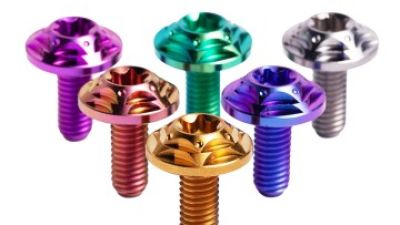
Grade 5 titanium flower head flange bolts are revolutionizing fastening solutions in the motorcycle and bicycle industries. Designed with both functionality and aesthetics in mind, these high-precision fasteners feature a distinct flower-shaped head that not only enhances the visual appeal of the hardware but also provides a practical solution for various applications. The integrated flange eliminates the need for additional washers, streamlining the assembly process and ensuring a cleaner look in visible hardware applications.
These bolts are constructed from Grade 5 titanium (Ti-6Al-4V), known for its superior strength-to-weight ratio and corrosion resistance. Available in multiple sizes, from M5 to M10, and lengths ranging from 10 to 60 mm, they cater to a variety of needs, making them an ideal choice for those looking to elevate the design of their motorcycles or bicycles. The versatility in drive types, such as Torx drive, coupled with a range of finish options, including natural, gold, black, and even vibrant colors like burnt blue and rainbow, allows for customization that can match any style preference. With a minimum order quantity of just 100 pieces, these bolts are easily accessible for manufacturers and enthusiasts alike, ensuring that quality and aesthetics are never compromised in visible fastening solutions.
FAQS
: Titanium fasteners are lightweight, strong components made from titanium metal.
They offer excellent corrosion resistance and can withstand extreme temperatures, enhancing reliability.
Titanium has lower density than steel but maintains similar or better strength.
Machining titanium can be complex and may require specialized tools.
Careful selection and installation maximize the fasteners' potential and ensure project success.
Yes, while initially more expensive, their durability can lead to savings over time.
They are used in aerospace, automotive, medical, and construction industries.
They help reduce weight, improving fuel efficiency in aircraft designs.
They are biocompatible and resistant to corrosion, making them suitable for surgical implants.
They enhance vehicle performance by increasing stiffness and reducing weight for better efficiency.
Conclusion
Titanium fasteners are specialized fastening components made from titanium, renowned for their exceptional strength-to-weight ratio and corrosion resistance. This comprehensive overview highlights the key properties of titanium that make it an ideal choice for various applications, particularly in industries such as aerospace, automotive, and medical. Compared to traditional materials, titanium fasteners offer enhanced durability and longevity, justifying their higher initial cost as a long-term investment.
Additionally, the article discusses the industry's standards and regulations governing titanium fasteners, ensuring they meet stringent safety and performance criteria. As technology advances, innovations in titanium fasteners are expected to emerge, further enhancing their effectiveness and expanding their applications. Overall, titanium fasteners are crucial for projects requiring reliable and efficient fastening solutions, positioning them as a valuable asset in modern engineering and manufacturing practices.