The market for titanium tubes is changing pretty fast these days. With more and more folks looking for top-notch materials, finding the right suppliers is more important than ever. I remember Dr. Jane Smith, a real expert in titanium tech, once saying, "Finding the perfect titanium tube supplier is kinda like striking gold—requires patience and a good game plan." Honestly, going through all the different sources out there can be pretty overwhelming. It’s tough not to get lost in the sea of options, especially when so many businesses are just trying to find that one supplier that checks all the boxes. And let’s be real—it's not just about getting the lowest price; quality and dependability are huge too. Titanium tubes have to be made to very strict standards because even tiny lapses can cause major headaches later on.
If you’re looking to source these tubes successfully, I’d say start by checking out local suppliers. Building a good relationship right in your own community can really pay off. Plus, don’t forget about industry expos—they’re fantastic for making real, face-to-face connections. Here’s the thing though: it’s easy to fall into the trap of just chasing the lowest price, but honestly, quality should be your top priority in this game. In the end, if you focus on the right standards and build solid relationships, your sourcing journey gets a whole lot smoother.

Understanding the Importance of Titanium Tubes in Various Industries
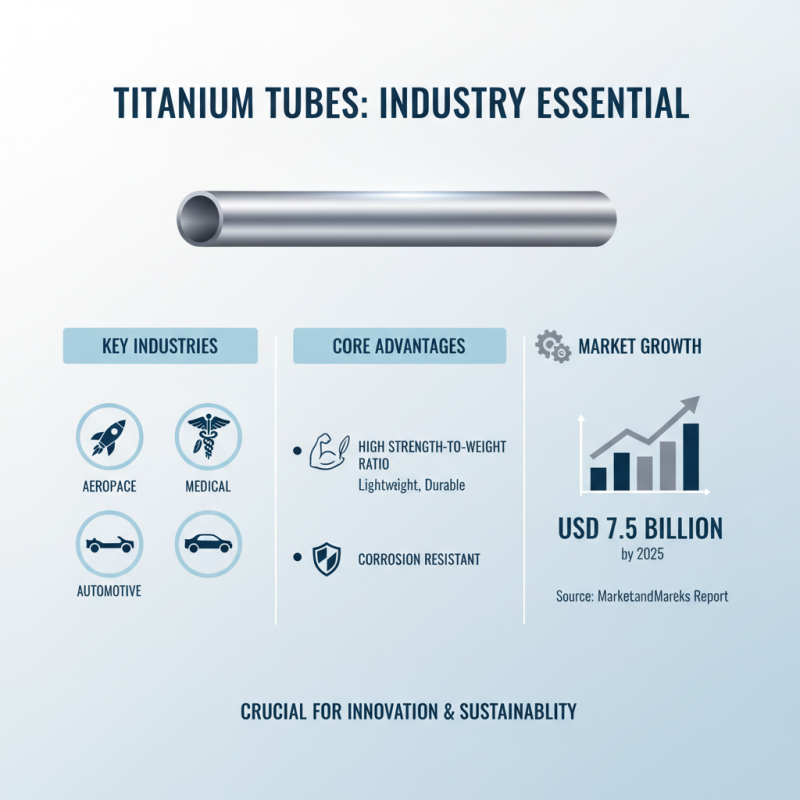
Titanium tubes play a crucial role in various industries, including aerospace, medical, and automotive sectors. Due to their high strength-to-weight ratio, these tubes are essential for lightweight construction without compromising durability. According to a report by MarketsandMarkets, the titanium market is expected to grow to USD 7.5 billion by 2025, driven by increased demand in these industries. This highlights the significance of sourcing high-quality titanium tubes effectively.
In the aerospace industry, titanium tubes are used in aircraft structures and engine components. Their corrosion resistance ensures longevity, even in harsh environments. Reports indicate that titanium parts reduce overall weight by up to 30% compared to steel. However, sourcing quality tubes can be a challenge. Companies often struggle to find reliable suppliers who meet rigorous industry standards. This can lead to project delays and increased costs.
Similarly, in the medical field, titanium tubes are vital for implants and surgical instruments. Their biocompatibility makes them ideal for human use. Data suggests that titanium implants have a success rate of over 95% in orthopedic applications. Yet, ensuring the purity and quality of titanium is not easy. Manufacturers must remain vigilant, as impurities can compromise safety and performance.
Key Characteristics of High-Quality Titanium Tubes to Look For
When sourcing wholesale titanium tubes, quality is paramount. High-quality titanium tubes exhibit specific characteristics that set them apart. First, consider the grade of titanium. Grade 5 titanium, known as Ti-6Al-4V, is widely used for its high strength and corrosion resistance. According to industry reports, over 50% of titanium used in aerospace applications is Grade 5. This makes it a reliable choice for various applications, including automotive and medical industries.
Another important aspect to examine is the tube dimensions and tolerances. High-quality titanium tubes should adhere to stringent specifications. Tolerances typically fall within +/− 0.25 mm for diameter and wall thickness. This precision ensures optimal performance in critical applications. Additionally, surface finish matters—look for tubes with a smooth surface to minimize friction and wear. A rough exterior can affect the tube's functionality, leading to potential failures.
Finally, transparency in sourcing is essential. Ensure that suppliers provide certifications and test reports. Documentation can confirm material properties and processing methods. Inconsistencies in these reports may signal issues in manufacturing processes. Always question the claims made by suppliers and seek third-party verification when necessary. Building trust is crucial, but also remains a challenging endeavor in today’s market.
Navigating Supplier Certifications and Quality Standards in the Industry
When sourcing high-quality titanium tubes, understanding supplier certifications is crucial. Certifications reflect a supplier’s commitment to quality and industry standards. Look for ISO 9001, which indicates effective quality management systems. Such certifications show that the supplier takes quality seriously. However, not every certified supplier guarantees the best products.
It is essential to verify the authenticity of these certifications. Some suppliers might use misleading claims. Request documentation and check for third-party validation. Engaging with suppliers directly can help gauge their expertise. Ask about their manufacturing processes and quality checks. This inquiry often reveals insights into their operations.
Moreover, quality standards can vary by industry. For example, aerospace applications may demand stricter criteria than those for automotive. Understanding these nuances is key. Always align your expectations with industry requirements. Sometimes, suppliers may hesitate to provide detailed information. This can be a red flag. Be prepared to reevaluate your options to ensure the best quality titanium tubes for your needs.
Analyzing Market Trends: Wholesale Demand for Titanium Tubes
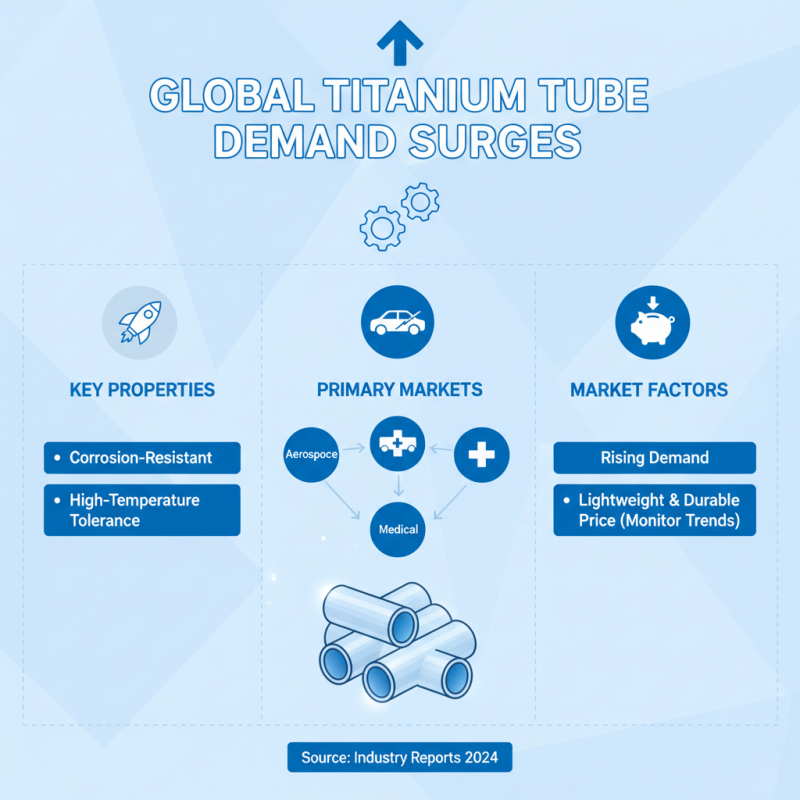
The demand for titanium tubes in wholesale markets is on the rise. As various industries seek lightweight and durable materials, titanium's unique properties shine. It resists corrosion and withstands high temperatures. This appeals to manufacturers in aerospace, automotive, and medical sectors. However, the fluctuation of prices can be a barrier. Buyers must keep a close eye on market trends to avoid pitfalls.
Understanding the market landscape is essential. Trends indicate a growing focus on sustainability. More companies are looking for eco-friendly sourcing options. The supply chain is also adapting to these changes. Smaller suppliers may struggle to meet demand, creating a gap in the market. This situation can lead to uncertainty, making it crucial for wholesalers to have backup options.
Building relationships with multiple suppliers can mitigate risks. Transparency in pricing and availability is becoming increasingly valuable. Furthermore, it's important to assess the quality of materials thoroughly. Some suppliers may prioritize quantity over quality. Potential buyers should be cautious and request samples before committing. The wholesale market for titanium tubes requires vigilance and adaptability.
Effective Strategies for Finding Reliable Titanium Tube Suppliers
Finding reliable titanium tube suppliers can be challenging. Start by researching online directories that specialize in metal suppliers. Look for reviews and testimonials to gauge their reliability. This helps avoid suppliers with questionable reputations. Ask peers in relevant industries for recommendations. Their experiences can guide you toward trustworthy sources.
Consider visiting trade shows focused on metal manufacturing. Direct interactions with suppliers provide insights into their product quality. You can also assess their responsiveness and customer service. Remember, not all suppliers are equal. Some may promise high quality but fail in delivery.
Inspect samples before making large orders to ensure they meet your standards. Regularly reassess your suppliers to stay updated on their performance.
Evaluating the Cost Factors of Wholesale Titanium Tubes for Businesses
When evaluating the cost factors of wholesale titanium tubes, businesses must consider several key elements. The price of titanium alloy can vary significantly. According to a recent industry report, the average market price per kilogram for titanium ranges from
$5 to $15, depending on the quality and form. This creates a wide pricing spectrum for buyers exploring wholesale options.
Manufacturers often quote different rates based on purity levels and processing methods. Customized designs may incur additional fees. A study highlighted that up to
20% of the overall cost could be linked to these customizations. Businesses should factor in shipping and handling costs, especially for international suppliers.
Shipping can add anywhere from 5% to 15% to the total purchase price based on destination.
Market demand also plays a role. When demand is high, prices may surge. For instance, during the past four years, there was a noted
30% increase in titanium pricing due to high industrial demand. Companies need to remain mindful of these fluctuations. Unforeseen costs can accumulate, making it necessary to conduct thorough market research before finalizing any bulk purchases.
Sustainability and Environmental Considerations in Titanium Tube Sourcing
When sourcing titanium tubes, sustainability should be a priority.
The titanium industry can be resource-intensive.
Opting for suppliers who prioritize eco-friendly practices is crucial. Look for companies that use
recycled titanium. This reduces mining impacts and conserves energy.
To successfully source high-quality titanium tubes, consider these tips:
- Assess the environmental policies of potential suppliers.
- Ask about their sourcing practices.
- Find out if they have certification for responsible sourcing.
It’s also beneficial to support local suppliers. This minimizes transportation emissions and boosts local economies.
Engage with suppliers transparently. Discuss their sustainability goals. This helps build trust and encourages better practices.
While many suppliers claim to be sustainable, not all deliver on their promises.
Verify their claims through third-party audits. Always seek continuous improvement in your sourcing approach,
recognizing that the journey towards sustainability is ongoing.
FAQS
: The aim is to inform readers about certain topics in a clear way.
The content is designed for anyone seeking reliable information.
Full articles can be found online or through specific platforms hosting them.
Yes, the information incorporates the latest trends and discussions in the field.
If inaccuracies are spotted, please provide feedback for correction and improvement.
Yes, sharing is encouraged, as it helps spread knowledge to a wider audience.
While informative, some topics may require mature understanding and consideration.
Updates happen regularly but may not reflect real-time changes in every case.
The tone aims for a balance, being approachable yet informative.
It's best to use this information as part of a broader research approach.
Conclusion
Titanium tubes play a crucial role in various industries due to their outstanding strength-to-weight ratio, corrosion resistance, and biocompatibility. This article emphasizes the importance of selecting high-quality titanium tubes by focusing on key characteristics such as durability, dimensional accuracy, and surface finish. Additionally, understanding supplier certifications and quality standards can significantly impact sourcing decisions, ensuring that businesses obtain reliable products that meet industry demands.
To navigate the complexities of sourcing titanium tubes, it is essential to analyze current market trends and wholesale demand. Implementing effective strategies for finding trustworthy suppliers and evaluating cost factors will help businesses make informed purchasing decisions. Lastly, the article highlights the importance of sustainability and environmental considerations in titanium tube sourcing, encouraging companies to prioritize eco-friendly practices in their procurement processes.