In the highly competitive world of hardware, the market for Titanium Decorative Bolts has really started to pick up steam. Industry veteran John Smith from TitanFast Corp. points out, “You can’t beat the visual appeal of titanium when it comes to design.” This really drives home the idea that blending style with function is key.
These titanium decorative bolts aren’t just about holding things together—they actually boost the look of a bunch of different projects. It’s pretty clear that customers are after products that are both stylish and tough. The growing demand for these bolts shows how important it is for companies to have a good handle on pricing and market trends.
That said, it’s not all smooth sailing. Finding top-quality materials at a fair price can be a real challenge. Manufacturers often have to deal with shifting costs and supply chain hiccups. Recognizing these hurdles is crucial—they can help us tweak our strategies and do better. All in all, the potential for growth in the Titanium Decorative Bolt market is definitely there, and it’s worth paying attention to.
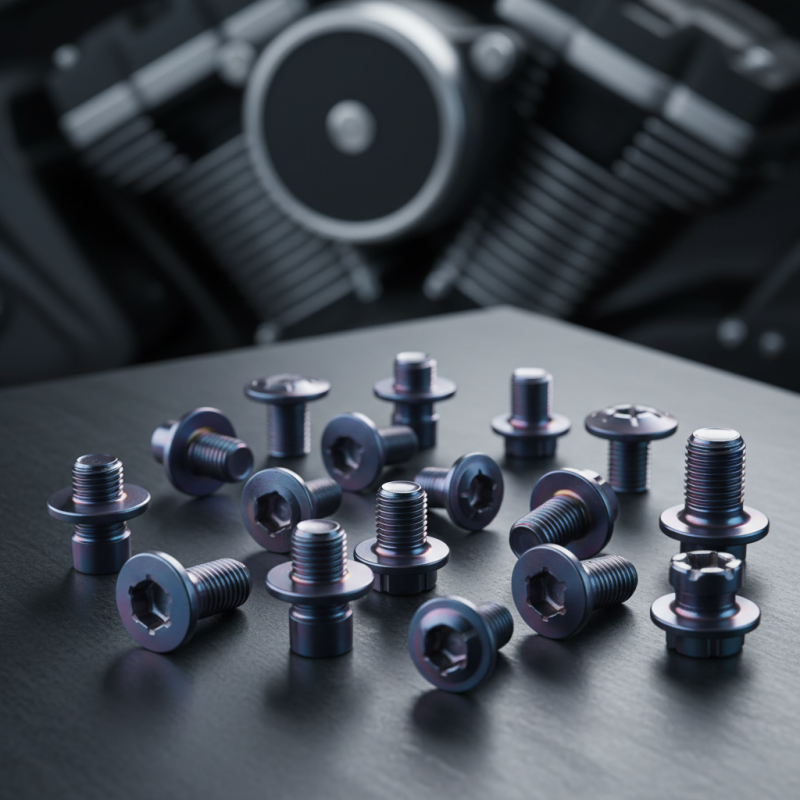
Overview of OEM Wholesale Titanium Decorative Bolts Market
The OEM wholesale titanium decorative bolts market is thriving, driven by a surge in demand across various industries. According to recent reports, the market for titanium bolts is anticipated to grow at a compound annual growth rate (CAGR) of 7% from 2023 to 2028. This growth is influenced by the inherent advantages of titanium, such as its lightweight nature and excellent corrosion resistance. Industries like automotive and aerospace are increasingly adopting titanium for its durability.
One notable trend is the customization of decorative bolts to meet specific consumer needs. Many manufacturers are now offering a variety of finishes and colors. However, challenges remain in achieving consistency across different production batches. Some suppliers struggle with quality control, leading to variations in product appearance. This inconsistency can lead to customer dissatisfaction and impact brand loyalty.
Tips: When sourcing titanium bolts, consider asking for samples. This can help you gauge quality before placing larger orders. Additionally, investigate potential suppliers’ production methods. A transparent manufacturing process often indicates higher quality standards. Staying informed about market trends can also provide a competitive edge, particularly in a fast-evolving landscape like titanium decorative bolts.
Top 10 OEM Wholesale Titanium Decorative Bolt Pricelist Insights
Factors Influencing Titanium Bolt Pricing in Wholesale Transactions
When exploring the factors influencing titanium bolt pricing, several elements stand out. The raw material cost is significant. Titanium is known for its durability and strength, but it can be expensive to source. Market fluctuations impact these expenses. Alongside this, the manufacturing process also plays a role. Different techniques yield varying production costs.
Logistics and transportation cannot be overlooked. Shipping titanium bolts adds to the overall price. Factors such as distance, packaging, and delivery speed matter. Wholesale transactions often include bulk discounts but require minimum order quantities that may not fit every buyer's needs. The nature of the market, including demand for Automotive Decorative Titanium Bolts, also shapes pricing. When trends shift, prices may rise unexpectedly.
Understanding these dynamics can be complex. Buyers must assess their options carefully. Creating a balance between quality and cost is essential. Some products might not meet expectations, leading to financial loss. It’s crucial to stay informed and adapt strategies accordingly. The titanium bolt industry is ever-evolving, and so are its prices.
Key Manufacturers and Suppliers of Titanium Decorative Bolts
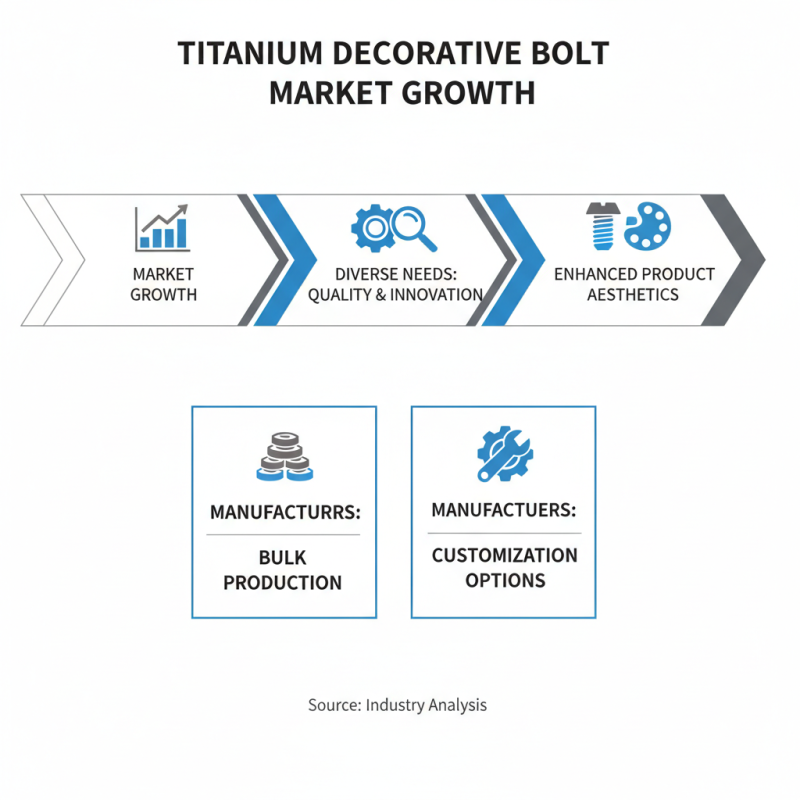
The market for titanium decorative bolts shows growth. Various manufacturers cater to diverse needs. These suppliers focus on quality and innovation. The right bolt can enhance product aesthetics. Some manufacturers specialize in bulk production. Others may offer customization options.
Tips: Research different suppliers. Compare prices and quality. Check reviews before making a decision.
High Strength Decorative Titanium Bolts are popular in several industries. Their durability makes them suitable for many applications. However, not all bolts are created equal. Some might lack the necessary strength or finish. It's wise to ask for samples before purchasing larger quantities.
Finding reliable suppliers is crucial. Many list their products online, making it easier to compare. Look for those with a strong reputation. Remember, cost is important, but quality shouldn't be compromised.
Comparison of Decorative Bolt Designs and Their Applications
Decorative bolts serve as both functional and aesthetic components in various applications. They come in a range of designs, each tailored to specific needs. For instance, smooth, polished finishes can enhance the visual appeal of furniture.
These bolts often support decorative elements without drawing attention away from overall design. Their versatility makes them suitable for different materials, from wood to metal.
The effectiveness of decorative bolts can depend on their design and application. A bolt with intricate patterns may be ideal for artisanal products. However, these complex designs can sometimes compromise strength and durability.
Simple designs might not offer the same level of elegance, but they ensure reliability and functionality. Manufacturers must find a balance between aesthetics and practicality in their products.
Many customers overlook the importance of choosing the right design. It’s essential to consider both visual appeal and functional integrity. Some decorative bolts may not withstand wear and tear over time. This raises questions about their long-term performance.
Ultimately, selecting a decorative bolt requires a thoughtful analysis of both design and application.
Market Trends in Titanium Decorative Bolt Manufacturing
The titanium decorative bolt market has shown significant growth in recent years. According to a recent industry report, the demand for titanium bolts is expected to rise by 5% annually through 2025. This growth is driven by the automotive and motorcycle industries, where weight reduction and durability are essential. The Motorcycle Decorative Titanium Bolt specifically is gaining traction among enthusiasts looking for style and performance.
Manufacturers are now focusing on producing bolts that not only meet strength requirements but also boast aesthetic appeal. The rise of customization trends in motorcycles fuels this demand. Consumers are willing to pay more for unique designs. However, some manufacturers struggle to maintain quality while scaling production. This inconsistency can affect the overall market. Another concern is the fluctuating prices of raw materials, impacting profit margins.
In summary, while the market is poised for growth, challenges remain. The need for durable products continues to intersect with the desire for appealing designs. As competition intensifies, companies must adapt quickly. Staying informed about market trends will be crucial for success in this evolving landscape.
Top 10 OEM Wholesale Titanium Decorative Bolt Pricelist Insights
| Rank |
Type |
Diameter (mm) |
Length (mm) |
Price (USD) |
Market Trend |
| 1 |
Titanium Hex Bolt |
6 |
30 |
0.75 |
Increasing Demand |
| 2 |
Titanium Socket Bolt |
8 |
40 |
1.00 |
Stable |
| 3 |
Titanium Cap Screw |
10 |
25 |
1.25 |
Increasing Demand |
| 4 |
Titanium Flange Bolt |
12 |
50 |
1.50 |
Stable |
| 5 |
Titanium Eye Bolt |
14 |
60 |
1.75 |
Increasing Demand |
| 6 |
Titanium Stud Bolt |
16 |
70 |
2.00 |
Stable |
| 7 |
Titanium T-Bolt |
18 |
80 |
2.25 |
Increasing Demand |
| 8 |
Titanium Lock Bolt |
20 |
90 |
2.50 |
Stable |
| 9 |
Titanium Pan Head Bolt |
22 |
100 |
2.75 |
Increasing Demand |
| 10 |
Titanium Flat Head Bolt |
25 |
120 |
3.00 |
Stable |
Insights into Quality Standards for Titanium Decorative Bolts
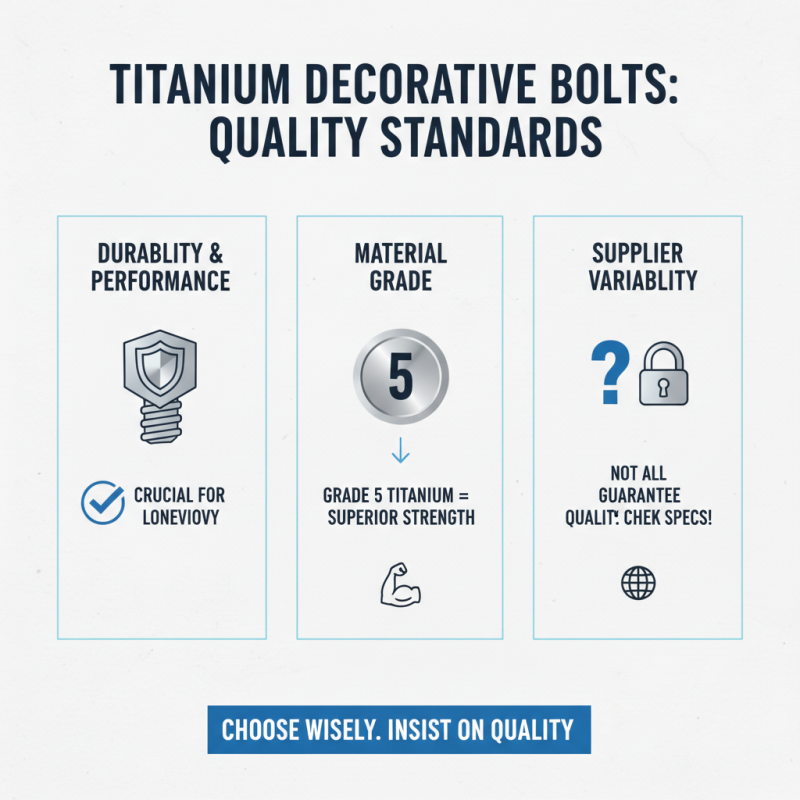
When it comes to Titanium Decorative Bolts, quality standards are crucial. They play a significant role in ensuring durability and performance. The specifications can vary by manufacturer. It's important to pay attention to the grade of titanium used. Grade 5 titanium, for instance, offers excellent strength. However, not all suppliers guarantee this quality.
Inspecting the production process is vital. Methods like forging or machining can influence the final product's integrity. Coatings and finishes also matter. They enhance aesthetics and protect from corrosion. Customers often overlook the impact of surface treatment. Inconsistent applications can lead to variations in quality. Questions about the reliability of materials need to be raised.
Understanding these aspects can prevent costly mistakes. Some buyers focus too much on price. This can lead to compromised quality. A cheaper Titanium Decorative Screw may not meet necessary standards. Ultimately, careful consideration of quality will guide informed purchasing decisions. The balance between cost and standards is essential.
Tips for Selecting the Right Titanium Decorative Bolt Supplier
When selecting a titanium decorative bolt supplier, consider their experience. An experienced supplier often understands client needs better. They should have a track record of producing high-quality products. Ask for references and samples to validate their claims.
Quality control measures are crucial. Suppliers should have clear protocols in place. Look for those who conduct regular inspections and tests. This ensures consistency and reliability. A transparent process is often a good sign of a reputable supplier.
Pricing is another factor to consider. While low prices can be tempting, they may indicate inferior quality. Compare prices but prioritize quality over cost. Sometimes, investing more initially leads to better long-term outcomes. Don't hesitate to ask about warranty or return policies. These can provide peace of mind when making a decision.
Exploring the Benefits and Applications of Grade 2 Titanium Sheet in CNC Machining and Prototyping: Insights from Industry Reports and Data
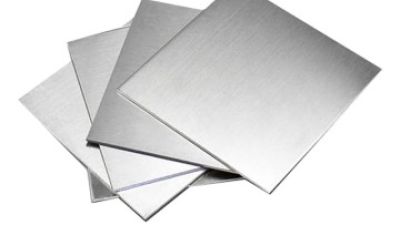
Grade 2 titanium sheet, known for its commercially pure composition, is increasingly becoming a preferred choice in CNC machining and prototyping due to its remarkable properties. With moderate strength and exceptional corrosion resistance, Grade 2 titanium supports various applications in engineering and manufacturing. A report from the Titanium Industries Association noted that titanium's R&D advancements have spurred a 25% increase in its usage across the aerospace and automotive sectors, emphasizing its reliability in critical small parts and fixtures.
Moreover, the easy machinability of Grade 2 titanium simplifies assembly processes, minimizing rework and adjustment needs. Engineered for precision, these sheets are available in thicknesses of 2 mm and 5 mm, along with standard sizes of 100 × 100 mm, which can be customized to meet specific project requirements. The annealed delivery options cater to various manufacturing techniques, including hot and cold rolling, enhancing the material's versatility and appeal in small-batch prototyping, where every detail counts.
The processing capabilities available for Grade 2 titanium sheets, including laser cutting and CNC machining, allow for high precision in creating prototypes and small components. Industry reports highlight an increasing trend toward small-batch fabrication, with a projected growth rate of over 15% in the next five years, as designers and engineers continue to favor sustainable and cost-effective solutions. The minimum order quantity of 10 pieces makes it accessible for workshops looking to innovate without excessive upfront investment, positioning Grade 2 titanium sheets as a crucial element in modern manufacturing processes.
FAQS
: Consider your interests and available time. Choose something you enjoy. Don’t rush; take your time to explore.
Set small goals to achieve. Celebrate each success, no matter how small. Connect with others for support.
Yes, frustration is common. Reflect on what’s difficult. It’s part of the learning process.
Prioritize your tasks and allocate specific time for your hobbies. Be flexible if needed.
Reflecting helps identify areas for improvement. It can also boost your motivation and clarify your goals.
Avoid comparing yourself with others. Everyone learns at their own pace. Focus on your personal growth.
Conclusion
The article titled "Top 10 OEM Wholesale Titanium Decorative Bolt Pricelist Insights" provides a comprehensive overview of the OEM wholesale market for Titanium Decorative Bolts. It delves into the various factors that influence pricing in wholesale transactions, including material quality, manufacturing processes, and market demand. Key manufacturers and suppliers are highlighted, reflecting the competitive landscape of the titanium decorative bolt sector.
Moreover, the article compares different designs of decorative bolts and their specific applications, shedding light on emerging market trends in manufacturing. It emphasizes the importance of adhering to quality standards in the production of Titanium Decorative Bolts, ensuring safety and durability. Lastly, it offers valuable tips for selecting the right supplier, which is crucial for businesses looking to source these specialized components effectively. This comprehensive analysis serves as a valuable resource for stakeholders in the titanium decorative bolt market.