Leave Your Message
-
Phone
-
E-mail
-
Whatsapp
-
Whatsapp

Picking out industrial fasteners isn’t usually just about comparing prices. You might look at two bolts in a catalog and think they’re the same, but once you dig deeper, differences in grade, coatings, thread tolerance, or traceability can really matter. In fact, Grand View Research pegged the global market for industrial fasteners at around USD 84.9 billion in 2023, and they’re predicting this growth will keep going through 2030—thanks largely to construction, automotive, aerospace, and machinery projects. Industry organizations like the American Society of Mechanical Engineers and ASTM International also show us why specs are so crucial. Standards help define things like material strength, size, testing procedures, and resistance to corrosion, which can make all the difference in real-world use.
John H. Bickford, who wrote the book “An Introduction to the Design and Behavior of Bolted Joints,” once said a bolt is “a spring.” Simple as it sounds, that little sentence packs a punch. Basically, a fastener stretches when under load, and the joint responds accordingly. If the preload isn’t just right, it can cause issues like loosening, fatigue, leaks, or even early failure. That’s why the tips in this guide cover a bunch of stuff—like applying the right load, designing threads properly, choosing materials, coatings, tightening torque, qualifying suppliers, and inspecting parts. We even look at more unusual components, like industrial titanium tubes, which need extra attention because they’re susceptible to things like galvanic corrosion and thermal expansion.
But honestly, buying the right fasteners isn’t as simple as checking off a checklist. One tiny washer left out can totally change how a joint behaves. Going for a cheaper coating might be fine until it’s exposed to saltwater. And even familiar suppliers can sometimes slip up and send incomplete certificates. These issues are uncomfortable to think about, but we shouldn’t ignore them. It’s better to test our assumptions than to pretend everything’s perfect. Market reports can give us some guidance, but they can't replace detailed drawings, samples, engineering calculations, or the verification done at each batch. The right fasteners need to match the application, the environment, and be backed by solid evidence. Sometimes, the safest move is to hold off on buying until you’re clear on that one critical detail you’re missing.
Overall, it’s about understanding that responsible purchasing means paying attention to the details and not rushing into a decision just because the price looks right.
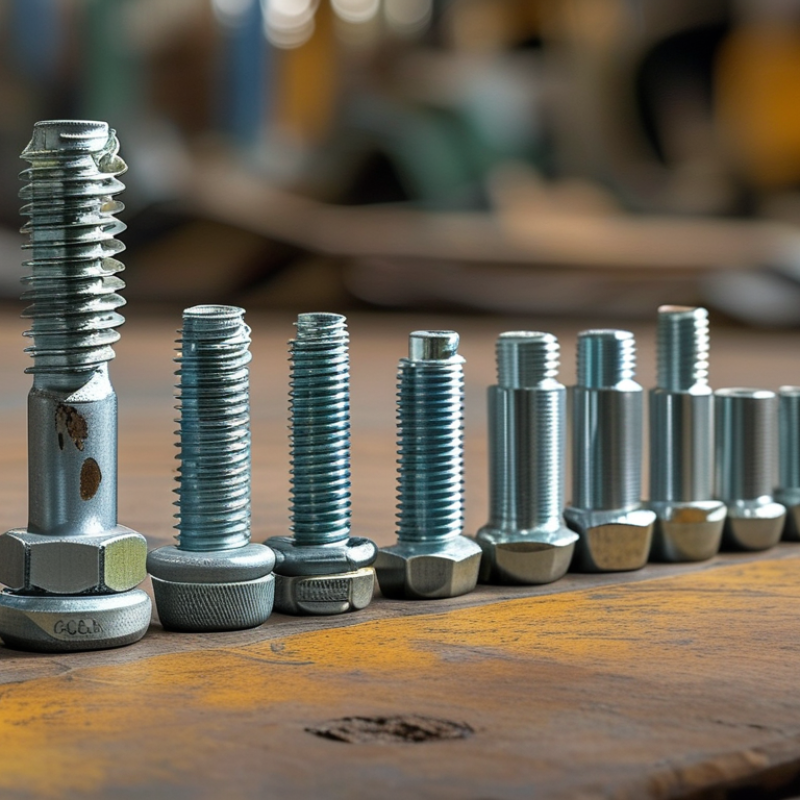
Choosing an industrial fastener starts with the application, not the material name. Define whether you need a bolt, screw, nut, washer, stud, pin, or threaded rod. Each type transfers force differently. A cover plate may need corrosion-resistant screws, while a vibrating machine may require a locking nut and controlled preload. Write down the joint materials, load direction, temperature, moisture, and access for installation.
Industrial Titanium Rod can suit lightweight structures, chemical-processing areas, and applications exposed to saltwater. However, a plain rod is not automatically a finished fastener. Confirm whether it will be threaded, machined into a stud, or used as a locating pin. Specify diameter, length, thread pitch, strength grade, and surface condition. Titanium can also create galvanic concerns when paired with dissimilar metals. Isolation washers may be necessary.
Check the joint in its real working position. A fastener that fits the hole may still fail under vibration, bending, or repeated loading. Review applicable drawings, engineering calculations, and recognized dimensional standards before purchasing. Avoid selecting by price alone. I have seen specifications omit thread engagement and tightening limits, creating avoidable uncertainty. That detail matters. If the application is unclear, pause and clarify the failure risk, installation tools, and inspection method before ordering.
China’s Grade 5 titanium hex bolt suppliers are increasingly aligned with demand from motorcycle, automotive, aerospace, and industrial manufacturers seeking lower weight and dependable corrosion resistance. A leading global titanium market assessment estimates the sector will expand at approximately 6% annually through 2030, supported by lightweight transportation components and high-performance engineering applications. This outlook reinforces the role of Ti-6Al-4V fasteners in assemblies where strength-to-weight ratio and long-term durability are essential.
The featured factory produces CNC-machined titanium hex head bolts in sizes from M3 to M16 and lengths from 8 to 120 mm, with custom dimensions available. Grade 5 titanium offers high tensile performance, strong resistance to moisture and chemicals, and reliable service in demanding environments. Polished, anodized, and PVD-coated finishes provide additional options for appearance, surface protection, and application-specific requirements. For motorcycles and automotive systems, these bolts can help reduce component weight while maintaining secure fastening. Industrial and aerospace assemblies can also benefit from their stable performance under vibration and temperature changes.
A minimum order quantity of 100 pieces supports prototype programs, maintenance requirements, and larger production schedules. With controlled machining and inspection procedures, China-based suppliers can provide consistent specifications for distributors, engineers, and original-equipment assemblers seeking dependable titanium fastening solutions.
: Start with the joint application. A bolt, screw, nut, washer, stud, pin, or threaded rod transfers force differently. Consider load direction, vibration, temperature, moisture, and installation access. A cover plate may need corrosion-resistant screws. A vibrating machine may need a locking nut and controlled preload.
Record diameter, length, thread pitch, strength grade, head style, and surface condition. Also describe the connected materials and expected loads. Do not assume a plain rod is already a finished fastener. It may require threading, machining, or use as a locating pin.
Yes. A correct-looking fastener may fail under bending, vibration, or repeated loading. Review the joint in its real working position. Confirm thread engagement, tightening limits, installation tools, and inspection methods before purchasing.
Verify metric or inch measurements, thread diameter, pitch, direction, and engagement length. Check head thickness, shaft diameter, hole clearance, and manufacturing tolerances. A small mismatch can stop assembly. A thread gauge can reveal the wrong pitch quickly.
Connected parts can accumulate small dimensional differences. These differences may affect alignment, clamping force, or thread engagement. Calculate the total tolerance stack-up, not only each nominal size. I sometimes underestimate this step. That is a mistake worth correcting.
Request applicable dimensional and strength standards, material certificates, inspection reports, and batch traceability. The documents should match the actual production site and delivered batch. Review them carefully. A certificate alone does not prove consistent performance.
Link each box to the purchase order, batch number, production lot, and final inspection record. During receiving, compare markings, labels, certificates, and quantities. Photograph the packaging and thread condition. Keep those records for later investigations.
Coatings can slightly change thread dimensions. Verify the finished thread after coating. Confirm torque requirements with the specified lubricant. Review moisture, saltwater, temperature, and contact with dissimilar metals. Isolation washers may reduce galvanic concerns.
No. A missing certificate can cause reinspection, shipment delays, or field uncertainty. Compare quality controls, testing, calibration records, and nonconforming-material procedures. Price still matters, but it should not lead the decision alone.
Pause the order and clarify the failure risk. Ask how the fastener will be installed, tightened, inspected, and replaced. Consider sample audits or independent testing. Some supplier claims sound complete but lack batch evidence. I would question them before approval.
Buying industrial fasteners requires more than choosing the lowest price. Start by clearly defining the fastener type, intended application, load requirements, installation conditions, and environmental exposure. Then compare materials, grades, strength ratings, and corrosion resistance to ensure the fasteners can perform reliably in service. Carefully verify dimensions, thread specifications, tolerances, and applicable industry standards so every component fits correctly and works safely with existing equipment.
Supplier evaluation is equally important. Review quality-control procedures, certifications, production consistency, and traceability records before placing an order. Compare pricing together with stock availability, minimum order quantities, lead times, and delivery reliability rather than focusing only on unit cost. Before committing to a large purchase, inspect samples and confirm their dimensions, surface condition, and performance under realistic conditions. A careful selection process helps reduce installation problems, prevent premature failure, control long-term costs, and build a dependable supply of industrial fasteners.