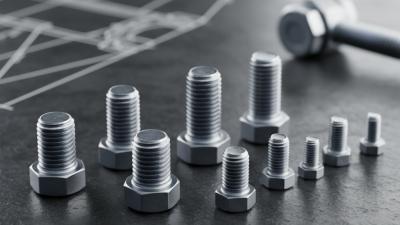
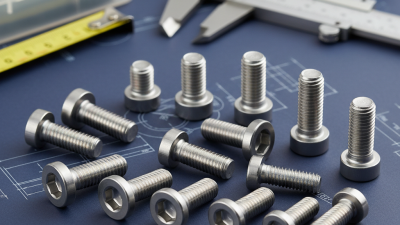
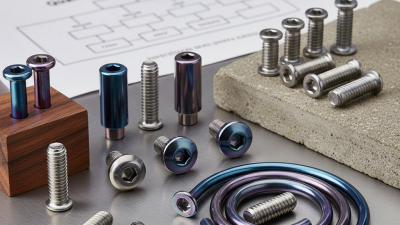
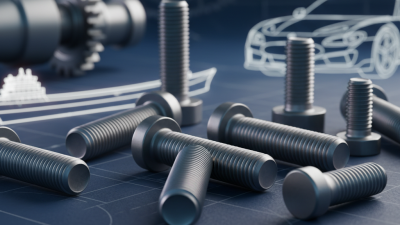
When you're on the hunt for a Titanium Hex Cap Screw, it really pays to understand what you actually need. Titanium screws are pretty amazing — known for their strength, being lightweight, and resisting corrosion like crazy. Did you know that, according to MarketsandMarkets, the global titanium market's expected to hit around $5.57 billion by 2026? That just shows there's a real rising demand for high-performance fasteners like these screws.
Picking the right screw isn't just about size — you also gotta think about what you’re using it for, how much load it'll bear, and whether the material fits your project. For example, industries like aerospace and medical fields love titanium because it’s biocompatible and super tough. But heads up — not all titanium screws are created equal. Some reports even suggest that nearly 30% of titanium fasteners might not meet strict ANSI or ISO standards. So, it's a good idea to carefully choose your supplier and do your homework.
When sourcing Titanium Hex Cap Screws, don’t just go for the cheapest option — focus on quality and trustworthiness. Checking certifications and reading reviews from other users can really help you make smarter choices. Remember, even small decisions about fasteners can make a big difference in how your project turns out. If you really understand what these screws can do (and what they can’t), you’ll be in a much better spot to use them effectively across different applications.

Understanding Titanium Hex Cap Screws and Their Benefits
Titanium hex cap screws are known for their strength and lightweight properties. In industries such as aerospace and automotive, these screws play a critical role. According to a recent report by the Global Titanium Market, the demand for titanium products is projected to grow by 5% annually through 2027. This indicates a rising reliance on titanium fasteners like the Titanium Flange Hex Cap Screw.
One of the main benefits of using titanium hex cap screws is their corrosion resistance. In environments exposed to harsh conditions, these screws outperform traditional materials. Studies estimate that titanium can last up to four times longer than steel in corrosive settings. This advantage reduces maintenance costs and prolongs equipment life, yet many industries still underestimate these benefits.
It’s essential to consider the specific requirements of your application. Titanium hex cap screws come in various grades and finishes. A mismatch can lead to failure. Some reports suggest that improper selection contributes to 30% of hardware failures in mechanical systems. Understanding specifications is vital for ensuring reliability and safety. Take time to evaluate your needs carefully.
Identifying Your Project Requirements and Standards
When selecting the right titanium hex cap screw for your project, understanding your requirements is crucial. Different projects have varying specifications, such as load-bearing capacity, environmental conditions, and material compatibility. According to industry reports, about 30% of fastener failures occur due to incorrect specifications. This highlights the importance of thorough assessment before making a decision.
In harsh environments, consider corrosion resistance. Titanium Cap Screws excel in this area, as they resist both saltwater and chemical woes. For instance, construction applications near coastal areas often benefit from titanium screws, which maintain their integrity over time. Another factor is the screw's strength-to-weight ratio. Titanium offers significant strength without unnecessary bulk, making it ideal for aerospace and automotive applications.
Tips: Always confirm the screw's grade. Common options include Grade 2 and Grade 5, each with specific properties. Check the dimensions and threading; incorrect sizes can lead to failures. Lastly, establish your budget early. Titanium products can vary in price, and clear expectations will help in planning. Testing prototypes can reveal unexpected challenges, such as vibration or thermal expansion issues, which should be addressed before full production.
Evaluating Titanium Grades for Optimal Performance
When evaluating titanium grades, it's essential to understand their specific properties and applications. Titanium is known for its excellent strength-to-weight ratio. However, not all titanium grades are created equal, and this is crucial when selecting a Titanium Allen Cap Screw. Grades 5 and 6, for instance, offer exceptional corrosion resistance and strength, making them suitable for high-performance applications.
Consider the environment in which the screw will be used. Will it be exposed to high temperatures or corrosive substances? Grade 5, with its high tensile strength, is excellent for aerospace applications, while Grade 6, with added aluminum and vanadium, enhances performance in marine environments. However, it also presents some challenges in machining. Many users may overlook machining difficulties, affecting their final product's quality.
Another aspect to reflect on is the finish of the Titanium Allen Cap Screw. A proper finish not only improves aesthetics but also enhances performance in different applications. There's a trade-off between aesthetics and function. Sometimes, a more robust finish might add weight or cost. Achieving the right balance is crucial for optimal performance, and understanding these nuances can lead to better decision-making. Evaluating these factors allows you to choose the right titanium grade tailored to your project's unique needs.
Choosing the Right Titanium Hex Cap Screw: Titanium Grades Comparison
Choosing the Right Size and Thread Pitch
Choosing the right size and thread pitch for a titanium hex cap screw is crucial for your project. Many variables come into play here. The size of the screw should match the application needs. A screw that is too small may shear under pressure. Conversely, one that is too large could damage the materials being joined.
When selecting thread pitch, consider the material type and load requirements. A finer thread can provide better grip in softer materials, while a coarser thread is often more effective in harder substrates. It’s essential to understand how these factors interact. Not every combination will yield the best results.
Tips: Always measure the diameter of pre-drilled holes. This can help you determine the appropriate screw size. If you're unsure about thread pitch, consult a reference chart. It can save time and minimize errors. Experimenting with various sizes and pitches might lead to unexpected, yet effective solutions. Your options are not limited to standard choices; exploring alternatives can enhance your project.
Assessing Coating Options for Corrosion Resistance
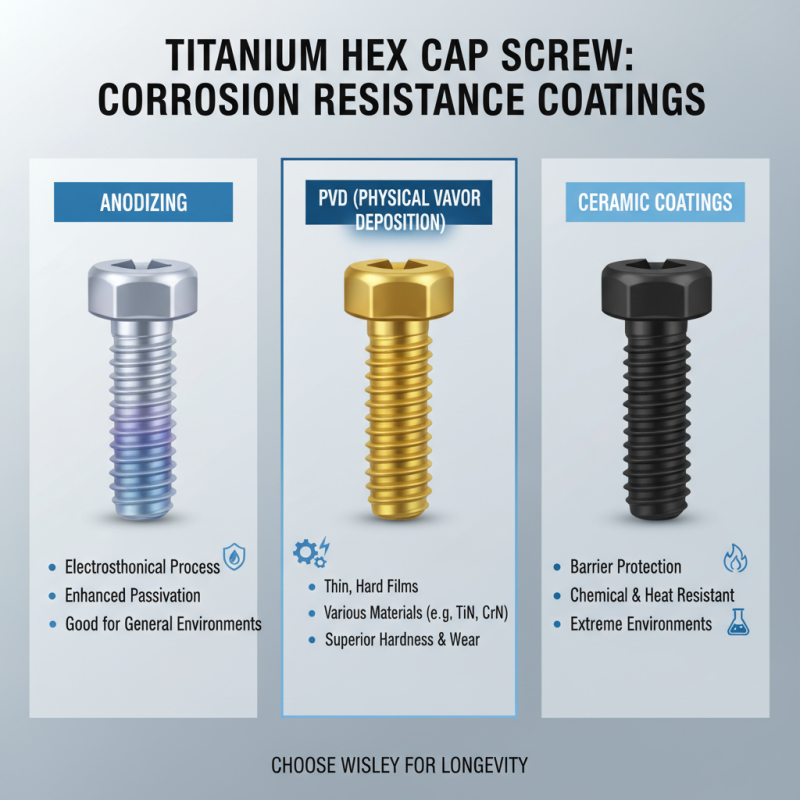
When selecting a titanium hex cap screw, corrosion resistance is crucial. The coating you choose will directly impact the longevity of the screw. Common options include anodizing, PVD (Physical Vapor Deposition), and ceramic coatings. Each has unique properties that can enhance performance in different environments.
Anodizing creates a protective oxide layer. This layer is durable and resistant to wear. However, while it offers good corrosion resistance, it may not suffice in extreme conditions. PVD, on the other hand, provides a robust barrier against corrosion. It's often thinner than anodizing, making it suitable for tighter spaces. Ceramic coatings are also an option that offers excellent corrosion resistance. They can handle harsh chemicals better than other coatings.
Tips: Always consider the operating environment. If the screw faces extreme temperatures or chemicals, choose a more robust coating. Check the coating thickness as it affects both protection and fit. When in doubt, consulting an expert can help guide your choice. Understanding the specifications of a Titanium Socket Head Cap Screw is critical for ensuring its suitability.
Comparing Cost Factors for Titanium Screws
When considering titanium hex cap screws, cost factors play a crucial role. The price of titanium screws can vary significantly based on several elements. Raw material costs are a major player. Titanium is more expensive than steel, which impacts the overall pricing. Many buyers overlook this aspect, yet it greatly affects long-term budgeting.
Another factor is the manufacturing process. Precision machining increases production costs. Additionally, sourcing and availability can lead to price fluctuations. It's essential to compare suppliers to find the best rates. Sometimes, lower costs can indicate inferior quality. Understanding this balance is vital for informed decision-making.
Finally, consider the specific application. Costs may differ based on strength requirements and environmental conditions. Higher-end screws may be necessary for harsh environments. Choosing the right titanium screw involves not only looking at cost but also evaluating reliability and performance. These variables require careful thought. Overall, the focus should be on value rather than just the lowest price. Prioritizing quality ensures better outcomes in the long run.
How to Choose the Right Titanium Hex Cap Screw for Your Needs? - Comparing Cost Factors for Titanium Screws
| Screw Size (Diameter x Length) |
Material Grade |
Finish Type |
Cost per Unit ($) |
Typical Applications |
| M5 x 20mm |
Grade 5 |
Anodized |
1.00 |
Aerospace Components |
| M6 x 30mm |
Grade 9 |
Zinc Coated |
1.50 |
Marine Applications |
| M8 x 40mm |
Grade 2 |
Plain |
2.00 |
Automotive Parts |
| M10 x 50mm |
Grade 12 |
Black Oxide |
2.50 |
Industrial Machinery |
Exploring Supplier Options and Quality Assurance
When selecting titanium hex cap screws, exploring supplier options is critical. Not all suppliers guarantee the same quality. It’s essential to research their reputation within the industry. Look for suppliers with certification in quality management systems. This is a good indicator of their commitment to product reliability.
Quality assurance should be a priority in your decision-making process. Request documentation that verifies the material grade and mechanical properties of the screws. Some suppliers offer independent third-party testing. This adds an extra layer of confidence in their products. Be cautious, as not all suppliers may provide thorough testing information. A lack of transparency can lead to issues later on.
Your choice will also depend on your specific applications. Assess the screw's corrosion resistance, strength, and temperature tolerance. Discuss your needs with the supplier. This dialogue can reveal their depth of knowledge and understanding of your requirements. It's also an opportunity to explore any red flags about the products they offer. Quality should never be compromised. When in doubt, seek a second opinion.
Exploring the Benefits and Applications of Grade 5 Titanium Hex Flange Banjo Bolts with Pre-Drilled Safety Wire Holes
In the realm of motorcycle performance and safety, Grade 5 titanium hex flange banjo bolts have emerged as a superior choice for brake and clutch systems. These bolts, constructed from high-strength Ti-6Al-4V titanium alloy, leverage their lightweight properties to reduce unsprung weight, a critical factor in improving motorcycle handling and responsiveness. Industry analyses suggest that reducing unsprung weight by just a few grams can enhance suspension performance, translating to better traction and stability on varying terrains.
One of the standout features of these titanium banjo bolts is the six pre-drilled safety wire holes. This design innovation addresses a common issue faced by riders: the loosening of bolts due to vibration during operation. Research indicates that vibration can lead to mechanical failures and safety hazards, making the use of safety wire an essential practice in high-performance applications. By implementing these pre-drilled holes, motorcycle enthusiasts and racers can ensure a reliable and secure connection, drastically minimizing the risk of bolt loosening.
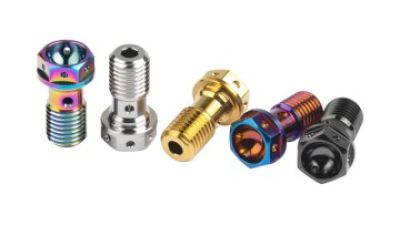
Furthermore, the polished oil passage of these banjo bolts ensures optimal fluid flow, contributing to a consistent brake lever feel—an essential aspect for riders who demand precision and responsiveness from their braking systems. Available in customizable sizes with varied finish options, such as burnt blue or rainbow, these titanium bolts not only provide practical benefits but also allow for personalization in aesthetics. As the aftermarket racing scene continues to evolve, the adoption of such advanced components is likely to increase, reflecting a broader trend towards enhancing both performance and safety in motorcycle design.
FAQS
: Titanium has an excellent strength-to-weight ratio. Its corrosion resistance is notable in many grades.
Consider the application environment. High temperatures or corrosive substances can influence your choice.
Grade 5 titanium excels in aerospace applications due to its high tensile strength.
Yes, grade 6 offers great performance but can be difficult to machine. This might affect the quality.
A proper finish improves aesthetics and performance. There's a trade-off between functionality and looks.
Research suppliers and their certifications. Look for transparency in testing and documentation.
No, not all suppliers guarantee quality. Always verify their reputation and product reliability.
Discuss your needs with them. Their responses can reveal their understanding of your requirements.
Seek a second opinion. Quality should never be compromised, and it's wise to get additional insight.
Conclusion
When selecting a Titanium Hex Cap Screw for your project, it's essential to understand its benefits, such as lightweight strength and corrosion resistance. Begin by identifying the specific requirements and standards of your project, as these will guide your selection process. Evaluating the appropriate titanium grade is crucial for ensuring optimal performance in your application.
Size and thread pitch are also significant factors; ensure you choose the correct dimensions to suit your needs. Assessing coating options may further enhance corrosion resistance, prolonging the lifespan of the screws. Lastly, consider cost factors and explore various suppliers to find quality assurance options that meet your standards. By following these guidelines, you can confidently select the right Titanium Hex Cap Screw for your requirements.