When it comes to taking care of your bike, picking the right bolts really matters. It’s one of those small details that can have a big impact on how safe and reliable your ride is. I spoke with James Thompson, a well-known expert in bike hardware over at CycleFix Solutions, and he put it pretty plainly: "Choosing the right bicycle bolts can totally make a difference in how long your bike lasts and how smoothly it rides." That really drives home the point—knowing the different types of bolts and where they’re used is super important.
Bicycle bolts come in all kinds of materials, sizes, and thread styles, and each of those plays a key role when you’re doing maintenance. Getting the right ones isn’t just about keeping things looking good—it actually helps keep your frame, handlebars, wheels, and other parts sturdy and reliable. Plus, with the right choice, your ride will feel smoother and more dependable. If you know what to look for and take your time, you can trust that your bolts will stand up to everyday riding — even on rough roads.
In this guide, I’ll walk you through the main things to consider when choosing your bike bolts. The goal? To make sure you’re all set to keep your bike in top shape without any stress. By the end, you’ll have a better idea of how to pick the right bolts, so your bike performs better and your whole cycling experience gets a little more enjoyable.
Understanding the Importance of Bicycle Bolts in Bike Maintenance
Bicycle bolts are often overlooked when considering bike maintenance, yet they play a crucial role in ensuring a safe and functional ride. These small but mighty components are responsible for fastening various parts of the bike, including the frame, handlebars, seat, and wheels. Properly selected and maintained, bicycle bolts can prevent mechanical failures that might occur during use, making them vital to both performance and safety. Regular inspections and replacements of bolts can help identify wear and tear, protecting the rider from potential accidents caused by loose or damaged hardware.
Understanding the different types of bicycle bolts available is essential for effective maintenance. Materials, sizes, and threading vary, impacting the bolts' strength and suitability for specific applications. For instance, stainless steel bolts offer corrosion resistance, which is beneficial in wet climates, while aluminum bolts are lighter and can enhance overall performance. Additionally, selecting the correct length and thread type ensures a snug fit, which is paramount for maintaining structural integrity. By prioritizing quality and compatibility in bicycle bolts, cyclists can enhance their bike's reliability, allowing them to enjoy a smoother and safer riding experience.
Identifying Different Types of Bicycle Bolts and Their Uses
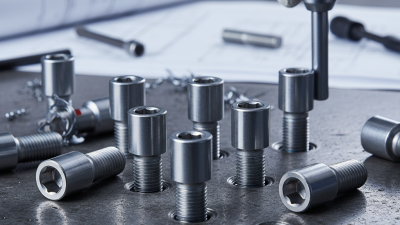
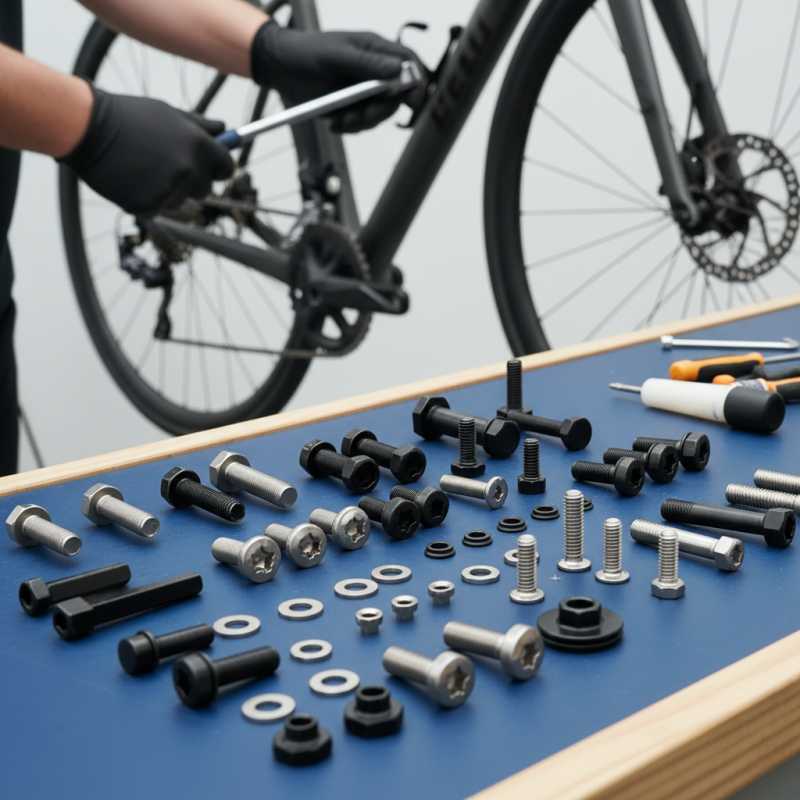
When it comes to bicycle maintenance, understanding the different types of bicycle bolts is crucial for ensuring your bike remains in optimal condition. Bicycle bolts come in various types, each designed for specific components and tasks. For example, hex bolts are commonly used for securing components like the stem and handlebars, offering a sturdy grip that can be tightened with an Allen wrench. These bolts typically have a cylindrical head with a hexagonal recess, making them easy to handle during repairs.
Another important type is the quick-release bolt, mainly found in wheel assemblies. These bolts allow for fast detachment and reattachment of the wheel, which is especially useful for transport or storage. Quick-release mechanisms typically utilize a lever system, providing a balance between security and convenience. Additionally, you may encounter Torx bolts, which have a star-shaped head and are often used for more specialized components, such as disc brakes. The Torx design offers better torque transfer, reducing the likelihood of stripping during installation or removal.
Choosing the right bolts is essential not only for functionality but also for safety. Each type of bolt has its specific torque specifications and intended use, ensuring that parts remain secure during operation. Understanding these distinctions will help you make informed decisions during maintenance, prolonging the life of your bicycle while enhancing overall performance.
Key Considerations When Selecting Bicycle Bolts for Your Bike
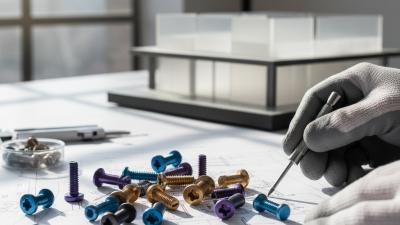
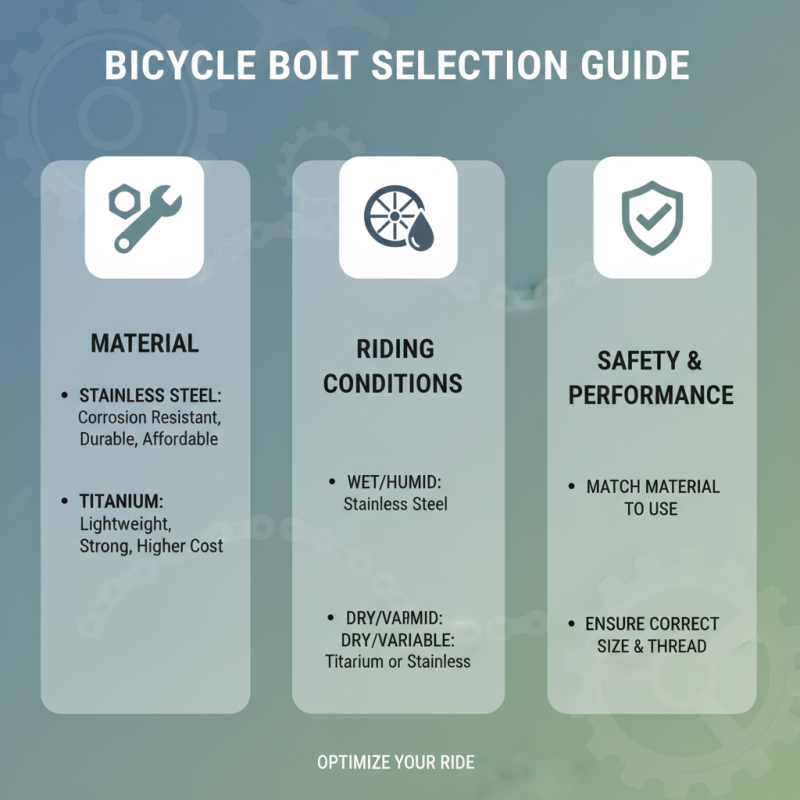
When selecting bicycle bolts for your bike maintenance, there are several key considerations to ensure safety and optimal performance. First, the material of the bolts is paramount. Stainless steel is a popular choice due to its corrosion resistance, making it suitable for various weather conditions. Alternatively, titanium bolts are lighter and provide strength but can be more expensive. It's essential to match the bolt material to your riding conditions to enhance durability.
Another critical factor to consider is the size and thread pitch of the bolts. Each bike model has specific requirements, so referring to the bike's manual or consulting a professional can help you avoid compatibility issues. Pay attention to the diameter and length of the bolts to ensure a snug fit in the designated parts of your bike.
**Tip:** Always keep a selection of spare bolts in different sizes and materials, as you never know when you might need them during roadside repairs or maintenance.
**Tip:** When replacing bolts, use a torque wrench to ensure you’re applying the correct amount of force, which helps prevent damage to the bike and enhances safety.
Considering these factors will empower you to make informed decisions when it comes to selecting the right bolts for your bike maintenance needs.
Material Choices for Bicycle Bolts: Pros and Cons Explained
When selecting bicycle bolts, understanding the material options available is essential to meet your bike maintenance needs. Common materials for bicycle bolts include steel, aluminum, and titanium, each possessing distinct advantages and disadvantages.
Steel bolts are known for their strength and durability, making them suitable for high-stress applications. However, they are also heavier and more prone to corrosion if not properly treated.
On the other hand, aluminum bolts offer a lighter alternative that can enhance performance and speed, but they may not be as robust as their steel counterparts. Aluminum is ideal for weight-sensitive areas, but care should be taken as they can be susceptible to stripping under high torque.
Titanium bolts offer an excellent balance between weight and strength, as they are lightweight yet highly resistant to corrosion. While titanium bolts come with a higher price tag, their long-term durability often justifies the investment for serious cyclists.
Ultimately, the choice of bolt material should reflect your specific biking needs, taking into consideration factors like weight, strength, corrosion resistance, and budget.
Determining the Right Size and Length for Your Bicycle Bolts
When it comes to bicycle maintenance, selecting the appropriate size and length of bolts is crucial for ensuring safety and performance. Bicycle bolts come in various sizes, and understanding the specifications of your bike is the first step in making the right choice. It is essential to refer to your bike’s manual or consult a sizing chart that corresponds to the specific make and model.
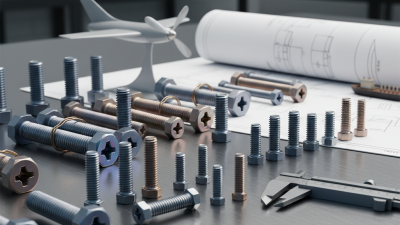
Common bolt measurements can vary widely, from small screws used in derailleurs to larger bolts that fasten the frame components. Taking the time to measure existing bolts or using calipers can ensure you choose the right size.
In addition to size, the length of the bolts is equally important. A bolt that is too long can interfere with other components, while one that is too short may not secure parts adequately. It’s advisable to measure the thread engagement needed for each application. When determining the appropriate length, consider the thickness of the materials being fastened and the type of connection required.
Remember that different parts of your bike may have different requirements, so treating each component as a unique case will help maintain optimal function and safety. Proper bolt selection can significantly improve the longevity and performance of your bicycle.
Tools Required for Installing and Maintaining Bicycle Bolts
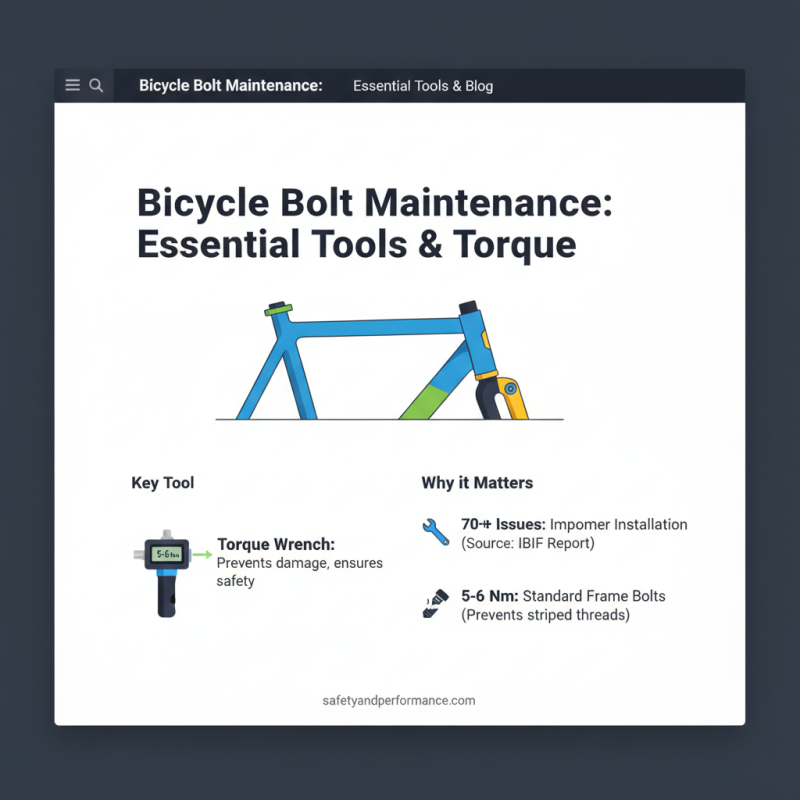
When maintaining your bike, selecting the right tools for installing and maintaining bicycle bolts is crucial for both safety and performance. According to a report published by the International Bicycle Industry Federation, over 70% of bicycle maintenance issues stem from improper installation of components, which often occurs due to inadequate tools. Essential tools include a torque wrench, which ensures that bolts are tightened to the manufacturer’s specifications, thus preventing damage to your frame and components. It is generally advised to maintain torque levels within the range of 5-6 Nm for typical bicycle frame bolts to avoid stripping threads or compromising structural integrity.
Additionally, a hex key set or an Allen wrench is indispensable for most bicycle assembly tasks. These tools allow for easier access to bolts located in tight spaces. The combination of the right hex key sizes and a torque wrench will significantly enhance the efficiency of your maintenance practices. A study by Cycling Weekly indicates that cyclists who utilize proper tools report a lower incidence of mechanical failures during rides. Investing in quality tools not only prolongs the life of your bicycle components but also enhances your overall riding experience, ensuring smooth performance on the road or trail.
Best Practices for Maintaining and Replacing Bicycle Bolts
When it comes to maintaining your bicycle, paying attention to the condition of the bolts is essential for ensuring safety and performance. Regular inspections should be a part of your routine; checking for signs of rust, wear, or stripping can help prevent more serious issues down the line. Bolts should be tightened to their specified torque settings, which can often be found in the bike’s specification manual. Using a torque wrench ensures that you apply the correct amount of pressure, avoiding over-tightening that can damage both the bolt and the component it secures.
Replacing bicycle bolts might be necessary, especially if you notice any deformities or if they have been subjected to excessive stress. When selecting new bolts, ensure they are made from high-quality materials suited for your bike type and intended use. Stainless steel or hardened alloy options are preferable for their durability and resistance to corrosion. It’s also important to match the size and threading of the original bolts to maintain the integrity of the components they attach. Keeping a small selection of spare bolts on hand, particularly for crucial areas like the seat post and handlebars, can save you time and ensure you’re always ready for any necessary repairs or adjustments.
How to Choose the Right Bicycle Bolts for Your Bike Maintenance Needs
| Bolt Type |
Material |
Size (mm) |
Recommended Use |
Torque Specification (Nm) |
| Headset Bolt |
Aluminum |
6 |
Threaded connection for the headset |
5-8 |
| Seat Post Bolt |
Steel |
8 |
Holds seat post in place |
10-12 |
| Brake Bolt |
Titanium |
5 |
To secure brake mounts |
6-8 |
| Derailleur Bolt |
Aluminum |
10 |
Attaches derailleur to frame |
7-10 |
| Pedal Bolt |
Steel |
9/16 |
Secures pedals to crankarm |
30-35 |
Enhancing Performance: The Impact of Gr5 Titanium Flanged Hex Head Bolts on Automotive and Industrial Efficiency — An Analysis of Industry Trends and Data
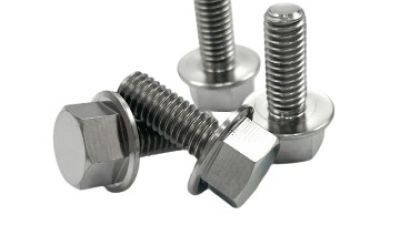
In recent years, the demand for high-performance materials in automotive and industrial applications has surged, significantly impacting efficiency and overall productivity. Among these materials, Grade 5 titanium flanged hex head bolts (Ti-6Al-4V) have emerged as a preferred choice due to their unique combination of high strength, lightweight characteristics, and secure clamping capabilities. With a tensile strength exceeding 900 MPa, these bolts are ideal for motorcycles and automotive upgrades, where minimizing weight without compromising structural integrity is crucial.
Data from industry reports indicate a substantial increase in the adoption of titanium fasteners in the automotive sector. Research shows that utilizing high-strength titanium components can lead to a reduction in overall vehicle weight by as much as 20%, translating into improved fuel efficiency and enhanced performance. Additionally, the flanged design of these hex head bolts ensures a larger bearing surface, which enhances clamping effectiveness and reduces the risk of loosening under vibration—an essential feature for high-stakes applications in industrial machinery and motorsports.
The growing trend of customization in the fastener market has also been observed, with manufacturers offering a wide range of sizes and finish options, including polished, anodized, and PVD coated variants. Companies are increasingly seeking tailored solutions to meet specific engineering demands, driving growth in bulk purchasing of specialty bolts. As industries strive for efficiency, the emphasis on using advanced materials like Grade 5 titanium will likely continue to shape mechanical design and manufacturing practices.
FAQS
: Bicycle bolts are crucial as they secure various parts of the bike, such as the frame, handlebars, seat, and wheels. Proper maintenance of bolts can prevent mechanical failures and ensure a safe and functional ride.
Regular inspections for rust, wear, or stripping are essential. If you notice any deformities or excessive stress on the bolts, it’s time for a replacement.
Stainless steel bolts are recommended for their corrosion resistance, especially in wet conditions, while aluminum bolts offer a lighter alternative that can enhance performance. Choosing the right material is important for durability and suitability.
Regularly inspect your bolts for signs of wear and ensure they are tightened to specified torque settings found in the bike's manual. Using a torque wrench can help achieve the correct tightness without damaging the components.
When selecting new bolts, consider high-quality materials suitable for your bike type, and ensure they match the size and threading of the original bolts for maintaining structural integrity.
Inspections should be part of your regular maintenance routine, making it a good practice to check bicycle bolts frequently for any signs of wear or damage.
A torque wrench is recommended to ensure the correct amount of pressure is applied to the bolts during tightening, preventing over-tightening.
Yes, it's advisable to keep a small selection of spare bolts for crucial areas such as the seat post and handlebars, as this prepares you for necessary repairs or adjustments.
Signs of damaged bolts include rust, wear, stripping, deformities, and any difficulty in tightening or loosening them.
Yes, over-tightening can damage both the bolt itself and the component it secures, which is why it’s important to adhere to specified torque settings.
Conclusion
Bicycle bolts are crucial components that play a significant role in the overall maintenance and safety of your bike. Understanding their importance helps ensure that all parts are secured properly, contributing to an optimal riding experience. Different types of bicycle bolts serve various functions, which must be identified when selecting the right ones for your bike.
Key considerations include the material choices for bicycle bolts, which come with their own set of pros and cons, as well as determining the correct size and length for installation. It's essential to have the proper tools ready for both installation and maintenance to ensure longevity and reliability. Following best practices for the maintenance and timely replacement of bicycle bolts can significantly enhance bike performance and rider safety.