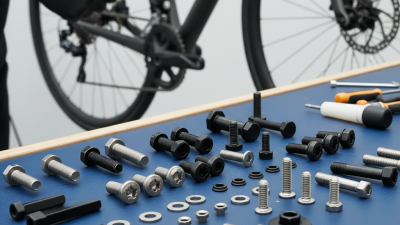
The industrial fasteners market in China is quite a lively and fast-moving scene, with a lot of growth prospects on the horizon. Experts estimate that by 2025, this industry could hit around $29 billion. A big reason for this boom? The increasing need for dependable, high-quality fastening solutions across different sectors like construction, automotive, and aerospace. Companies such as Tiansheng Holding Group and Zhejiang Dingsheng Steel really give us good insight into how the market’s doing.
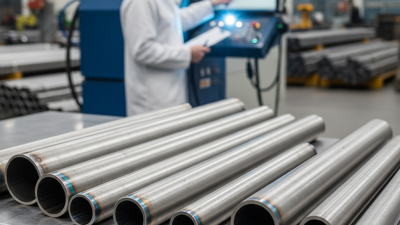
When it comes to quality and standards, they’re absolutely critical in this game. Manufacturers have to meet strict certifications to keep up. Did you know that over 80% of global fasteners are actually made in China? That’s a huge deal — it really cements China’s spot as a leader in this industry. Plus, Industrial Titanium Tube makers are also noticing more demand lately, thanks to their lightweight and corrosion-resistant features.
Of course, China’s strength isn't without its hurdles. Manufacturers are under constant pressure to innovate and uphold quality standards while also keeping costs competitive. The industry also has to navigate international standards, which can make things pretty complex for global buyers. If you’re sourcing fasteners, staying well-informed is absolutely key to making smart decisions and staying ahead of the game.
Overview of Industrial Fasteners in China
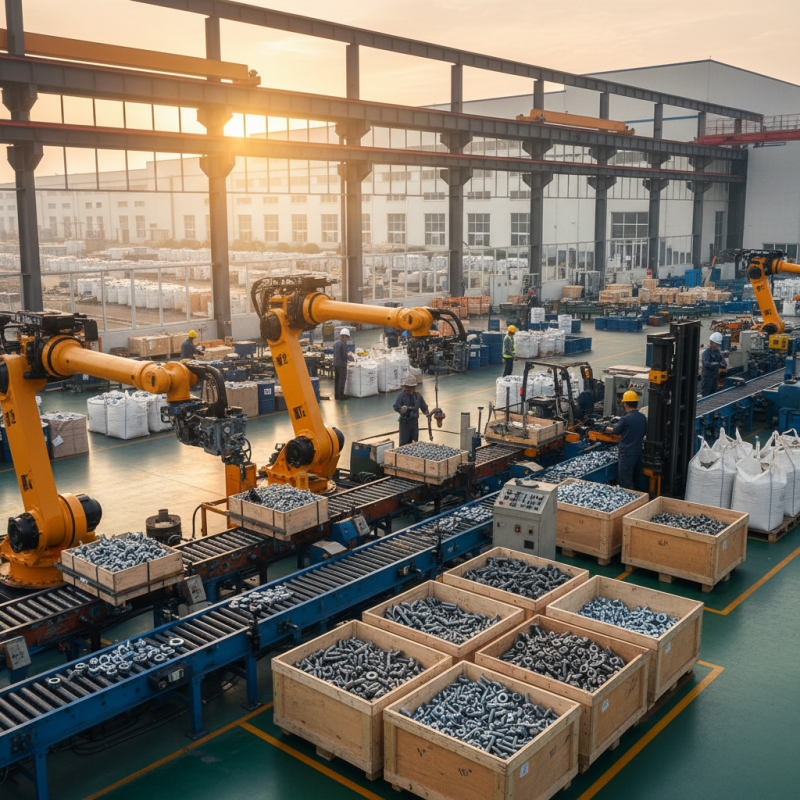
China has become a critical player in the global fastener market. The country is known for its extensive production facilities and skilled workforce. This combination allows manufacturers to produce high-quality industrial fasteners efficiently. Many products include bolts, nuts, screws, and anchors. These items are essential in construction, automotive, and machinery sectors.
The variety of fasteners available in China is impressive. Different materials, including stainless steel, carbon steel, and plastics, are commonly used. Buyers can customize specifications, ensuring that fasteners meet specific needs. However, quality control is a common challenge. Not all manufacturers adhere to the same standards. This inconsistency can affect product reliability and performance.
Global buyers are increasingly seeking suppliers in China. They are drawn to competitive pricing and large-scale production capabilities. Yet, conducting thorough research is vital. Understanding a supplier’s manufacturing processes and quality assurance practices is crucial. Establishing a good partnership with reliable manufacturers can lead to better outcomes. However, buyers should also be wary of counterfeit products, which can have significant implications for safety and functionality.
Key Factors Influencing Fastener Selection for Global Buyers
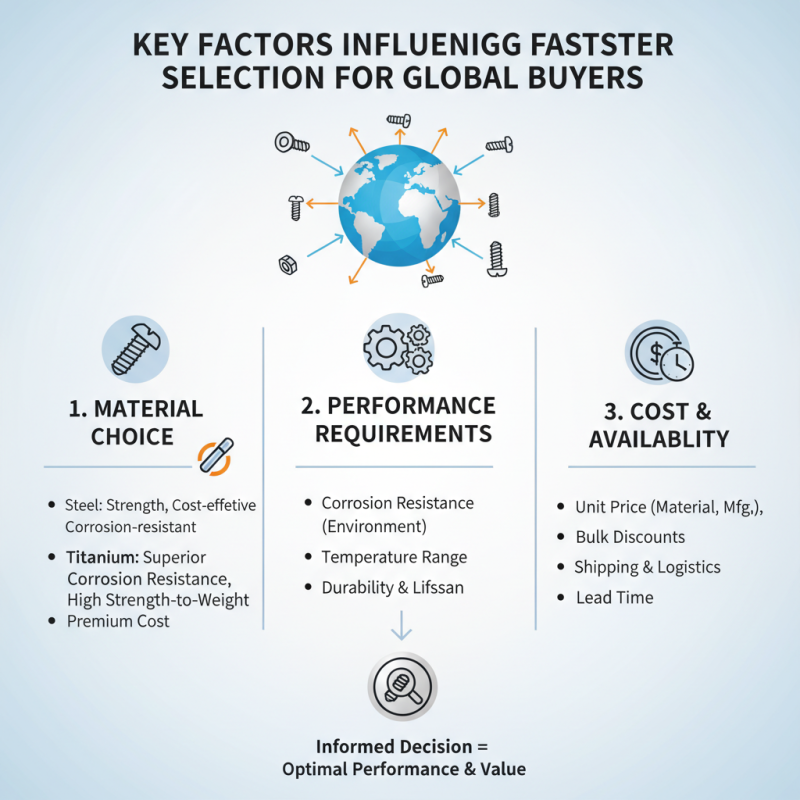
When selecting industrial fasteners, global buyers must consider several key factors. Material choice is one of the most crucial. Fasteners can be made from steel, aluminum, or even Industrial Titanium Rods. Each material comes with its own strengths and weaknesses. For instance, while titanium is known for its corrosion resistance, it can be more expensive compared to steel or aluminum.
Buyers should also think about the application environment. Extreme temperatures, exposure to chemicals, or high-stress conditions can all affect fastener performance. Fasteners must withstand these pressures without failing. Moreover, understanding the specific technical requirements for assembly can prevent future failures.
Cost is another critical factor. While it's tempting to choose the cheapest options, low-cost fasteners may not always deliver reliability. Investing in quality can save time and resources in the long run. There’s a balance to strike between cost and quality. Finally, availability and lead times can influence selection. If a fastener is hard to source, it can disrupt project timelines. Therefore, global buyers should weigh these factors carefully.
Top Manufacturing Regions for Industrial Fasteners in China
China has established itself as a leading manufacturer of industrial fasteners, with several key regions dominating production. The most prominent area is Zhejiang Province, known for its advanced manufacturing facilities and skilled workforce. Cities like Hangzhou and Ningbo play a significant role in producing various fasteners, including bolts and screws. Businesses in these regions focus on innovation and efficiency, but challenges remain in maintaining quality control.
Another critical region is Guangdong Province, which specializes in a wide range of fasteners, including Titanium Fasteners. This province benefits from its proximity to major shipping ports, facilitating global trade. The industry here faces pressure to adapt to international standards. Producers strive for reliable output, yet managing production costs can lead to compromises in quality. Continuous improvement initiatives are vital for companies aiming to meet global buyers' expectations.
In addition, Jiangsu Province should not be overlooked. It plays a crucial role in the fastener supply chain, with a strong emphasis on exports. While many manufacturers in Jiangsu excel in producing high-volume orders, some grapple with customer service challenges. Effective communication with international clients is sometimes lacking, creating obstacles in building lasting partnerships. Identifying and addressing these issues can enhance their reputation in the global market.
Leading Types of Industrial Fasteners Exported from China
China is a prominent player in the global industrial fasteners market. Many buyers seek reliable sources of fasteners for various applications. Among the leading types exported from China, bolts, nuts, screws, and washers are essentials. These fasteners cater to construction, automotive, and manufacturing industries. Each type has its specific use and characteristics.
Ti Fasteners have gained popularity due to their lightweight and corrosion-resistant properties. They are especially favored in aerospace and marine industries. When sourcing Ti fasteners, ensure to evaluate the quality control processes of suppliers. Check certifications to confirm reliability and adherence to industry standards.
It’s wise to consider material certifications and mechanical properties. Often, prices vary significantly, but this doesn’t always signify better quality. Engage with multiple suppliers before finalizing your choice. Don't hesitate to request samples and examine their performance. This step could save costs in the long run by avoiding poor-quality fasteners.
Quality Standards and Certifications for Chinese Fasteners
When considering industrial fasteners in China, understanding quality standards and certifications is crucial.
Chinese manufacturers produce a wide range of fasteners, but not all meet international quality benchmarks. Common certifications include ISO, GB, and ASTM. These certifications ensure that fasteners are made from reliable materials and are suited for various industrial applications.
Tips: Always check the certification of fasteners. Reliable manufacturers display this information transparently. Inquire about the testing methods used and the reliability of their quality assurance processes.
Knowing the material specifications is also important. Fasteners made from low-grade materials can lead to failures in critical applications. A clear understanding of
tensile strength and corrosion resistance can guide buyers.
Tips: Look for detailed product descriptions. Don’t hesitate to ask for test reports from manufacturers. This can help verify compliance with your specific requirements and industry standards.
Emerging Trends in the Chinese Fastener Industry
The Chinese fastener industry is witnessing rapid transformation, driven by technological advancements and growing international demand. According to a recent industry report, the global industrial fastener market is projected to reach $103 billion by 2028, with China playing a crucial role. In 2022, Chinese fastener exports alone accounted for over 40% of the global market share, reflecting both competitive pricing and expanded production capacity.
Emerging trends indicate a shift towards sustainable manufacturing practices. Many manufacturers are investing in eco-friendly production processes to meet international standards. Moreover, advancements in automation are increasing efficiency. Reports suggest that smart factories in China are adopting AI technologies, enhancing precision in fastener production. This not only reduces waste but also improves the overall quality of the products.
Despite these advancements, challenges remain. The industry faces stringent regulations regarding environmental impact. Many companies are struggling to comply with these evolving standards. This situation highlights the need for continuous improvement in compliance practices. Additionally, there is a growing demand for high-quality fasteners, which puts pressure on manufacturers to innovate. Balancing quality, cost, and sustainability is a current struggle for many players in the Chinese fastener market.
Tips for Sourcing Industrial Fasteners from China
When sourcing industrial fasteners from China, understanding the market is crucial. China dominates the fastener industry, accounting for over 70% of global production. Buyers should be aware that quality varies significantly. It's essential to verify suppliers through due diligence. Review their certifications and track record.
Consider the application of specific fasteners. For instance, High-Performance Motorcycle Fasteners require precision and durability. Research shows that using subpar fasteners can lead to safety issues. A 2022 industry report highlighted that improper fastener selection is responsible for 30% of machinery failures in the automotive sector. This statistic underscores the importance of quality assurance.
Make use of trade platforms to connect with verified suppliers. Look for reviews and ratings. Don’t hesitate to request samples for evaluation. The quality of materials, like stainless steel versus low-grade steel, directly impacts performance and longevity. Understanding these nuances can save costs and enhance product reliability.
Maximizing Efficiency and Durability: The Role of Gr5 Titanium Flanged Hex Head Bolts in Performance Vehicles and Industrial Applications
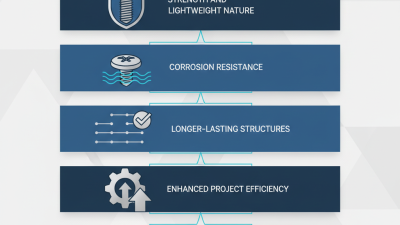
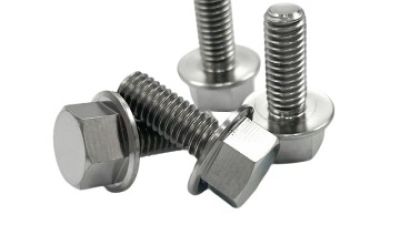
In today's high-performance automotive and industrial sectors, the demand for materials that offer both strength and lightweight properties has never been greater. Grade 5 titanium flanged hex head bolts (Ti-6Al-4V) emerge as a superior choice, balancing remarkable tensile strength (≥900 MPa) with reduced weight. Their integrated flange design not only enhances clamping efficiency but also ensures stability under stress, making them perfect for application in performance vehicles and high-demand industrial machinery.
These titanium bolts provide an exceptional advantage, particularly in environments that require both durability and reliability. Whether used in motorcycles or automotive upgrades, their performance is unparalleled. Additionally, the availability of custom sizes (M5–M12) and varied finish options such as polished, anodized, and PVD coated adds versatility, catering to diverse aesthetic and functional requirements. Furthermore, with a minimum order quantity of just 100 pieces, these bolts become an accessible option for both small-scale projects and larger industrial needs. Investing in Grade 5 titanium bolts means prioritizing longevity and performance, ensuring that your machinery and vehicles run efficiently under the most demanding conditions.
FAQS
: Fasteners are typically made from steel, aluminum, or titanium. Each material has unique strengths and weaknesses.
Fasteners must perform well under extreme temperatures and chemical exposure. Poor performance can lead to failures.
Choosing the cheapest option can be tempting, but lower costs may sacrifice reliability. Quality investments offer long-term savings.
Buyers should check for ISO, GB, and ASTM certifications. These ensure fasteners meet international quality benchmarks.
Understanding testing methods can reveal the reliability of their quality assurance processes. This informs your purchase decision.
Trends include a shift toward sustainable manufacturing and increased automation, driven by international demand and technological advancements.
Strict environmental regulations are often hard to meet. Many companies must continuously improve their compliance practices.
Automation enhances precision and efficiency in production. This helps improve the overall quality while reducing waste.
Knowing material specifications like tensile strength helps prevent failures in critical applications. Ensure fasteners meet your needs.
Many manufacturers must balance quality, cost, and sustainability, which is a current challenge in the fastener market.
Conclusion
The article "Top 10 China Industrial Fasteners for Global Buyers" provides a comprehensive overview of the industrial fastener market in China, emphasizing its significance to global buyers. It highlights key factors that influence the selection of fasteners, such as material quality, durability, and cost-effectiveness. The article also identifies the main manufacturing regions in China that excel in producing various types of industrial fasteners, ensuring the availability of diverse options for international clients.
Additionally, the discussion on quality standards and certifications underscores the importance of compliance for ensuring reliable products. Emerging trends within the Chinese fastener industry are explored, reflecting innovations in manufacturing processes and sustainability practices. Lastly, the article offers practical tips for efficiently sourcing industrial fasteners from China, aimed at helping global buyers navigate this vibrant market.