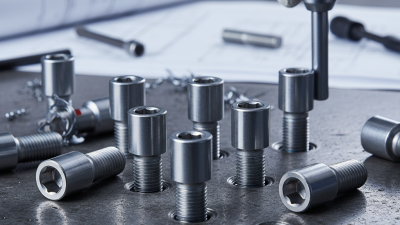
When you're diving into high-performance engineering, you can't overlook the **Titanium Conical Head Bolt**—it's honestly a game-changer in fastening solutions. These bolts are pretty amazing because they offer an incredible strength-to-weight ratio, which is a huge plus when every little gram matters. You see this often in industries like automotive and aerospace, where reliability is everything. The cool thing about their conical head design is it provides a super secure grip, giving extra stability especially when things get intense or under extreme conditions.
But here's the thing—these bolts aren’t just about being lightweight. They’re also resistant to corrosion, so they stand up well even in tough, harsh environments. That means they last longer and keep performing reliably, which is a big deal. That’s why many skilled engineers recommend them for critical parts that need top-notch performance. Still, it’s worth mentioning that not every application automatically calls for these bolts; using them where they’re not needed can be a bit of a waste, and might even lead to less-than-ideal results. It’s really about making sure you’re choosing the right tool for the job.
Getting your hands on **Titanium Conical Head Bolts** can really boost your project, but it’s important to understand what your specific needs are first. When you have the right knowledge and a bit of expertise, you can truly unlock everything these advanced fasteners have to offer. Knowing their strengths—and their limits—helps you make smarter decisions, especially in high-stakes situations.
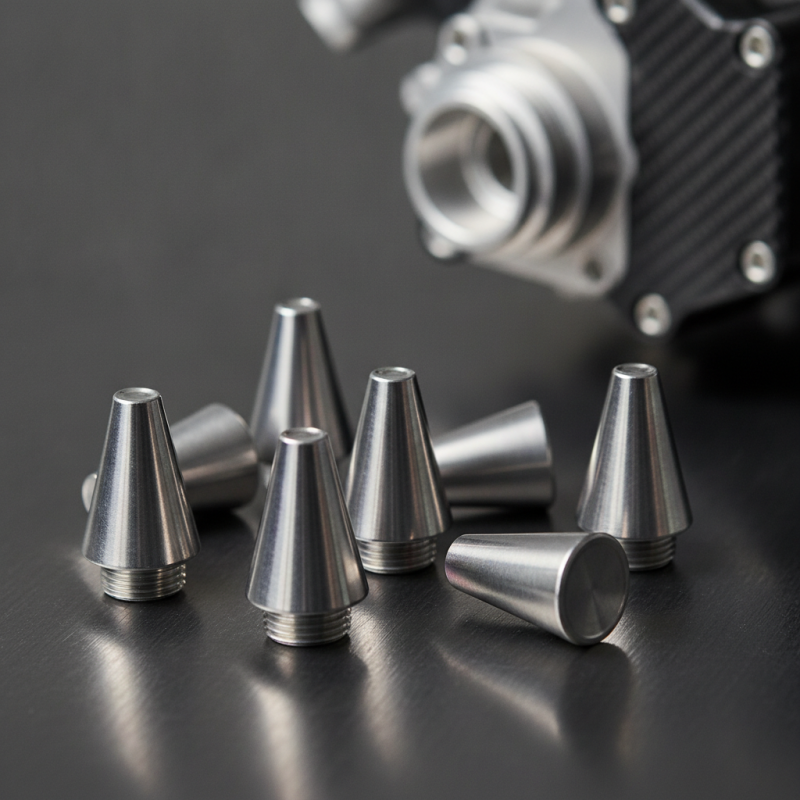
Top 10 Benefits of Using Titanium Conical Head Bolts
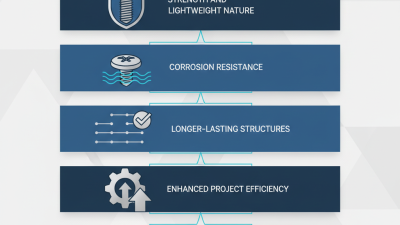
Titanium conical head bolts are gaining popularity in various industries due to their unique properties. Lightweight yet strong, they are ideal for high-performance applications. This is especially true in aerospace and automotive sectors, where reducing weight can enhance efficiency. The corrosion resistance of titanium is also a significant advantage, especially in harsh environments. This means longer lasting components and less maintenance.
Another benefit is the easy installation of conical head bolts. Their design facilitates a snug fit, which can help prevent loosening over time. This provides peace of mind for engineers and designers. However, while titanium bolts perform exceptionally well, they can be priced higher than traditional materials. Some users may find this cost factor a barrier, especially for large-scale projects.
To maximize the benefits of titanium conical head bolts, proper training for installation is essential. Misinstallation can lead to failures, negating their advantages. Attention to detail during assembly is crucial. While there are clear benefits, understanding the limitations and potential challenges is equally important. Engineers should weigh all aspects when considering titanium bolts for their projects.
Enhanced Strength-to-Weight Ratio of Titanium Bolts in Engineering Applications
Titanium conical head bolts are becoming increasingly popular in engineering due to their enhanced strength-to-weight ratio. A Ti-6al-4v Conical Head Titanium Bolt exemplifies this advantage perfectly. Weighing significantly less than traditional steel options, they provide critical weight savings in applications where every gram counts. This feature is particularly beneficial in aerospace and automotive sectors, where performance and efficiency are paramount.
When selecting titanium bolts, consider their operating environment. High corrosion resistance is another advantage of titanium. However, the cost can be a barrier for some projects. It's essential to balance budget constraints with the performance advantages they bring. Sometimes, a lesser-known bolt might perform adequately in specific cases without the premium price tag.
Tips: Test the application before full-scale use. Understanding the torque specifications is crucial. Always refer to engineering guidelines to avoid potential failures. Bolt quality matters. Don't compromise on reliability for the sake of cost. The positive impact of a Ti-6al-4v conical head titanium bolt in the right application is compelling, but improper choices can lead to unexpected challenges. Ensure to document any issues you encounter for better future decisions.
Top 10 Benefits of Using Titanium Conical Head Bolts
Corrosion Resistance of Titanium: A Key Advantage in Harsh Environments
Titanium conical head bolts are gaining popularity in various industries, especially where harsh environments are common. The corrosion resistance of titanium is a significant advantage. Unlike steel, titanium does not rust, making it ideal for marine and chemical applications. According to a report by the Corrosion Technology Association, titanium exhibits excellent resistance to localized corrosion, such as pitting and crevice corrosion, even in chlorine-rich environments.
This resistance leads to reduced maintenance costs and extended service life for components. In fact, titanium can last up to twice as long as stainless steel in corrosive conditions. As industries strive for sustainability, these longer-lasting materials can greatly minimize waste. When using Titanium Conical Head Screws, always consider the specific environment and load conditions to maximize their benefits.
Tip: Evaluate the environmental factors before selecting materials. Choose titanium for environments where traditional metals may fail. While titanium is more expensive upfront, its longevity can lead to overall savings.
Another aspect to acknowledge is the limitations of titanium. While its strength-to-weight ratio is impressive, machining can be more challenging compared to softer metals. Industry professionals report that proper tooling and techniques are crucial for effectiveness. Missteps in processing titanium can lead to increased production time and costs. Balancing the benefits with the necessary expertise is essential in leveraging titanium conical head bolts effectively.
Top 10 Benefits of Using Titanium Conical Head Bolts
| Benefit |
Description |
| Corrosion Resistance |
Titanium's natural resistance to oxidation and corrosion makes it ideal for use in harsh environments. |
| High Strength-to-Weight Ratio |
Titanium offers superior strength while being lightweight, making it perfect for applications where weight is a concern. |
| Durability |
Titanium bolts are highly durable, ensuring long-term performance and lower replacement costs. |
| Temperature Resistance |
Suitable for high-temperature environments without compromising strength. |
| Biocompatibility |
Safe for use in medical applications due to its non-toxic nature. |
| Low Thermal Expansion |
Minimal expansion with temperature changes, maintaining joint integrity. |
| Non-Magnetic Properties |
Titanium does not lose its strength when exposed to magnetic fields, making it valuable in electronic applications. |
| Aesthetic Appeal |
Titanium can be anodized in various colors, adding aesthetic value to products. |
| Eco-Friendly |
Titanium is abundantly available and can be recycled efficiently, reducing environmental impact. |
Fatigue Resistance of Titanium Bolts: Extending Component Lifespan
Titanium bolts are prized for their exceptional fatigue resistance. In high-stress applications, like motorcycles, this characteristic greatly enhances durability. Engineers need parts that won't fail under pressure. Titanium bolts meet this demand effectively. Their lightweight nature reduces overall vehicle weight while maintaining strength.
The unique composition of titanium allows it to withstand repetitive loading cycles. This quality is crucial for components that experience constant motion, such as the Motorcycle Conical Head Screw. Traditional bolts can suffer from wear and tear, leading to premature failure. A substitution with titanium extends the lifespan of critical parts immensely. This leads to fewer replacements and lower maintenance costs.
Choosing titanium bolts is a strategic decision for many applications. Understanding the advantages requires thorough evaluation. Not all environments may be suitable for titanium use. It's important to assess operating conditions carefully. Balancing weight, strength, and fatigue resistance is key in engineering. Refining these choices can lead to significantly enhanced performance and reliability.
Thermal Stability of Titanium: Performance Under Extreme Temperatures
Titanium has gained recognition for its exceptional thermal stability, particularly under extreme temperatures. When used in applications like a
Motorbike Frame Conical Bolt, it demonstrates impressive performance. Unlike traditional materials, titanium maintains its integrity in both high heat and freezing conditions. This makes it ideal for components that experience significant temperature fluctuations.
Under high temperatures, titanium alloys exhibit minimal deformation. This is crucial for the durability of mechanical parts that endure intense operational stresses. In contrast, alternatives may soften or warp, compromising their functionality. While titanium's elevation in heat resistance is well-known, its behavior under cold conditions is just as remarkable. It retains its toughness, ensuring reliability even in icy environments.
However, it's essential to note that titanium can be challenging to machine. This can lead to higher production costs and increased waste. Striking a balance between performance and manufacturability is crucial. The investment in titanium’s superior qualities often pays off in the long run, especially for critical applications such as the motorbike frame conical bolt. Effectively harnessing its potential may require additional expertise and resources.
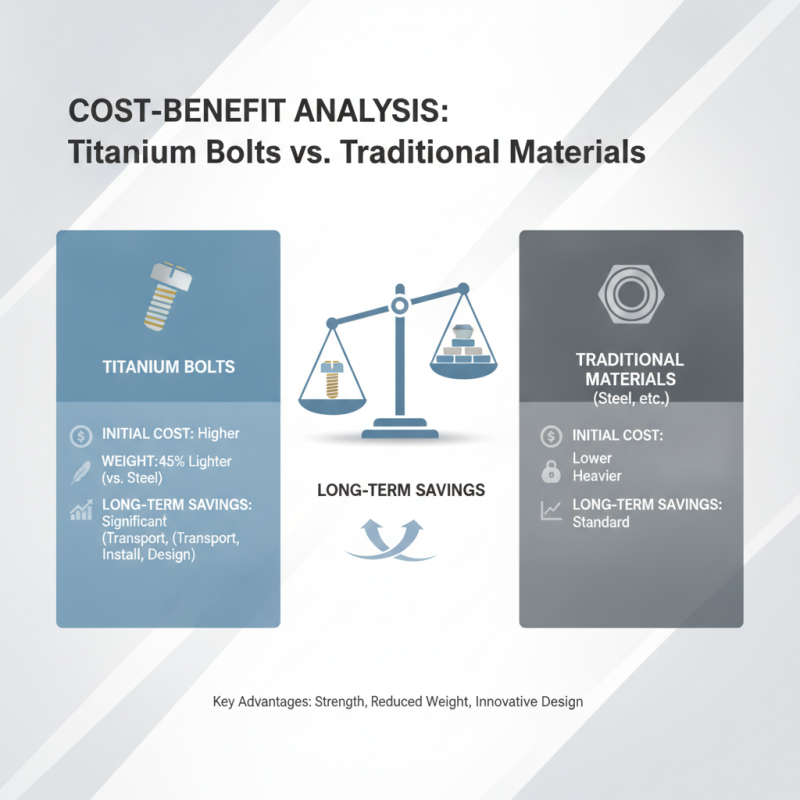
Cost-Benefit Analysis of Titanium Bolts vs. Traditional Materials
When evaluating titanium bolts versus traditional materials, the cost-benefit analysis often highlights several key factors. Titanium bolts, while initially more expensive, boast a unique combination of strength and weight that offers long-term savings. According to industry reports, titanium is 45% lighter than steel, significantly reducing transportation and installation costs. This advantage allows for more innovative designs, as less weight can lead to broader application possibilities.
The durability of titanium bolts cannot be overlooked. They are resistant to corrosion and fatigue, with a lifespan that can exceed that of steel by up to three times. A recent study indicated that while the upfront cost of titanium might be two to three times that of traditional materials, the reduction in maintenance and replacement costs can provide a return on investment within a few years. However, the initial cost can be a barrier for some companies, prompting a need for careful consideration and planning.
Furthermore, the environmental impact is a growing concern. Titanium’s extended durability leads to less waste and fewer resources required for replacements. Nevertheless, the extraction and processing of titanium itself are energy-intensive. This aspect raises questions about sustainability. Using titanium bolts can be viewed as a step toward stronger, lighter structures, but the environmental cost cannot be ignored, urging industries to reflect on their material choices.
Industry Use Cases: Aerospace and Automotive Applications of Titanium Bolts
Titanium bolts are gaining popularity in the aerospace and automotive industries. Their unique strength-to-weight ratio offers significant advantages. For aerospace applications, these bolts withstand extreme temperatures and pressures. They are crucial in aircraft structures and engine mounts. Without reliable fasteners, safety is compromised.
In automotive engineering, titanium bolts deliver enhanced performance. They reduce vehicle weight, improving fuel efficiency. High-performance racing cars utilize them for critical components. The need for durability in fierce conditions makes titanium bolts essential. Yet, their higher cost poses challenges for broader use.
The precision in manufacturing titanium bolts influences their effectiveness. Not every bolt meets the necessary standards. Engineers must meticulously select the right bolts for specific applications. This decision impacts overall vehicle performance and safety. Failure to do so can lead to serious repercussions. Balancing cost and quality remains a recurring dilemma in these industries.
Sustainability Factors: The Ecological Benefits of Using Titanium Fasteners
The ecological benefits of using titanium fasteners are significant. Titanium is lightweight yet strong, which reduces energy consumption in transportation and manufacturing. This durability leads to longer-lasting products, minimizing waste over time.
Moreover, titanium is highly resistant to corrosion. This property means that structures using titanium fasteners require less maintenance and fewer replacements. Less frequent repairs result in lower resource use.
However, titanium extraction can be energy-intensive. The impact on local ecosystems must be considered. Balancing environmentally friendly practices with material sourcing is crucial. Decisions should reflect a commitment to sustainability while acknowledging potential challenges.
Maximize Performance and Style: The Benefits of Using Titanium Exhaust Tubes for Custom Motorcycle Mid-Pipes
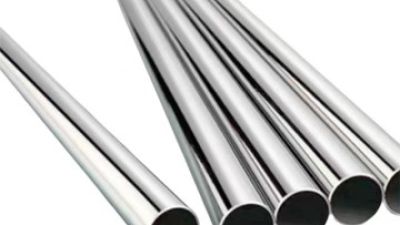
When it comes to enhancing the performance and visual appeal of custom motorcycles, titanium exhaust tubes are an outstanding choice for mid-pipes. Their lightweight nature significantly reduces the overall weight of the motorcycle, allowing for improved acceleration and handling. The high strength-to-weight ratio of industrial pure titanium (ASTM Grade 2) ensures that these tubes can withstand the rigors of motorcycle performance without compromising durability. Additionally, the corrosion resistance of titanium offers long-lasting functionality, making it an ideal material for exhaust systems that must endure harsh environmental conditions.
The versatility of titanium exhaust tubes allows for seamless manufacturing, enabling easy fabrication of mid-pipes, connector tubes, and brackets. With a standard outer diameter of 6 mm or 10 mm and a wall thickness of 1 mm, these tubes offer a robust solution for a wide range of motorcycle builds. The natural silver finish, which can be polished for added style, complements both standard and custom-length applications. Whether you’re an enthusiast looking to enhance your ride or a craftsman aiming for precision, using titanium tubes in your motorcycle exhaust fabrication elevates both performance and aesthetic appeal, ensuring that your machine stands out on the road.
FAQS
: Titanium bolts have an enhanced strength-to-weight ratio. They weigh less than traditional steel bolts while maintaining a high strength.
Their lightweight nature improves performance and efficiency, especially in aerospace and automotive applications where weight is critical.
The operating environment plays a crucial role. Titanium offers high corrosion resistance but may not suit every situation.
Cost can be a barrier. It's important to balance the budget with the performance advantages they provide.
Titanium bolts significantly enhance durability. They withstand repetitive loading, extending the lifespan of critical parts.
Poor selections can lead to unexpected challenges. It's crucial to document issues for better future decision-making.
Titanium reduces energy consumption and minimizes waste due to its durability and corrosion resistance.
Yes, titanium extraction can be energy-intensive and may impact local ecosystems, requiring careful consideration.
Proper torque specifications help avoid potential failures. Understanding these guidelines is essential for reliable connections.
Yes, testing applications helps identify potential issues early, ensuring better performance in actual use.
Conclusion
The use of Titanium Conical Head Bolts offers numerous advantages that make them highly desirable in various engineering applications. One notable benefit is their enhanced strength-to-weight ratio, allowing for lightweight constructions without compromising on durability. Additionally, titanium's remarkable corrosion resistance is essential for maintaining integrity in harsh environments, while its fatigue resistance significantly extends the lifespan of components, reducing maintenance costs over time.
Moreover, Titanium Conical Head Bolts exhibit excellent thermal stability, ensuring reliable performance even under extreme temperatures. A cost-benefit analysis reveals that, despite a higher initial investment, titanium bolts prove to be more economical in the long run when compared to traditional materials. Industries such as aerospace and automotive have successfully integrated these fasteners, highlighting their importance in modern engineering. Moreover, selecting titanium fasteners contributes to sustainability efforts, as titanium is an ecologically friendly option. Overall, the innovative features of Titanium Conical Head Bolts make them a valuable choice for advancing engineering solutions.