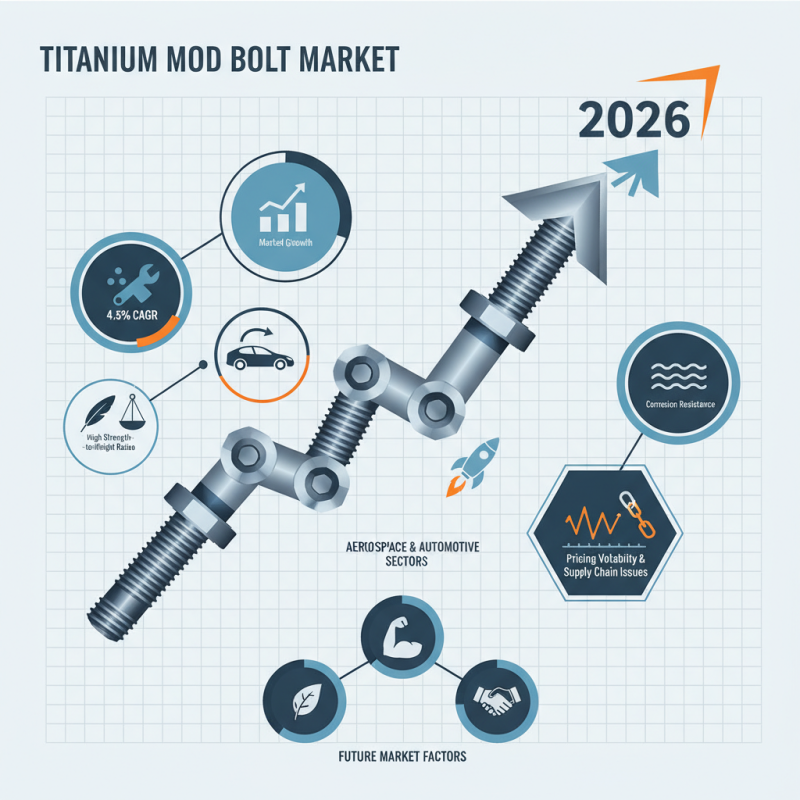
Lately, the global demand for Titanium Mod Bolt has really taken off. If you look at the reports from ResearchAndMarkets.com, the titanium market as a whole is expected to grow at around 4.5% annually, hitting about $7 billion by 2026. That’s pretty significant, and it definitely shows just how important Titanium Mod Bolts are across different industries—think aerospace, automotive, and more.
With manufacturers pushing for lighter, yet stronger materials, Titanium Mod Bolts are gaining more attention because they have a fantastic strength-to-weight ratio and are pretty resistant to corrosion. Companies like Haynes International and ATI Allegheny Ludlum are constantly improving their tech to make these parts better and more cost-effective. But, of course, there are some bumps in the road—like the crazy swings in titanium prices and supply chain hiccups—that can make things a bit tricky.
For industry leaders, staying on top of market trends and tweaking strategies accordingly is a must. It’s all about finding that sweet spot—innovating without breaking the bank helps companies stay competitive. Even with a promising outlook, it’s super important for buyers around the world to think carefully about how they source their Titanium Mod Bolts. Sustainability, material quality, and trustworthy suppliers are going to be big factors shaping where this market heads in the future.
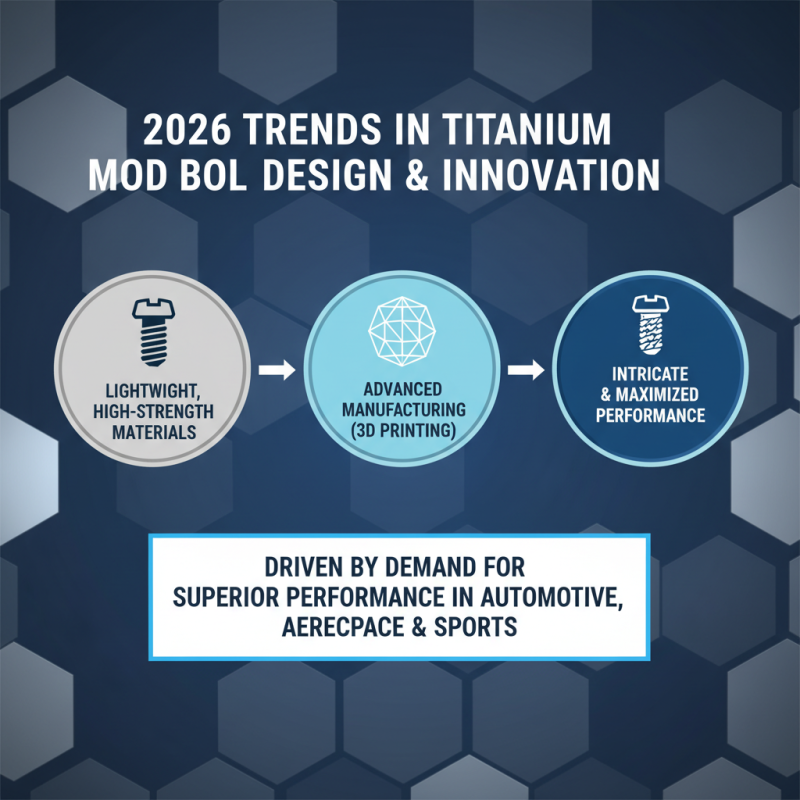
The titanium mod bolt industry is witnessing significant design innovations as we move toward 2026. According to industry reports, the demand for lightweight, high-strength materials is driving trends in bolt design. Innovations focus on incorporating advanced manufacturing techniques, such as 3D printing, which allows for intricate designs that maximize performance while minimizing weight.
Studies indicate that the titanium mod bolt market is set to grow at a compound annual growth rate (CAGR) of over 7% in the coming years. This growth is fueled by the increased use of titanium in various applications. However, challenges persist, such as the high cost of titanium materials and the need for precision in production. Buyers must navigate these complexities when sourcing bolts for their applications.
**Tip:** Stay informed about emerging technologies in bolt manufacturing. Regularly review supplier capabilities. Quality assurance processes are crucial in ensuring reliability.
The evolution of design often introduces unforeseen issues, such as compatibility with existing systems. Buyers need to be cautious about integrating new designs into their applications. Always evaluate the lifecycle of materials used to avoid unexpected costs and failures.
The titanium mod bolt market is evolving rapidly. Several factors shape its dynamics. The demand for lightweight materials drives innovation in various industries. Aerospace and automotive sectors increasingly favor titanium for its strength-to-weight ratio. This shift creates new opportunities for manufacturers.
Economic conditions also play a significant role. Fluctuating raw material costs can impact pricing strategies. Global trade tensions may affect supply chains. Manufacturers must adapt to ensure competitive pricing. Sustainability is another critical aspect to consider. Eco-friendly practices in titanium mining and production are gaining attention.
Technological advancements are reshaping product offerings. New manufacturing techniques enhance performance and durability. Buyers are looking for high-quality, reliable products. Understanding the latest trends is essential for making informed purchasing decisions. While innovation is vital, adapting to market realities is equally important for long-term success.
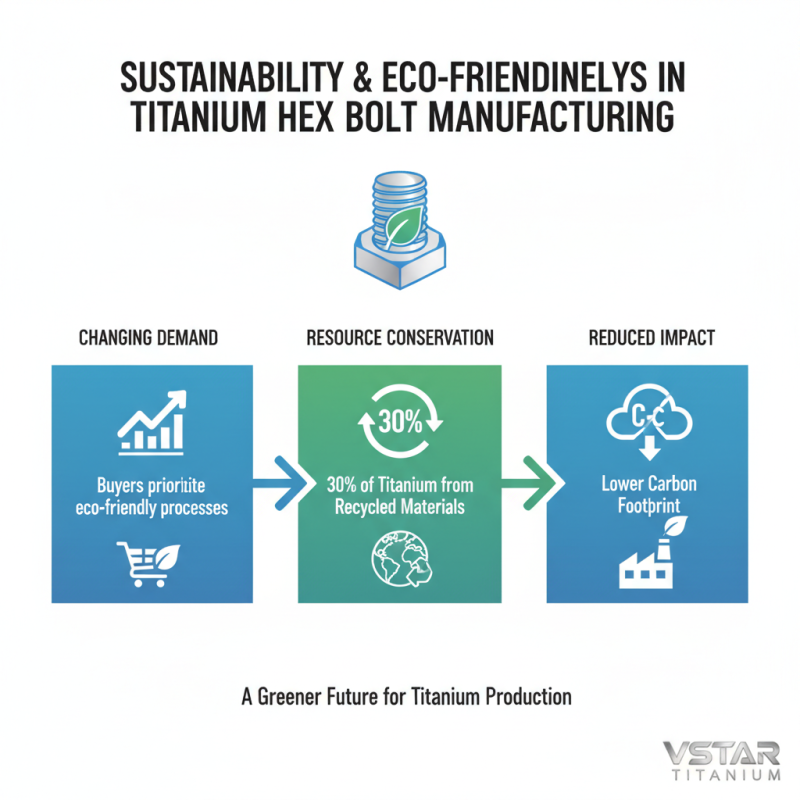
The demand for Titanium Hex Bolts is witnessing significant changes. Buyers are increasingly prioritizing sustainability and eco-friendliness in manufacturing processes. According to a report by the Global Titanium Association, approximately 30% of titanium production is now sourced from recycled materials. This shift not only supports resource conservation but also reduces the carbon footprint associated with titanium manufacturing.
Sustainable practices within the industry include the use of renewable energy in production facilities. For example, latest figures reveal that 25% of major titanium manufacturers have adopted solar or wind energy sources. These efforts reflect a growing trend toward responsible sourcing. However, challenges remain. The recycling process can be less efficient, leading to quality concerns. Ensuring that recycled titanium is of high quality is critical.
Buyers must also consider the entire supply chain. The Eco-Index from the International Titanium Association provides insights into sustainability metrics for materials, including Titanium Hex Bolts. This index helps buyers make informed decisions regarding environmental impact. Transparent supply chains are essential for fostering accountability and progress in the industry.
The landscape of titanium mod bolt production is evolving rapidly due to emerging technologies. Techniques such as 3D printing are becoming popular. This method allows for precision manufacturing and reduces waste. The customization options available are impressive. Manufacturers can create complex designs with enhanced strength and lightweight properties.
Advanced welding techniques are also making a mark. Laser welding offers a seamless finish that traditional methods cannot achieve. The process improves the structural integrity of the
Titanium Allen Bolt. However, this technology demands an investment in training and equipment. Not all companies may be able to adapt quickly, leading to a potential skill gap.
Quality control remains a challenging aspect. Even with the latest technology, ensuring uniformity can be tough. Some products might not meet the expected standards due to variability in raw materials. Industries need to reflect on the balance between innovation and quality assurance. Embracing new technologies is crucial, but it requires careful consideration of practical applications and market needs.
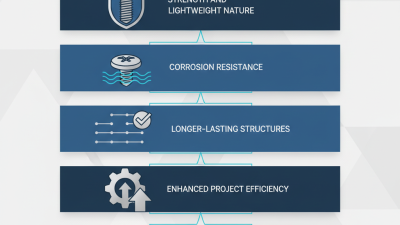
The emergence of titanium mod bolts in various industries reveals their impressive advantages over traditional fasteners. According to a recent industry report, titanium fasteners exhibit a strength-to-weight ratio 40% higher than standard steel options. This means that engineers and manufacturers can use lighter components without sacrificing structural integrity. The lightweight nature of Gr5 Titanium Hex Bolts also facilitates easier assembly and reduces transport costs for large projects.
Traditional fasteners such as steel and aluminum present challenges like corrosion and weight. Statistics show that titanium's corrosion resistance can extend the life of a product by up to 60%. This aspect is particularly critical in environments where durability is paramount. However, the initial cost of titanium remains significantly higher. It's crucial to weigh long-term savings against upfront expenses when considering material choices.
As industries evolve, the preference for advanced materials like titanium mod bolts continues to gain traction. Manufacturers must also address the complexities of titanium machining, which can present challenges. This ongoing discussion highlights the need for a thoughtful approach to fastener selection. Understanding both the benefits and limitations will be key for global buyers in 2026 and beyond.
Consumer preferences and purchasing behavior in the titanium bolt market are evolving rapidly. In 2022, the global titanium bolt market was valued at approximately USD 1.2 billion and is expected to grow at a CAGR of 6.4% through 2026. Buyers are increasingly prioritizing product quality and durability over price in their purchasing decisions.
Source materials, such as titanium grades and weight, significantly influence consumer choices.
Sustainability is becoming a key factor. More buyers prefer suppliers who employ eco-friendly practices in production. A recent report showed that 72% of consumers consider environmental impact before purchasing. Additionally, online purchasing is rising. Data indicates that over 55% of buyers utilize e-commerce platforms for titanium bolts, enhancing convenience and simplifying access to crucial specifications.
However, concerns still persist. Some buyers report difficulties in verifying the quality of online products without physical inspection. Miscommunication regarding product specifications can lead to dissatisfaction post-purchase. The challenge remains to balance convenience with comprehensive information to reassure cautious buyers. Through awareness and education, sellers can help navigate these complexities in a competitive market.
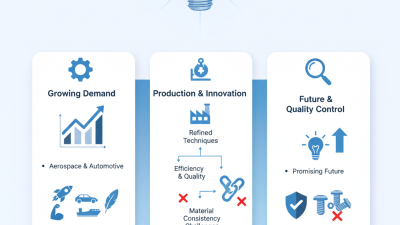
As we look toward 2026, the demand for titanium mod bolts continues to show significant growth. Industry reports predict a compound annual growth rate (CAGR) of 6% in the titanium fasteners sector over the next few years. The rising preference for lightweight and durable materials, like Titanium Hex Head Bolts, is a driving factor. Buyers are increasingly turning to titanium for various applications, from aerospace to automotive.
Supply chains for titanium mod bolts face challenges. The extraction and processing of titanium are complex, leading to supply discrepancies. Moreover, geographical restrictions on raw titanium sources further complicate sourcing. According to a recent study, nearly 35% of manufacturers report difficulties in materials procurement. This hesitance can lead to delays and increased costs, affecting the market dynamics.
To address these challenges, companies are investing in alternative manufacturing methods. Additive manufacturing is gaining traction, allowing for more precise production and potentially reducing waste. However, it requires specialized knowledge and capabilities, which are sometimes lacking. As the market evolves, buyers must stay informed about emerging trends and technological advancements.
| Year | Global Demand (tons) | Supply Chain Regions | Average Price (USD/kg) | Growth Rate (%) |
|---|---|---|---|---|
| 2023 | 15,000 | Asia, North America, Europe | 45 | 5.0 |
| 2024 | 16,500 | Asia, North America, Europe | 46 | 10.0 |
| 2025 | 18,000 | Asia, North America, Europe | 48 | 9.0 |
| 2026 | 20,000 | Asia, North America, Europe, Africa | 50 | 11.0 |
: Emerging technologies like 3D printing and advanced welding are driving innovation in this field.
3D printing allows for precision manufacturing and reduces waste while enabling complex, customized designs.
Advanced welding techniques, like laser welding, require significant investment in training and equipment.
Maintaining quality control is crucial; variability in raw materials can lead to non-uniform products.
Buyers prioritize product quality, durability, and sustainable practices when choosing titanium bolts.
A significant number of consumers prefer eco-friendly production methods when selecting suppliers.
More buyers are using e-commerce platforms, with over 55% opting for online purchases.
Some buyers struggle to verify product quality and specifications without physical inspection.
Sellers can improve awareness and education to navigate complexities and reassure buyers.
The market is expected to grow at a CAGR of 6.4% through 2026, influenced by changing preferences.
The article titled "2026 Top Titanium Mod Bolt Trends for Global Buyers" explores the future landscape of Titanium Mod Bolt design and innovation. It highlights key factors shaping the market dynamics, such as advancements in manufacturing technologies and the growing focus on sustainability and eco-friendliness. The comparative analysis of Titanium Mod Bolts against traditional fasteners underlines their superior performance and durability, which is influencing consumer preferences and purchasing behavior significantly.
Furthermore, the article discusses the emerging technologies in the production techniques of Titanium Mod Bolts, positioning them as a vital component in various industries. With a projection of increasing demand and evolving supply chains, the Titanium Mod Bolt market is set to witness considerable growth, driven by both innovation and changing consumer needs. This highlights a promising future for buyers looking to invest in advanced fastening solutions.