Lately, there's been a real buzz around the demand for new, innovative materials across different industries. One that’s been catching a lot of attention is the Titanium Panel. It’s pretty impressive—super durable but also lightweight, making it perfect for things like cars and airplanes. Companies like TitanTech and Innovate Materials are really pushing the envelope with some cutting-edge Titanium Panel tech these days.
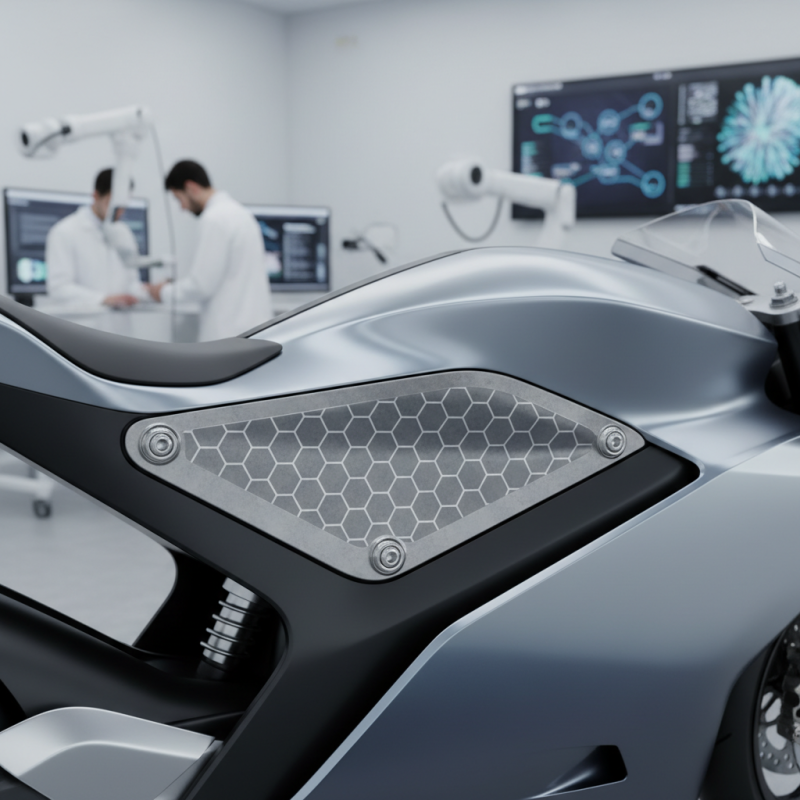
Looking at what’s been happening with Titanium Panels in 2026, it’s clear they bring some pretty solid benefits that you can’t ignore. They boost performance and cut down weight, which means better fuel efficiency—who doesn't want that? They've also started adding cool features, like the Motorbike Body Panel Titanium Bolt. That little bolt packs more strength and helps speed up assembly. But, of course, no new tech is perfect—there are still hurdles, especially when it comes to bringing down production costs.
People are also paying more attention to sustainability these days. There are some worries about what titanium extraction might do to the environment, and it’s important we have open chats about these issues. Still, the potential for Titanium Panel innovations is huge. With some careful planning and consideration, we could see all sorts of exciting new applications coming up soon.
Top Trends in Titanium Panels for 2026
The landscape of Titanium Panels is rapidly evolving. As we look toward 2026, significant trends emerge, shaping the future of structural design. The Global Titanium Industry Report suggests a projected growth rate of 5% annually. This uptick will likely drive innovations in titanium panel technology.
Sustainability remains a core focus. Manufacturers are exploring recycled titanium sources, reducing environmental impacts. A study highlighted that up to 50% of titanium in some products is now recycled. This shift can lead to reduced energy consumption during production. However, achieving consistent quality from recycled materials poses challenges.
Design flexibility is another key benefit. Recent advancements allow for intricate designs. The lightweight properties of titanium panels enable complex shapes without compromising strength. Yet, the balance between aesthetics and structural integrity isn’t always easy. Architects must navigate these hurdles to fully realize titanium’s potential. As 2026 approaches, the industry needs to address these complexities while pushing innovation forward.
Advanced Manufacturing Techniques in Titanium Panel Production
The production of titanium panels has evolved significantly with advanced manufacturing techniques. These innovations bring several benefits, particularly in customization and quality control. Techniques like additive manufacturing enable the creation of complex geometries. This method allows for lightweight yet strong structures that were previously difficult to achieve.
Titanium Prototype Panels can be produced more efficiently now. Traditional methods often result in material wastage, but modern approaches reduce scrap significantly. There’s room for improvement, though. Some manufacturers struggle to adapt to new technologies. They may face challenges in training their workforce or integrating new systems. This hesitation can slow down advantages gained from advanced methods.
Another notable technique is the use of computer numerical control (CNC) machining. This boosts precision and repeatability in panel production. However, this requires careful calibration and maintenance. Flaws in setup can lead to variations in product quality. Continuous evaluation and adaptation are necessary for companies to realize the full potential of titanium prototype panels.
Key Benefits of Using Titanium Panels in Modern Architecture
Titanium panels are gaining popularity in modern architecture. Their lightweight nature makes them easy to install. This reduces labor costs and time. Architects appreciate their durability and resistance to corrosion. These panels can withstand harsh weather conditions and maintain their aesthetic appeal for years.
The design flexibility of titanium panels is remarkable. They can be formed into various shapes and finishes. This versatility allows for creative architectural expressions. However, there are challenges in sourcing and working with titanium. Not all fabricators are experienced with this material, and some may encounter issues during installation.
Another benefit is the sustainability aspect. Titanium is recyclable, reducing waste in construction. It can serve as a long-term investment due to its lifespan. However, high initial costs can deter some projects. It’s essential to weigh these factors carefully. Balancing cost and long-term benefits is vital for informed decision-making.
Comparative Analysis: Titanium vs. Traditional Building Materials
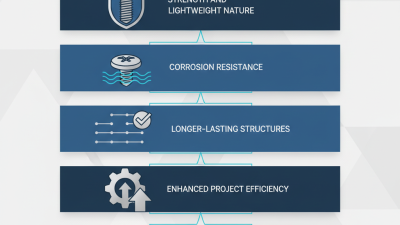
When comparing titanium to traditional building materials, it becomes clear that each has its unique attributes. Titanium is known for its strength and lightweight nature. These characteristics lead to increased durability in construction. Traditional materials like wood or steel can rot or corrode over time, causing structural issues. Additionally, the maintenance costs for these materials tend to rise. For instance, a titanium motorcycle body panel provides not only visual appeal but also long-lasting performance.
However, it's worth noting that titanium can be more expensive upfront. This higher initial investment can deter some builders. Yet, the long-term benefits often outweigh the costs. The longevity and reduced maintenance requirements mean savings in the long run. It's important to reflect on whether short-term savings are truly worth the potential future expenses associated with traditional materials. In various applications, titanium panels show significant advantages, but one must consider the project's specific needs and budget constraints. It’s a balancing act that requires careful thought.
2026 Top Titanium Panel Innovations and Key Benefits
Innovative Applications of Titanium Panels in Various Industries
Titanium panels are gaining traction across various industries due to their unique properties. These panels are not just lightweight; they are also incredibly strong. The Lightweight Structural Titanium Panel is making waves in the aerospace and automotive sectors. Designers appreciate how these panels contribute to weight reduction, improving fuel efficiency. However, the cost of titanium remains a challenge for many manufacturers.
In construction, titanium panels are becoming popular for their corrosion resistance. They can withstand harsh environments, especially in coastal areas. Architects use these panels for both aesthetic appeal and functional integrity. Innovative applications include cladding for modern buildings. Still, installation challenges arise due to their specific handling requirements.
In the energy sector, titanium panels are used in offshore structures. Their durability helps combat harsh marine conditions. Companies face hurdles in sourcing titanium, which can hinder project timelines. The balance between innovation and practicality is a constant theme. While the benefits are clear, the journey towards wider adoption requires thoughtful reflection.
2026 Top Titanium Panel Innovations and Key Benefits
| Industry |
Innovation |
Benefits |
Applications |
| Aerospace |
Lightweight structural panels |
Increased fuel efficiency, reduced weight |
Aircraft fuselage components |
| Automotive |
Corrosion-resistant titanium coatings |
Enhanced durability, lower maintenance costs |
Car body panels |
| Construction |
Titanium alloy facade systems |
Aesthetic appeal, weather resistance |
Commercial buildings, residential projects |
| Medical |
Bio-compatible titanium implants |
Improved healing, reduced rejection rates |
Orthopedic and dental applications |
| Electronics |
Titanium casings for devices |
Enhanced protection, lightweight design |
Smartphones, laptops |
Sustainability Features of Titanium Panels for Eco-Friendly Design
Titanium panels are gaining attention for their sustainability features. They are lightweight yet durable, offering a long lifespan. This durability means fewer replacements, ultimately reducing waste. Additionally, titanium is highly resistant to corrosion, making it ideal for various environments. Its longevity can mitigate the need for frequent maintenance, which can harm the environment.
Another benefit of titanium panels is their energy efficiency. They reflect solar heat, reducing air conditioning use in buildings. This may lower energy bills and overall carbon footprint. However, the production of titanium can be resource-intensive, raising questions about environmental impact. Striking a balance between extraction and sustainability requires ongoing reflection and improvement.
Using titanium in eco-friendly design also promotes innovative architectural solutions. Its versatility allows for creative structures that blend functionality with aesthetics. However, not every design fully capitalizes on titanium's potential. There remains a need for better education on its benefits to architects and builders. Engaging with local communities can also enhance understanding and usage of titanium in sustainable architecture.
Future Outlook: The Evolution of Titanium Panel Technology
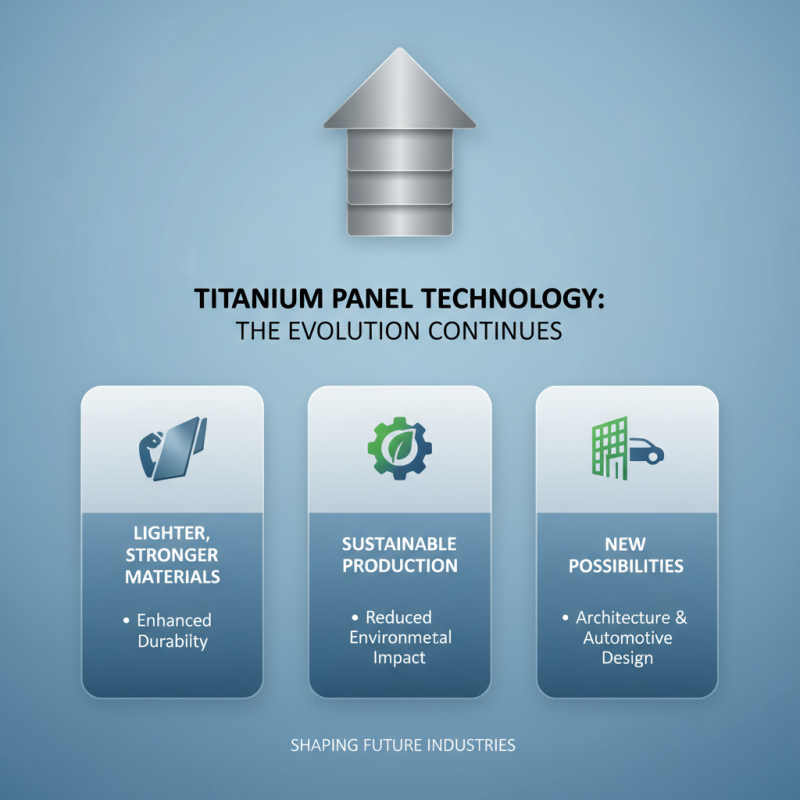
The evolution of titanium panel technology continues to shape various industries. Future advancements promise lighter, stronger materials with enhanced durability. Innovations focus on sustainable production methods, reducing environmental impact. These developments create exciting possibilities for architecture and automotive design.
Manufacturers explore new techniques for processing titanium. Methods like 3D printing may revolutionize how titanium panels are produced. Yet, challenges remain. Cost-efficiency and scalability need improvement. Designers balance between structural integrity and aesthetic appeal, often compromising in one area.
As the market grows, collaboration between researchers and manufacturers becomes vital. They must address practical concerns while fostering innovation. Collectively, these efforts could lead to groundbreaking applications. The journey of titanium panel technology is just beginning, and the road ahead is paved with potential.
Enhancing Panel and Trim Stability: The Benefits of Using Titanium Tapered Head Bolts with Washers
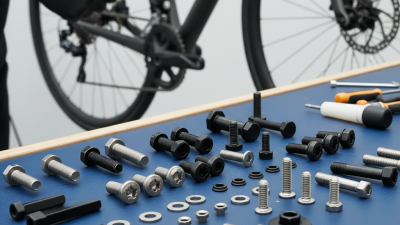
When it comes to enhancing the stability and performance of motorcycle and bicycle components, the choice of fasteners can make a substantial difference. Utilizing high-strength Grade 5 titanium tapered head bolts with washers offers significant advantages over conventional materials. The lightweight nature of titanium not only facilitates easier handling but also contributes to a more agile performance, particularly critical for racing-oriented applications. These bolts are designed to securely hold lightweight or decorative panels, ensuring that riders can achieve both aesthetic appeal and functional reliability.
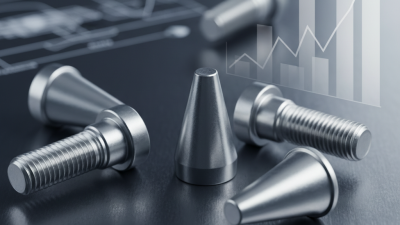
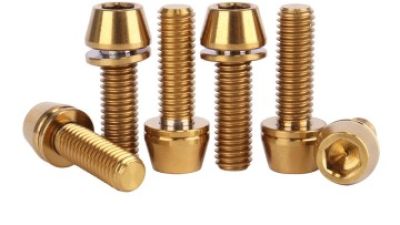
The titanium tapered head bolts come in a size range of M6 to M10 and lengths from 15 to 35 mm, making them versatile enough to suit various motorcycle and bicycle models. With a hex socket drive type, installation is straightforward and efficient. Additionally, these bolts are available in an array of finish options—silver, gold, blue, black, and rainbow titanium—allowing for a personalized touch to fit any design preference. Their durability and corrosion resistance ensure that they are a wise investment for those looking to improve both the visual and performance aspects of their vehicles.
FAQS
: Titanium panels are lightweight, durable, and resistant to corrosion. They reduce installation time and labor costs.
Titanium panels offer greater strength and durability. Traditional materials like wood or steel can rot or corrode over time.
Yes, while they have high initial costs, their longevity reduces maintenance expenses over time.
Sourcing and installation can be problematic. Not all fabricators have experience with titanium.
Yes, titanium is recyclable, which helps in reducing waste during construction projects.
Future advancements focus on creating lighter and stronger materials. Sustainable production methods are also being explored.
Techniques like 3D printing could revolutionize the manufacturing process for titanium panels.
Designers may have to balance structural integrity with aesthetic appeal, which can lead to compromises.
High upfront costs can deter builders, despite long-term advantages.
Collaboration between researchers and manufacturers is vital for addressing challenges and fostering innovation.
Conclusion
The article "2026 Top Titanium Panel Innovations and Key Benefits" explores the latest trends and advancements in titanium panels poised to shape modern architecture and various industries in 2026. It highlights advanced manufacturing techniques that enhance the durability and aesthetic appeal of titanium panels, making them a preferred choice over traditional building materials. The discussion includes a comparative analysis of the benefits of titanium panels, such as their lightweight nature, corrosion resistance, and sustainability features that align with eco-friendly design principles.
Moreover, the article delves into innovative applications of titanium panels across different sectors, emphasizing their versatility and potential for future developments in technology. As the demand for sustainable construction grows, titanium panels are positioned to lead the way in providing not only functional benefits but also an environmentally conscious option for modern designs. The future outlook suggests continued evolution in titanium panel technology, driving further adoption across various fields.